Paver Work Starts Below the Finished Surface
Paver patios, walkways, aprons, and driveway accents succeed or fail based on the base preparation. In Dutchess County, freeze-thaw movement, clay soil, shade, and drainage problems can shift poorly built paver work within a few seasons. All American Lawn & Landscape focuses on excavation depth, compacted stone base, bedding material, edge restraint, slope, and water discharge before discussing pattern and color.
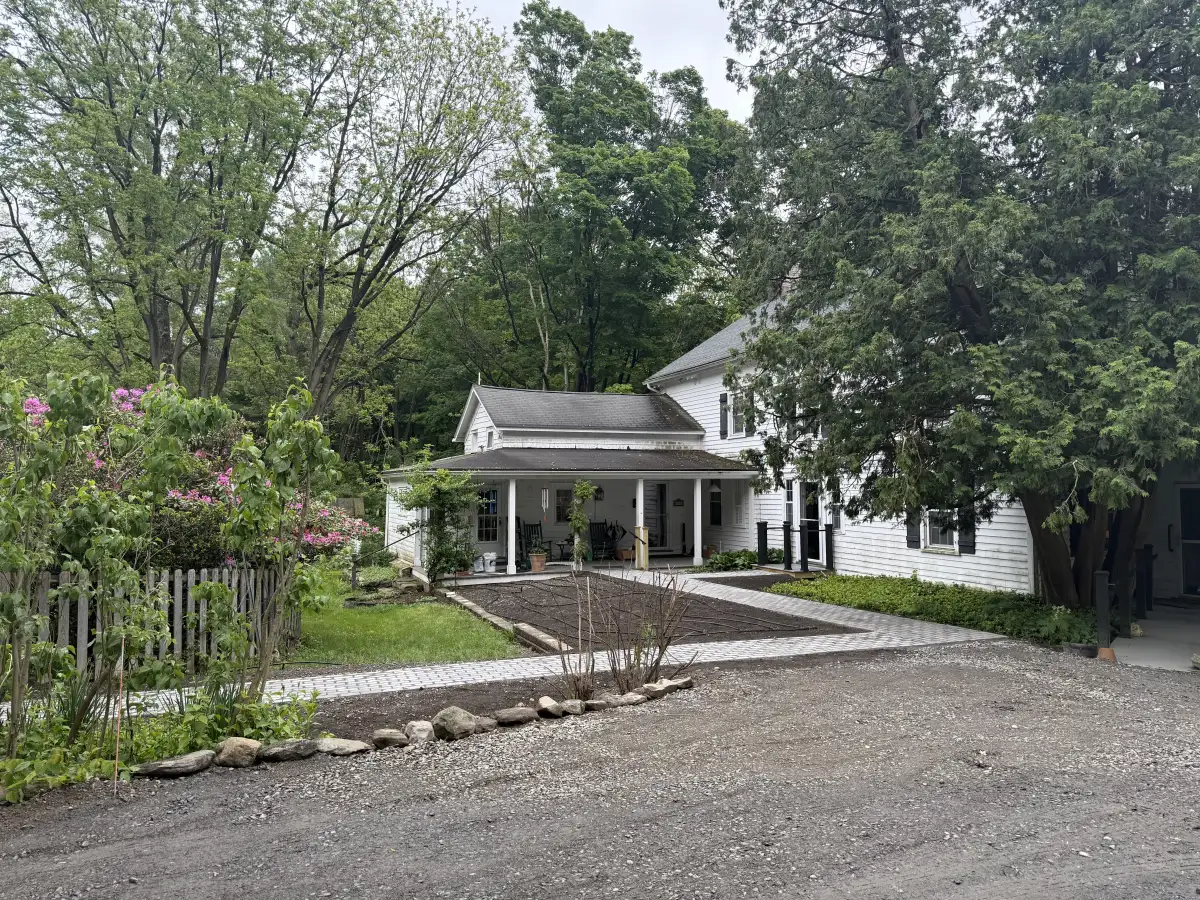
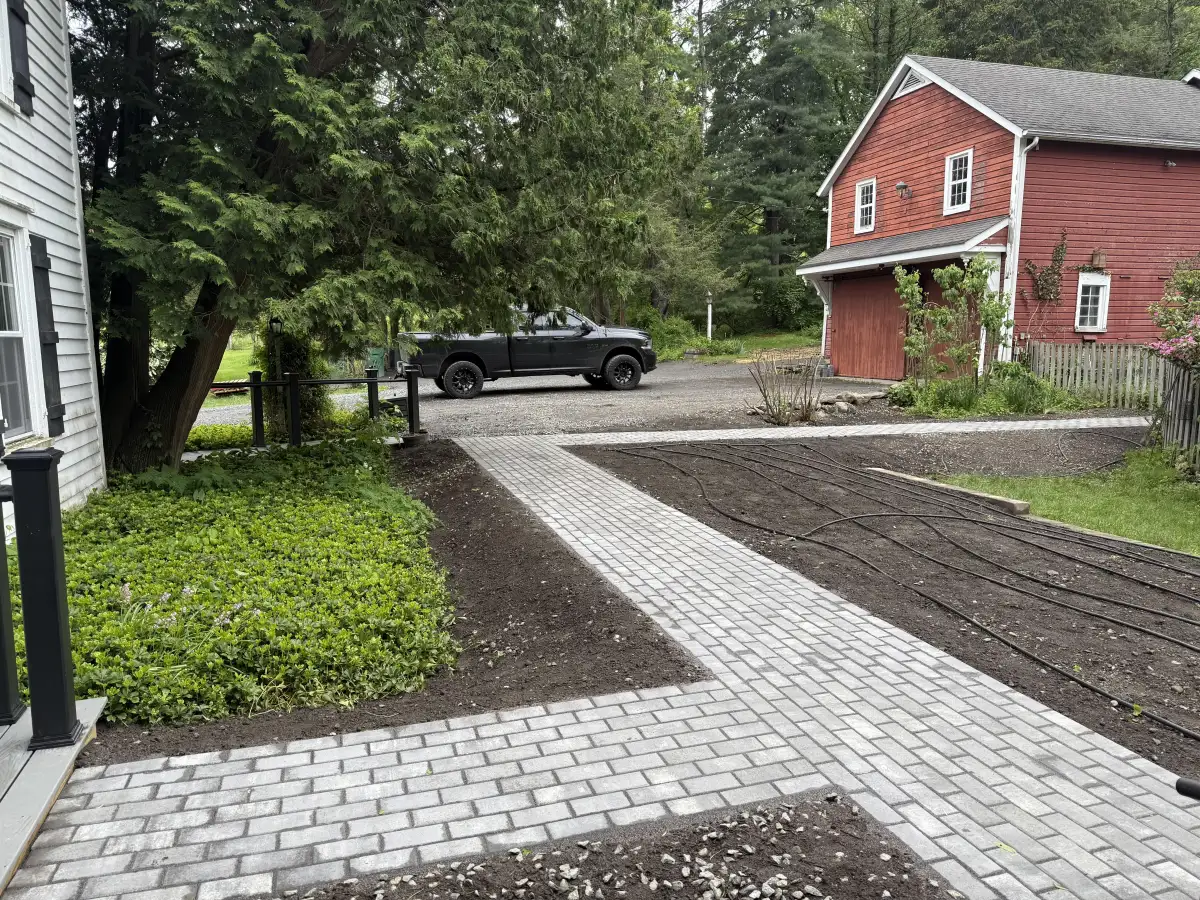
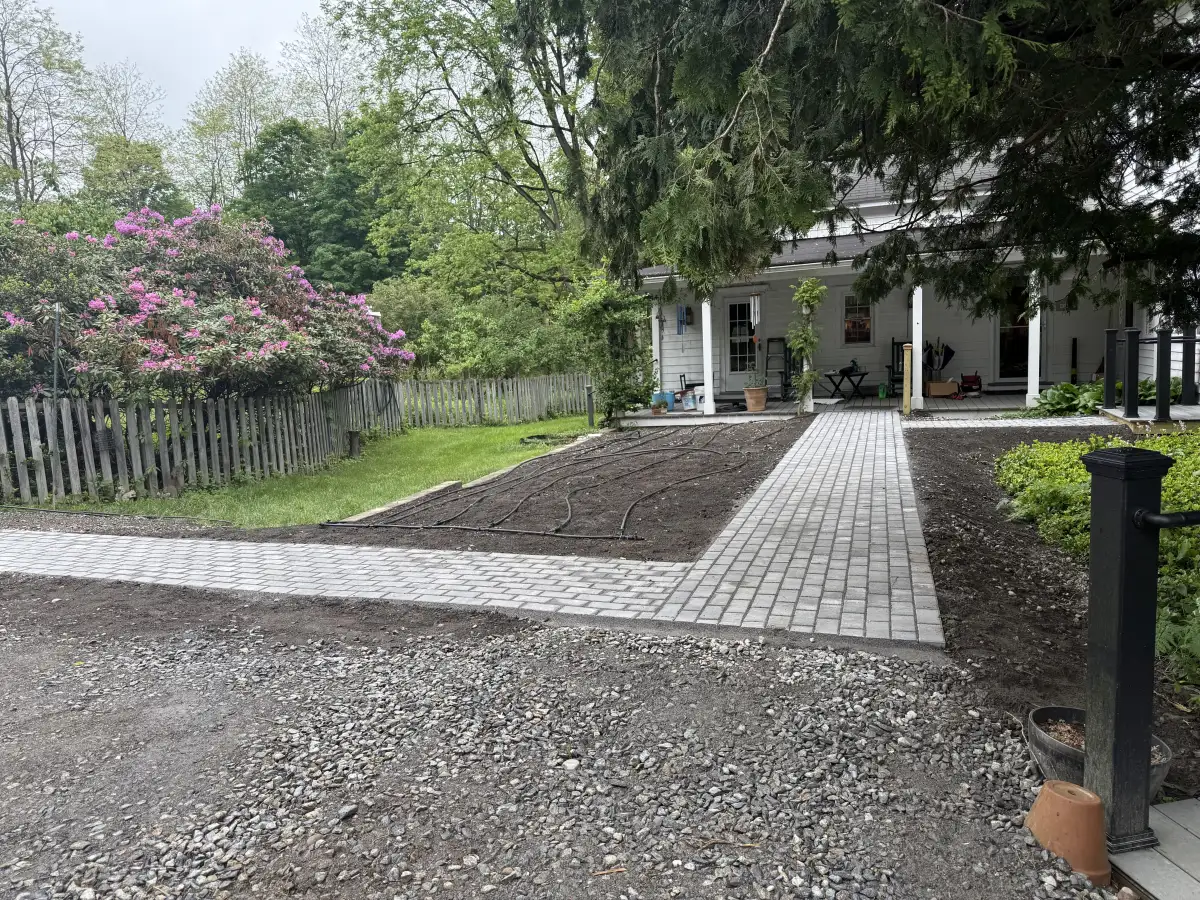
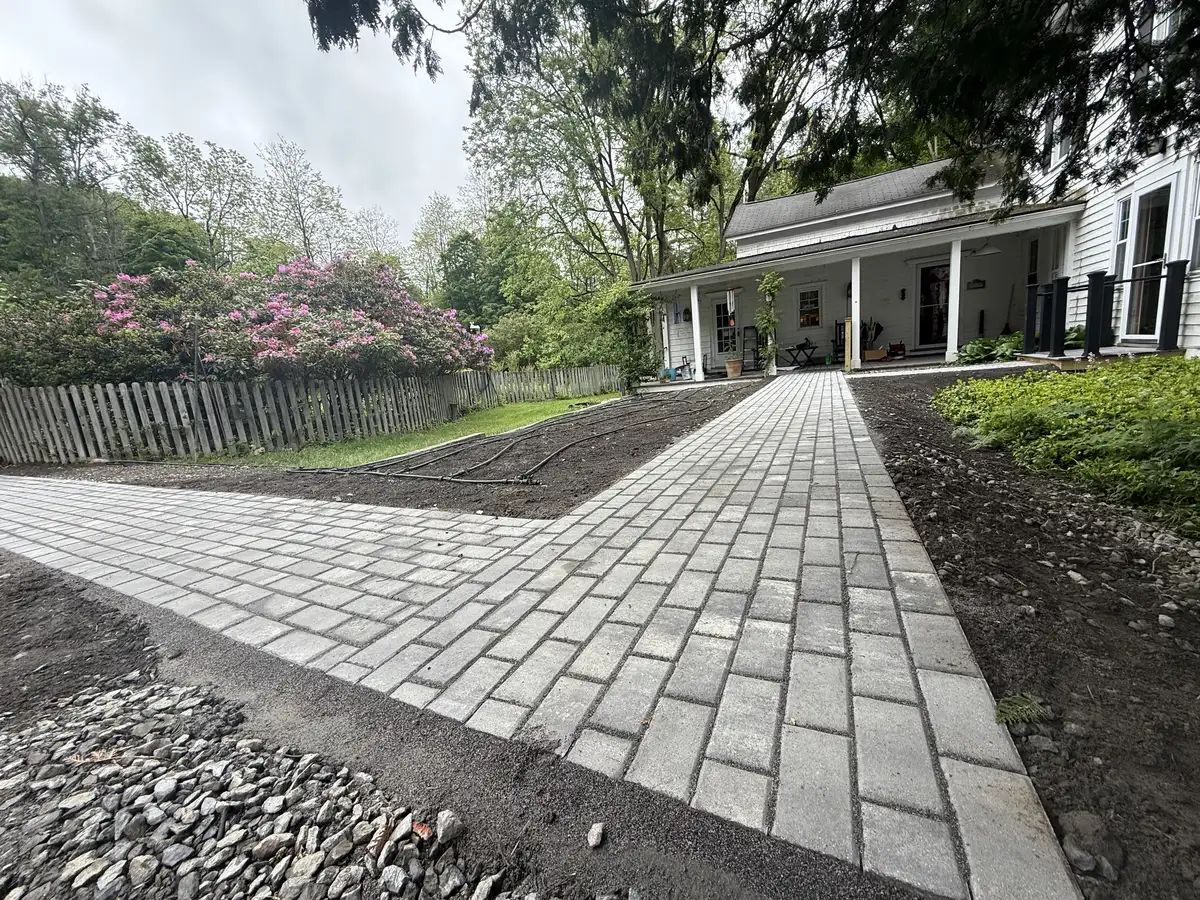
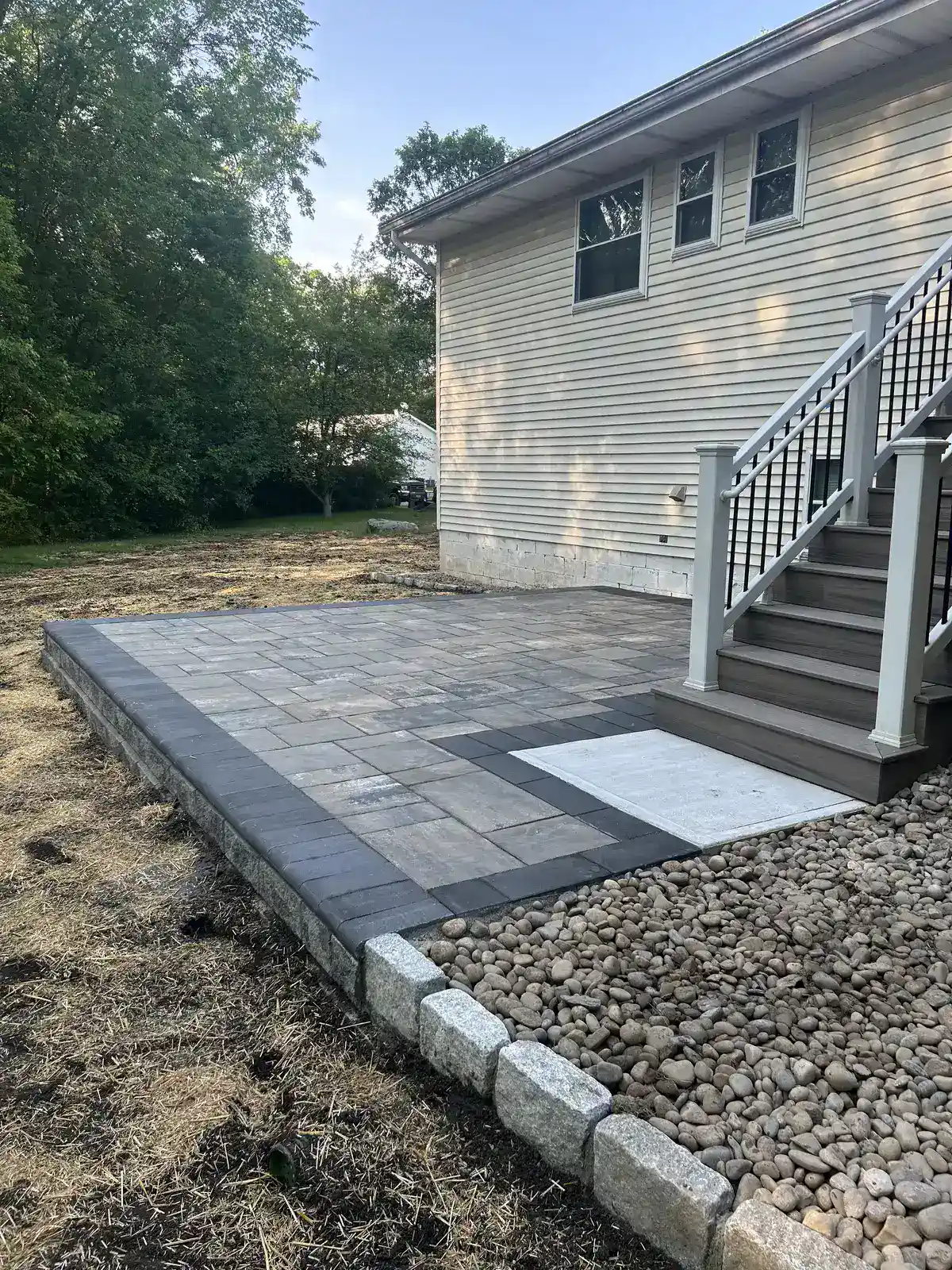
For a front walkway, the planning question is how people move from the driveway to the door and how snow removal will work. For a backyard patio, the crew reviews furniture layout, grill placement, step transitions, retaining needs, and whether roof runoff or soggy lawn areas will affect the base. For paver repairs or extensions, Evan checks whether the existing installation can be tied into or whether failed base material needs to be removed first.
The result is a paver project built around long-term use, not just a surface upgrade. Homeowners receive a written scope explaining the excavation, base, materials, drainage considerations, and expected timeline before work begins.
Paver Surfaces Built for Freeze-Thaw Movement
Interlocking concrete pavers are the most versatile and durable hardscaping material available for driveways, patios, walkways, and pool decks. Unlike poured concrete that cracks under freeze-thaw pressure, pavers flex individually -- absorbing ground movement without visible damage. When installed on a proper compacted gravel base, a paver surface lasts 25 years or more with minimal maintenance.
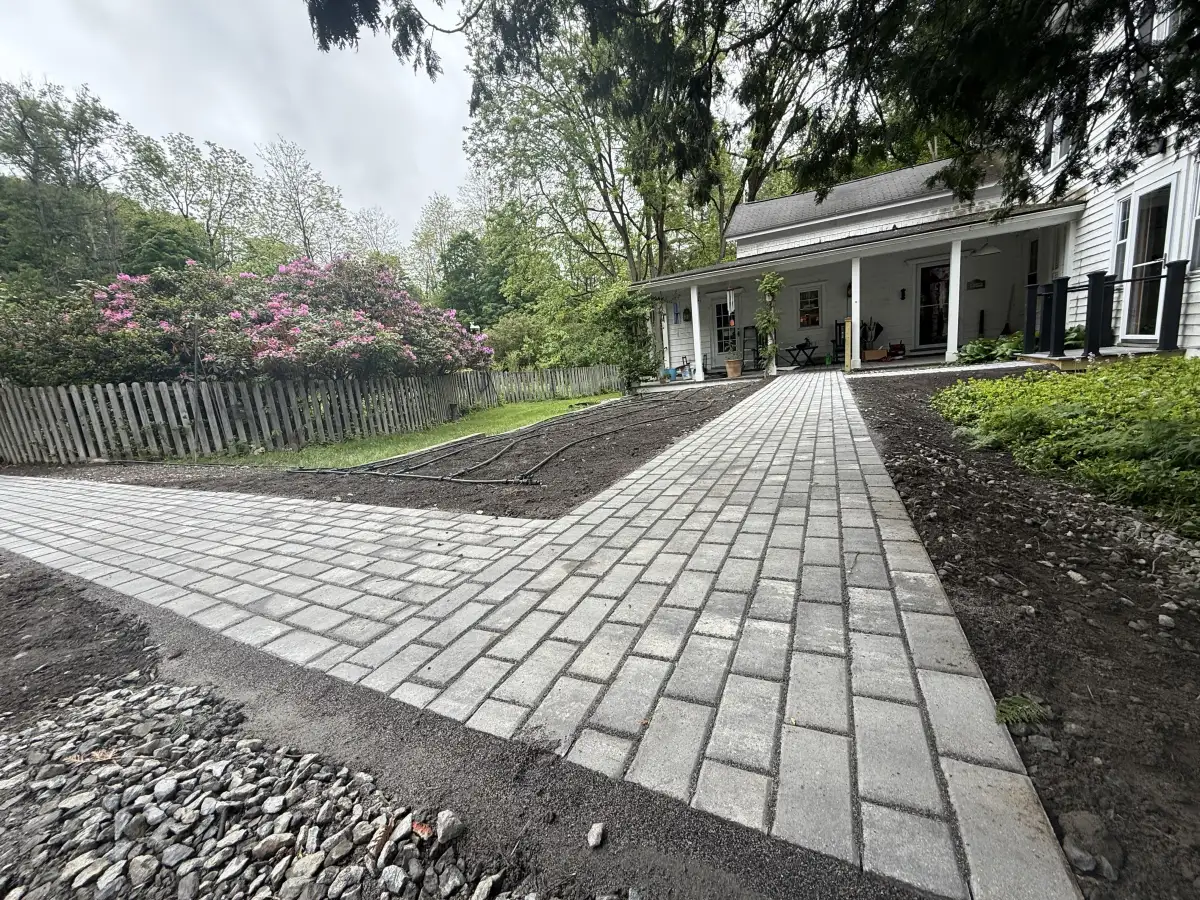
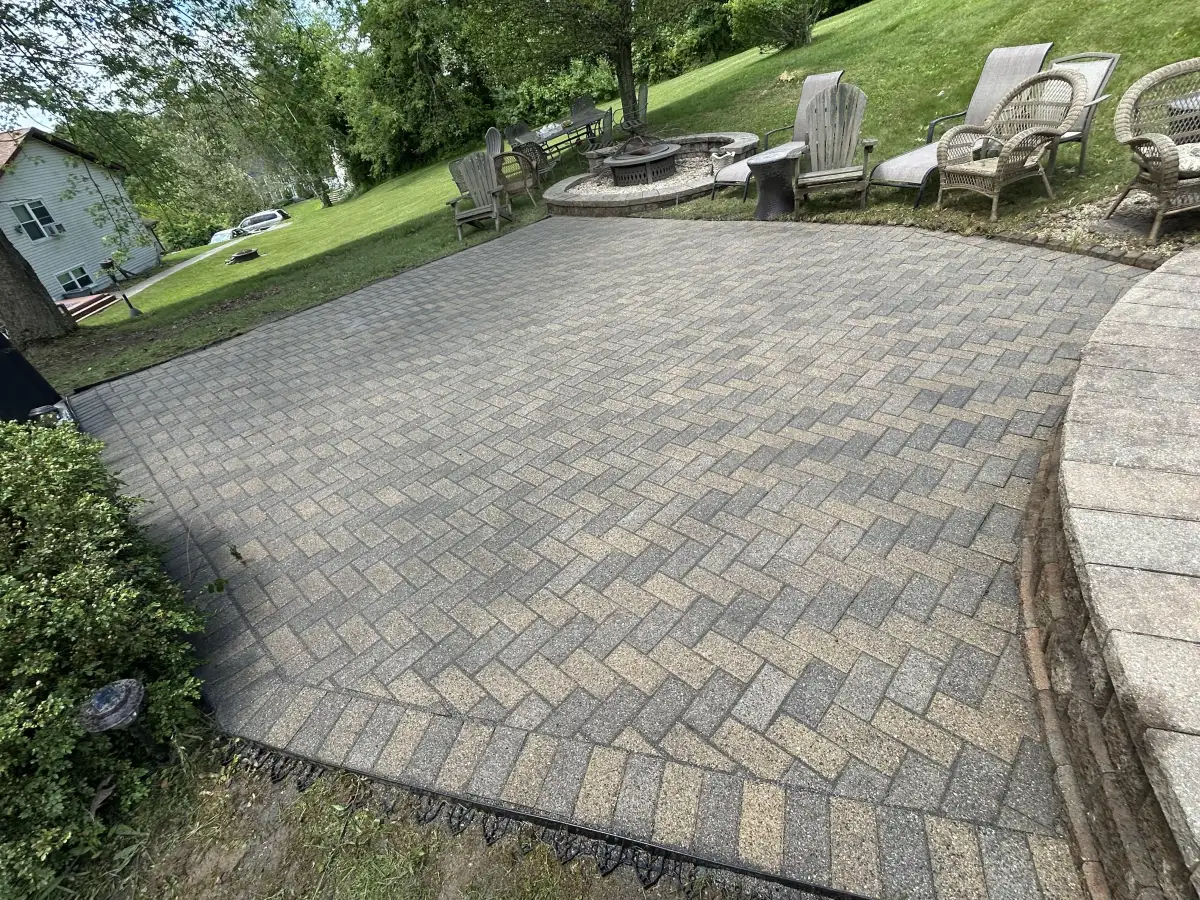
At All American Lawn & Landscape, we install pavers from leading manufacturers in a wide range of colors, textures, and patterns. Whether you want a traditional herringbone patio, a running bond walkway, or a soldier course border on your driveway, we lay every paver by hand for precision fit and clean lines.
The real difference between a paver job that lasts and one that fails is what happens below the surface. We excavate to proper depth, install 6-8 inches of compacted gravel base, screed a level bedding sand layer, set edge restraints, and fill joints with polymeric sand that hardens to prevent weeds and ant hills. Owner Evan Turenchalk oversees every paver project in Hopewell Junction, Wappingers Falls, Fishkill, and across Dutchess County.
Paver Surfaces for Entries, Patios, Drives, and Pool Areas
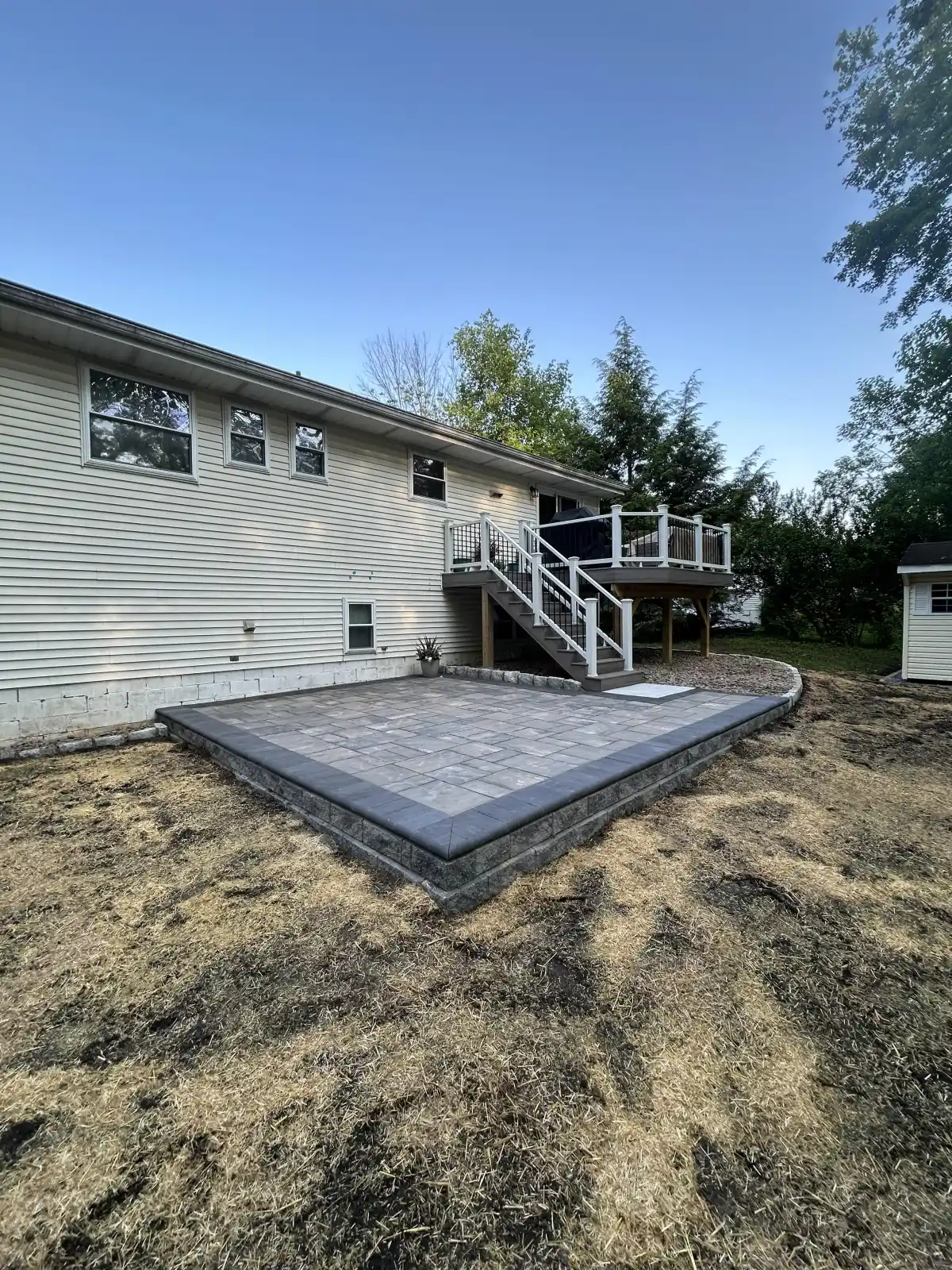
Paver Patios
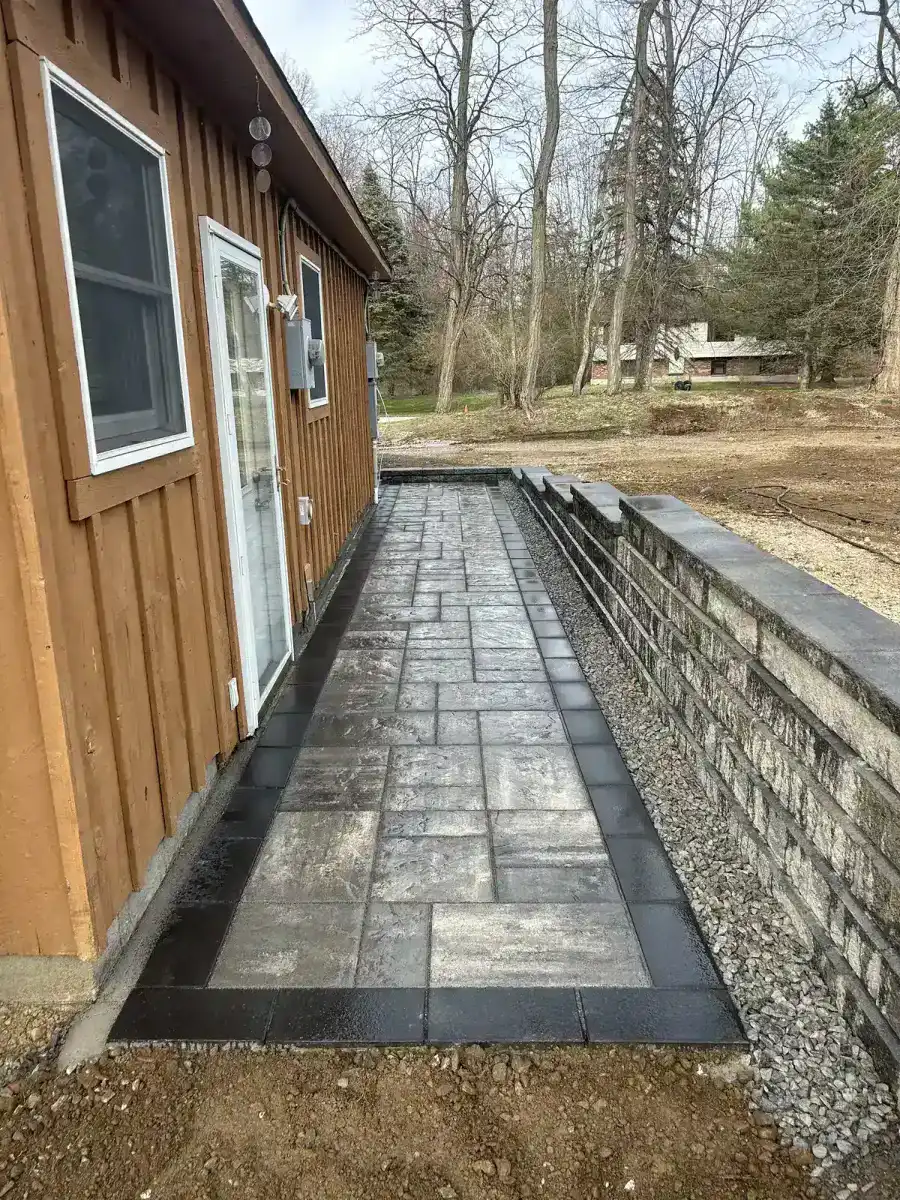
The most popular paver application. Custom outdoor living spaces in any size, shape, and pattern. Integrates with fire pits, retaining walls, and outdoor kitchens.
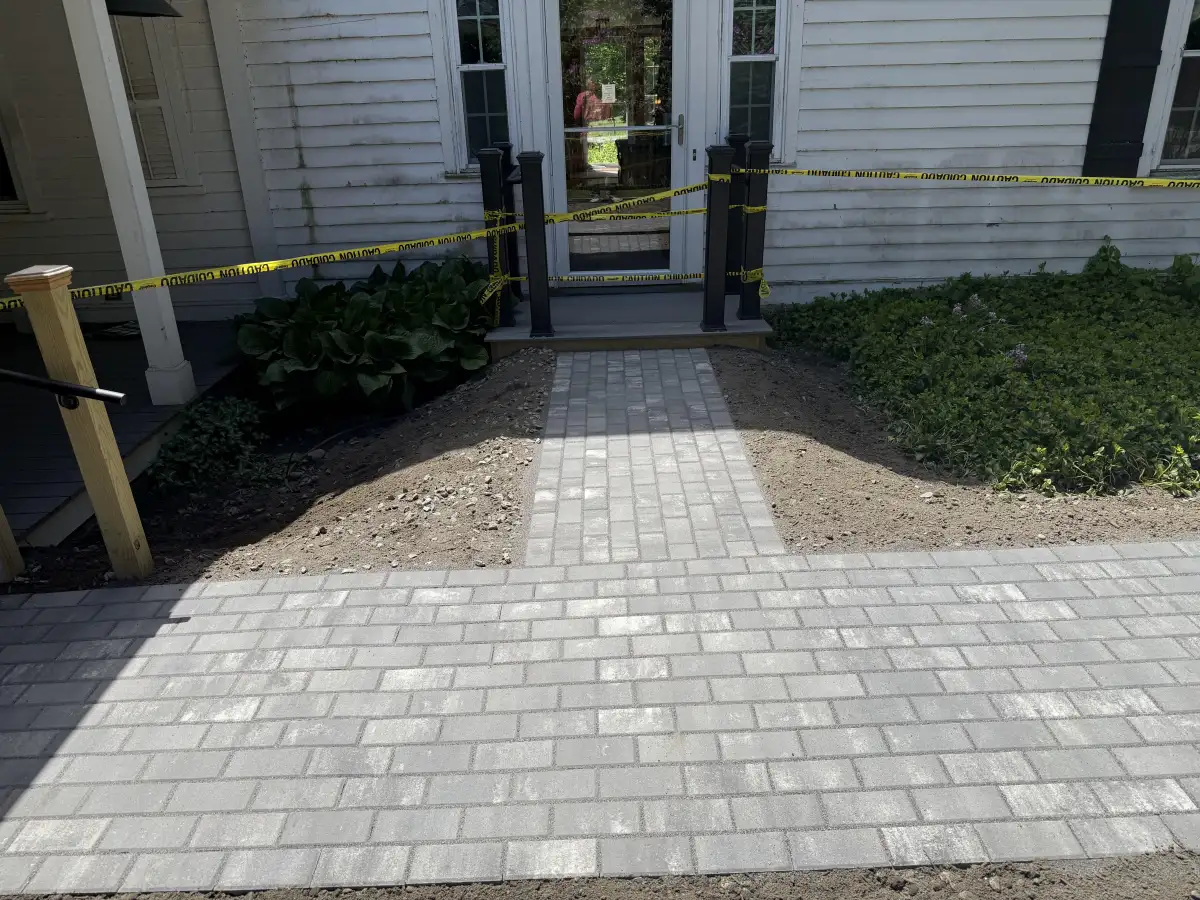
Paver Walkways
Front entry walks, garden paths, and connecting pathways. Boost curb appeal and eliminate trip hazards from cracked concrete.
Paver Driveways
Heavy-duty paver driveways with reinforced base and edge restraints that handle vehicle traffic and New York winters. Proper sub-base prevents rutting and shifting.
Pool Surrounds
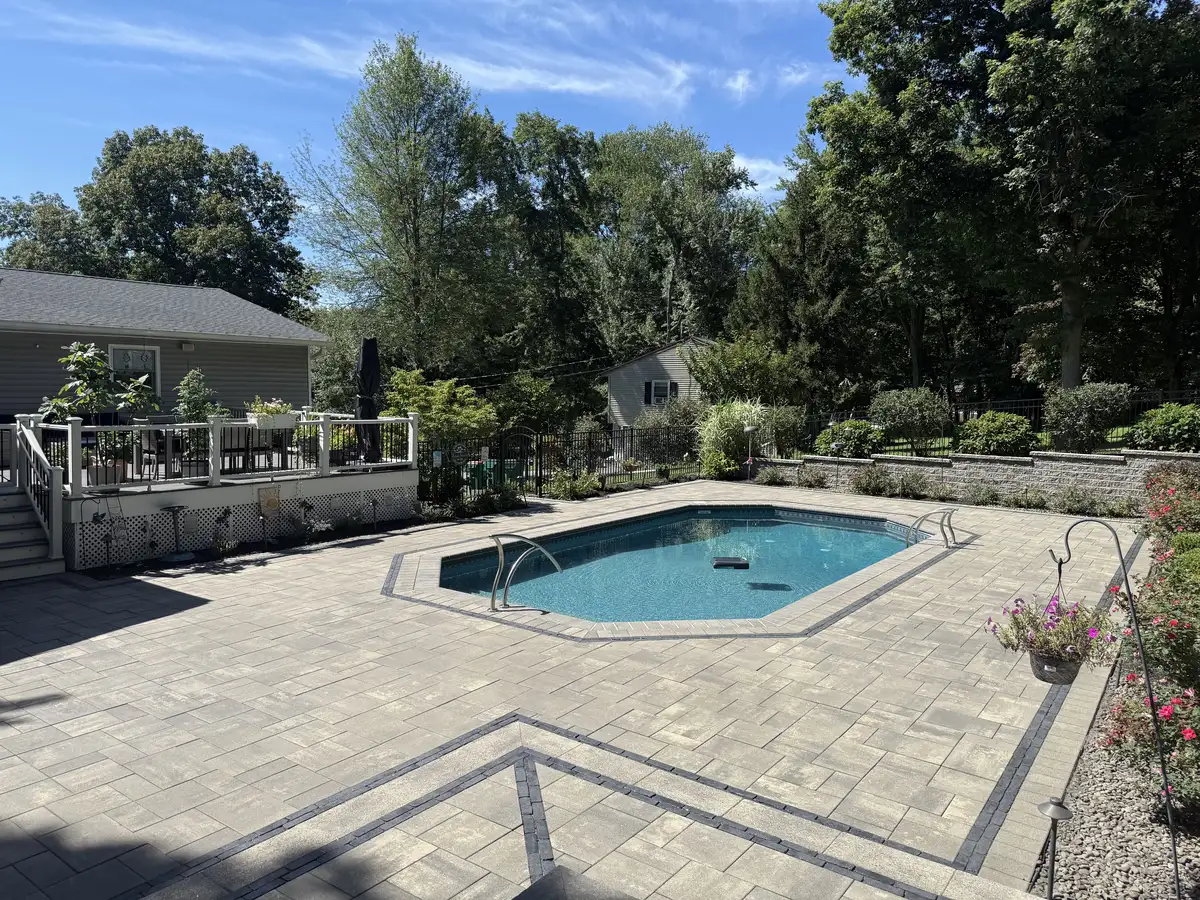
Slip-resistant paver pool decks that withstand chlorine, freeze-thaw, and bare foot traffic. Cool-touch pavers available for maximum comfort.
Paver Sealing
Protect your investment with professional paver sealing. Enhances color, repels stains, and locks polymeric sand in joints for years of low-maintenance beauty.
Paver Repair & Re-Sanding
Re-leveling sunken pavers, replacing damaged units, pressure washing, and re-applying polymeric sand to restore existing paver surfaces.
Paver FAQ
Complete Your Paver Project
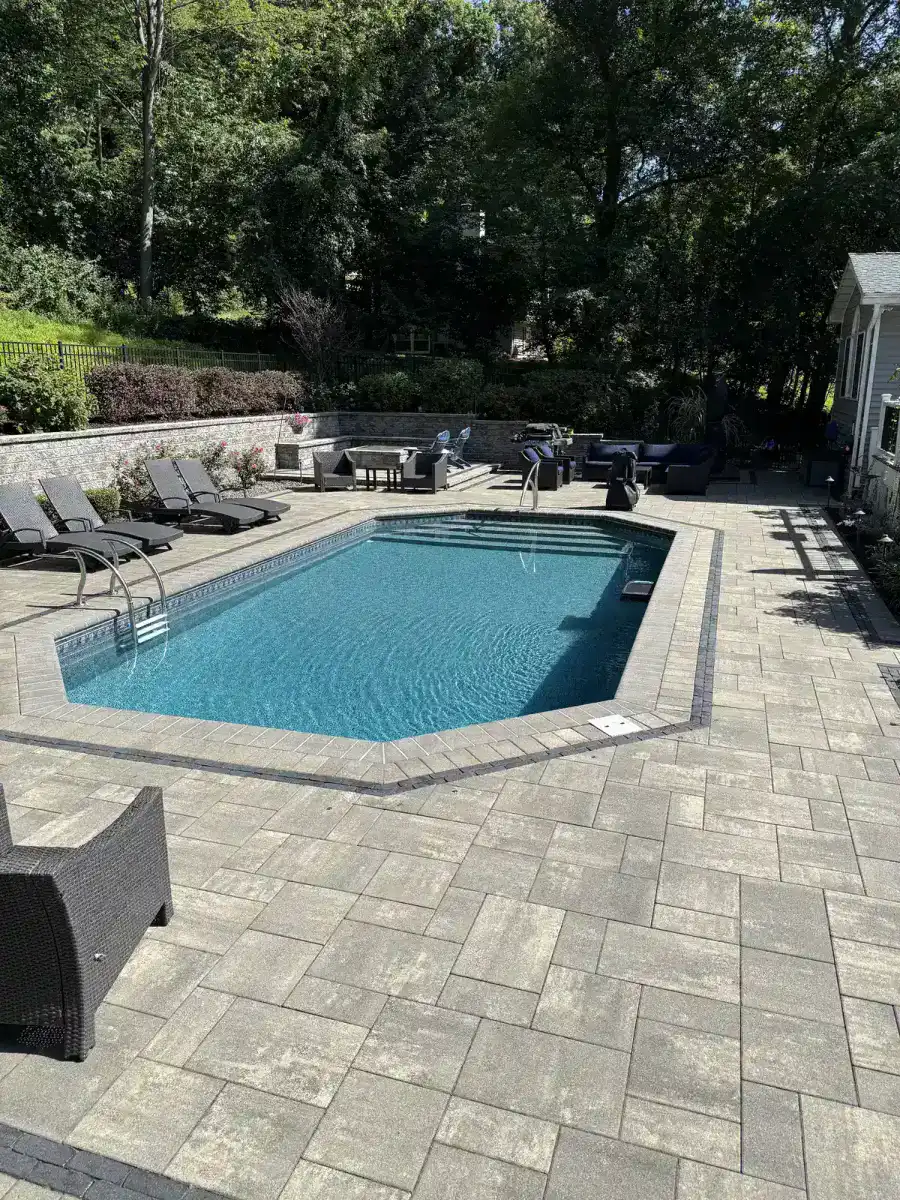
Pavers Perform Best When Base, Drainage, and Edges Are Built Correctly
Paver patios, walkways, driveways, and landings are popular because they look finished and can handle movement better than a single poured slab. They still need careful construction. The excavation depth, base stone, compaction, bedding layer, edge restraint, joint material, and final pitch all affect how the surface performs through freeze-thaw cycles and daily use. We plan those details before discussing pattern or color.
Every paver project starts with grade. Water should move away from the house, off the surface, and toward a place that will not damage the lawn, foundation, or neighboring hardscape. Door thresholds, existing steps, driveway transitions, and retaining walls all influence the layout. If a patio is placed too high, it can trap water at siding or doors. If it is placed too low, surrounding lawn and beds can wash onto the surface. Proper base depth and compaction are what keep the finished area stable.
Paver work often pairs with other improvements. A front walkway may need landscape bed renovation and lighting-ready conduit. A backyard patio may require excavation, grading, or a small retaining wall. A driveway apron may need drainage correction or concrete removal first. We can coordinate those steps so the project is built in the right order and the finished space ties into the rest of the property.
All American Lawn & Landscape installs pavers across Hopewell Junction, Fishkill, Wappingers Falls, Beekman, East Fishkill, Poughkeepsie, LaGrange, and nearby Dutchess County communities. Evan can review the site, explain material and layout options, and provide an estimate that includes the unseen base work as well as the finished surface homeowners actually see.
Use, Pitch, and Base Depth Come First
Pattern and color matter, but the first paver decisions are practical. We ask how the surface will be used, where furniture or foot traffic will go, how water should leave the area, and how the new work connects to doors, steps, lawns, and driveways. Those choices determine excavation depth, base preparation, edge restraint, and finished pitch.
Evan also checks whether demolition, grading, drainage, retaining edges, or landscape repair should be included. A well-built paver project is a system: the visible surface, the compacted base, the drainage path, and the surrounding grade all need to work together.
Maintenance Planning for Paver Surfaces
Paver estimates also include conversations about maintenance. Joint sand, edge restraint, drainage, nearby trees, and winter treatment all affect how the surface ages. We explain what the homeowner should expect after installation and how to protect the investment with sensible cleaning, snow practices, and periodic upkeep.
The written scope should make the hidden base work as clear as the visible paver pattern: excavation, stone depth, compaction, edging, drainage, joint material, and restoration. That detail helps homeowners understand why a stable paver surface depends on more than the block selected from a catalog.