
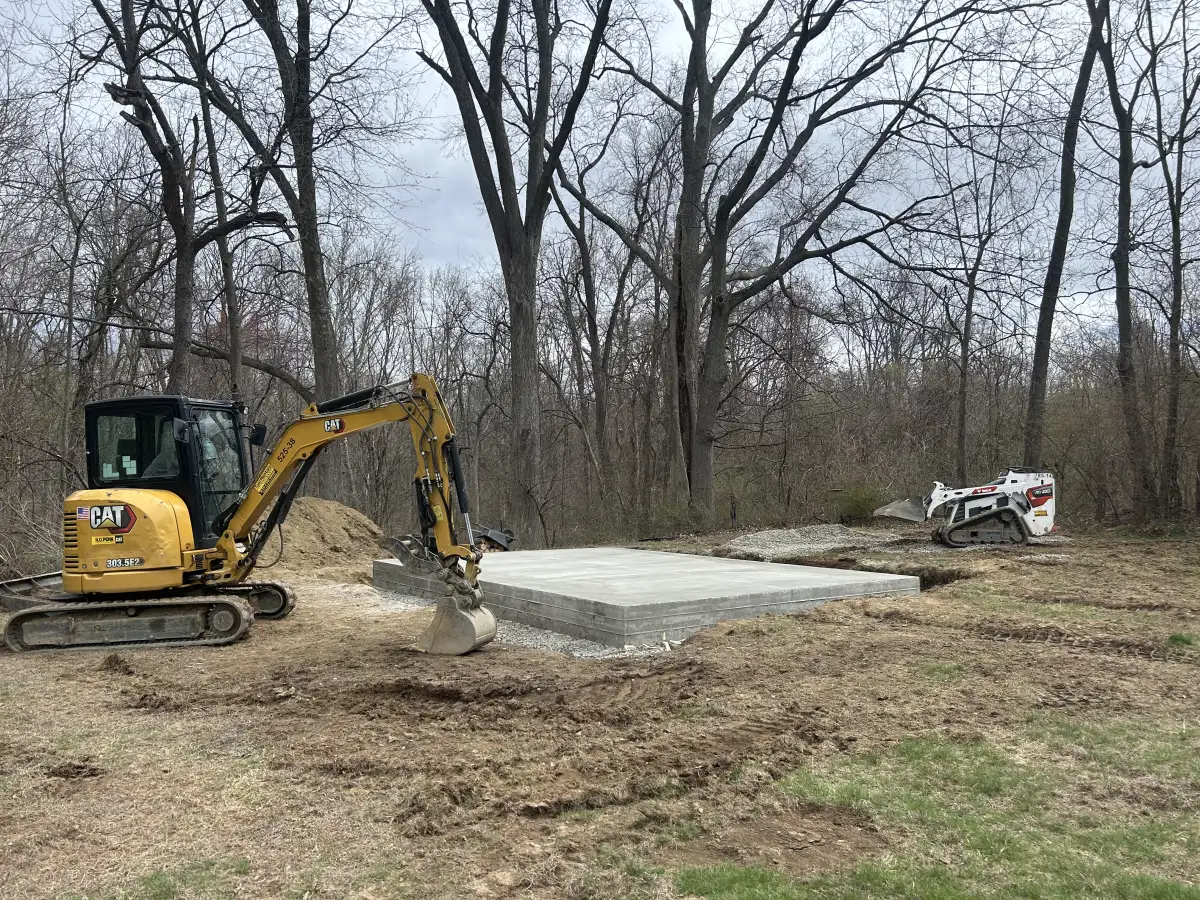
Removal Work With Cleanup, Hauling, and Site Prep Included
Demolition projects are not finished when the old concrete, shed, patio, wall, or small structure is knocked apart. The site still needs safe debris handling, loading, disposal, grading, and a clean surface for whatever comes next. All American Lawn & Landscape plans demolition around the full sequence: access for equipment, protection for nearby lawn or hardscape, debris separation, hauling needs, and final grade.
On Dutchess County properties, demolition often connects to a next step such as a new paver patio, gravel driveway, concrete pad, drainage correction, or lawn restoration. Evan reviews that next use before quoting removal so the finished surface is not left rough, pitched toward the house, or too soft for the new installation. If old concrete is hiding poor base material or water issues, the estimate can include the correction before new work begins.
The crew handles compact equipment demolition for old walkways, failed patios, small slabs, fence removals, landscape walls, brush-covered structures, and site cleanup. Written estimates spell out what is being removed, what gets hauled away, what stays on site, and how the area will be left when the work is complete.
Out with the Old, In with the New
Before you can build a new patio, driveway, or outdoor living space, you often need to remove what is already there. Cracked concrete slabs, failing retaining walls, old sheds, and outdated structures all need to go before the new work can begin.
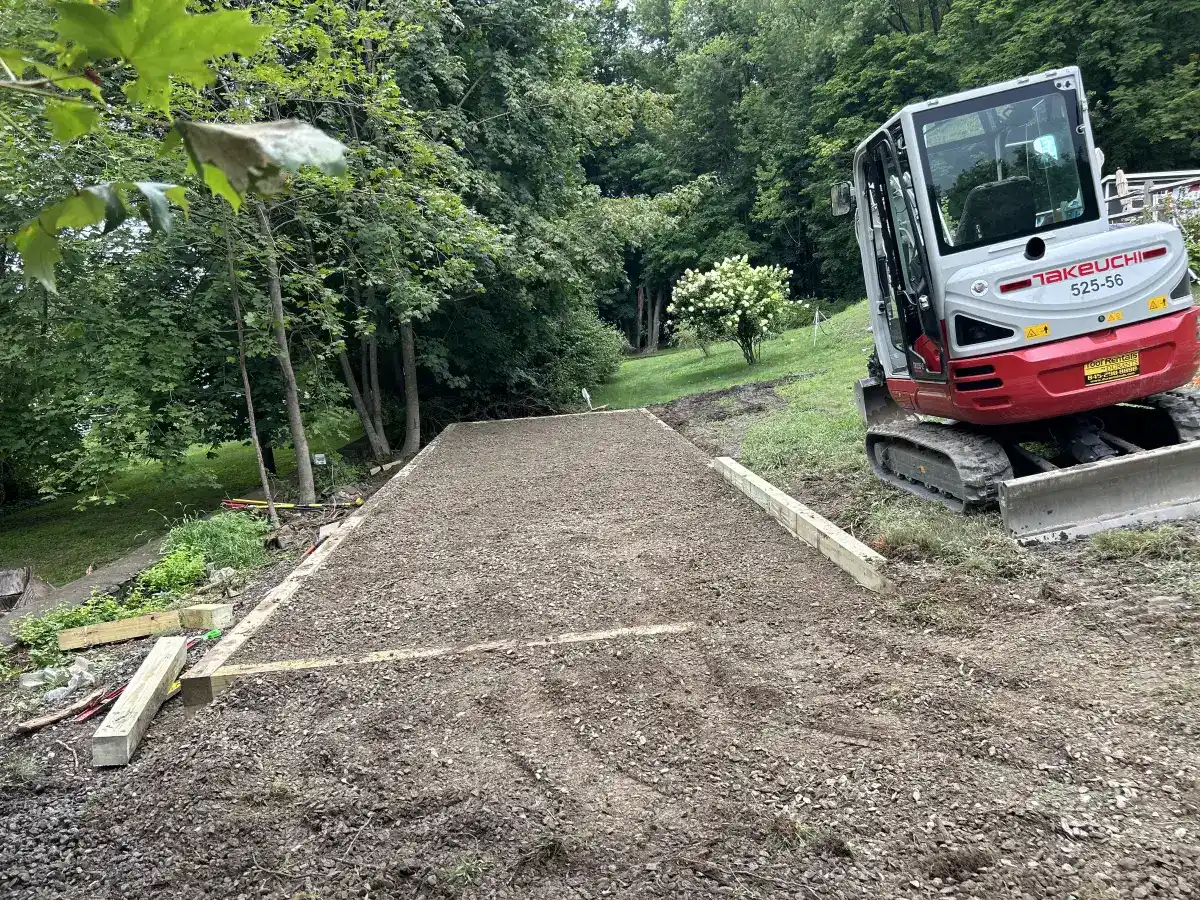
All American Lawn & Landscape handles residential demolition projects across Dutchess County using our own excavators and equipment. We break up concrete, load debris, haul it away, and leave the site graded and ready for the next phase -- whether that is a new paver patio, a gravel driveway, or simply a clean, level yard.
Because we handle excavation, hardscaping, and landscaping in-house, demolition is often just Phase 1 of a larger project. One crew, one schedule, one point of contact from demo through the finished product.
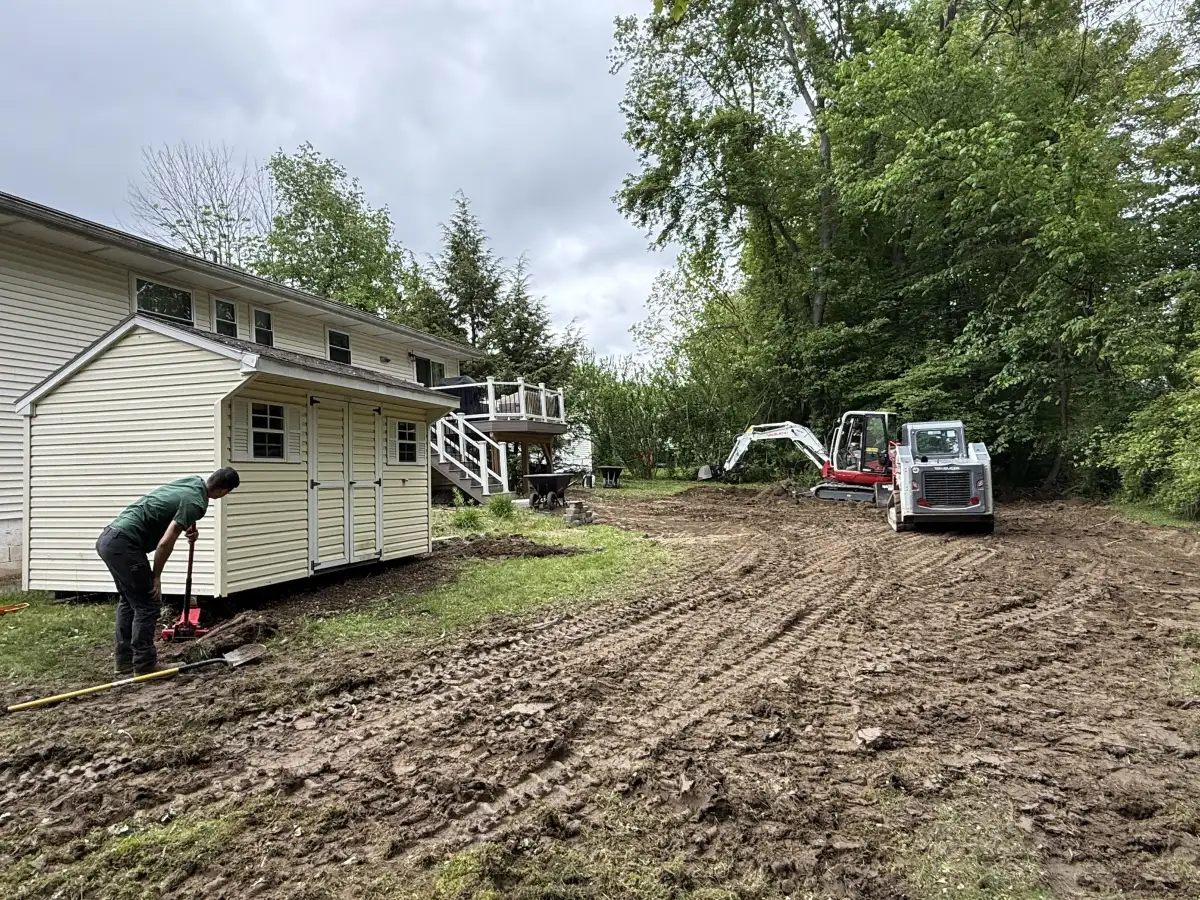
Demolition Services
Concrete Removal
Old driveways, patios, sidewalks, slabs, and foundations broken up and hauled away. We use hydraulic breakers and our excavators to handle concrete of any thickness.
Structure Demolition
Old sheds, decks, retaining walls, above-ground pools, and small outbuildings taken down and removed from your property.
Site Cleanup
Complete debris removal, material sorting for recycling where possible, and rough grading after demolition to prepare for new construction.
Debris Hauling
All concrete, wood, metal, and construction debris loaded and hauled to proper disposal or recycling facilities. Nothing left behind for you to deal with.
Demolition Steps From Tear-Out to Cleanup
Site Assessment
Evan evaluates the structure, identifies utilities, and determines equipment needs. You get a clear written quote covering removal, hauling, and final grading.
Utility Marking
We coordinate 811 utility locates before any demolition near underground lines. No surprises, no damaged pipes.
Demolition
Controlled demolition using excavators, hydraulic breakers, and hand tools. We protect adjacent structures, landscaping, and hardscapes.
Cleanup & Grade
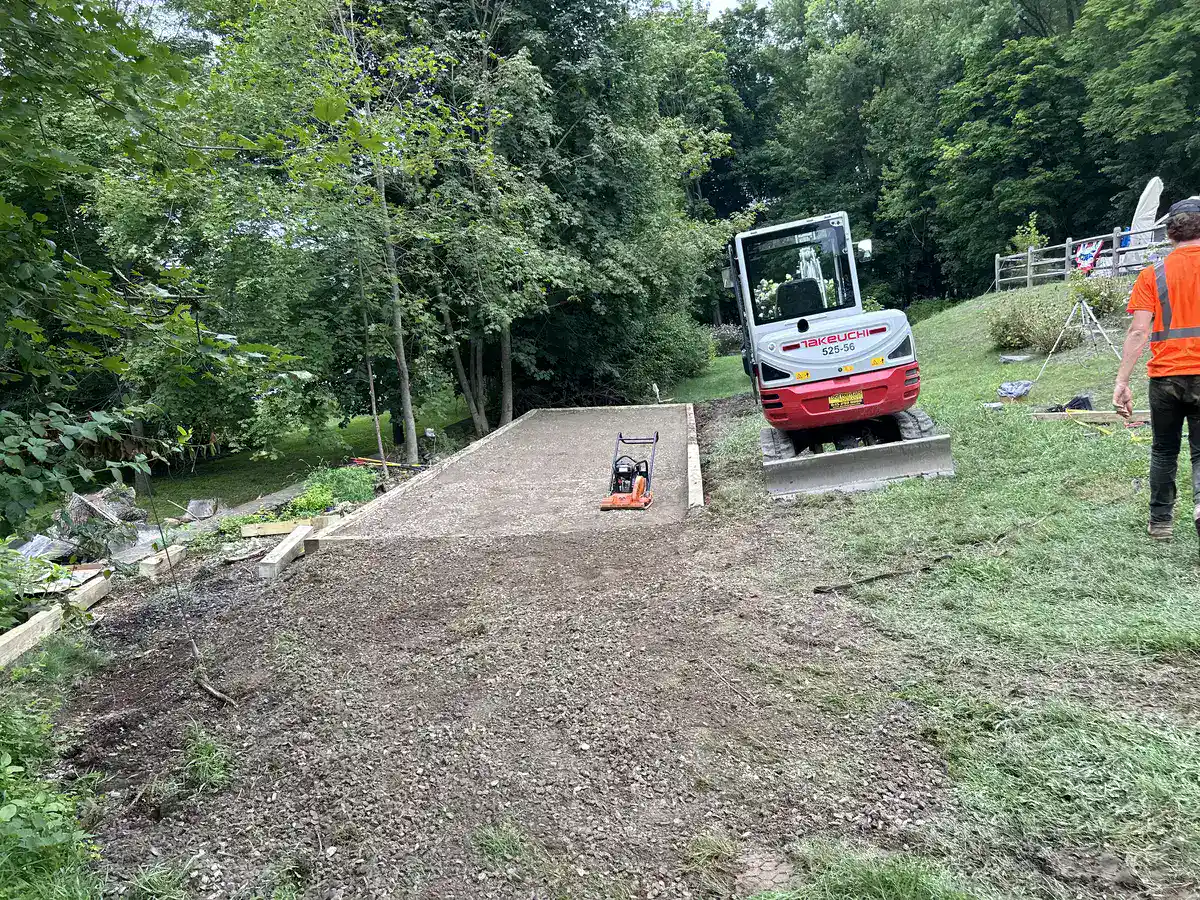
All debris loaded and hauled away. Site rough-graded and ready for whatever comes next -- new patio, driveway, or lawn.
Demolition FAQ
What Comes After Demo
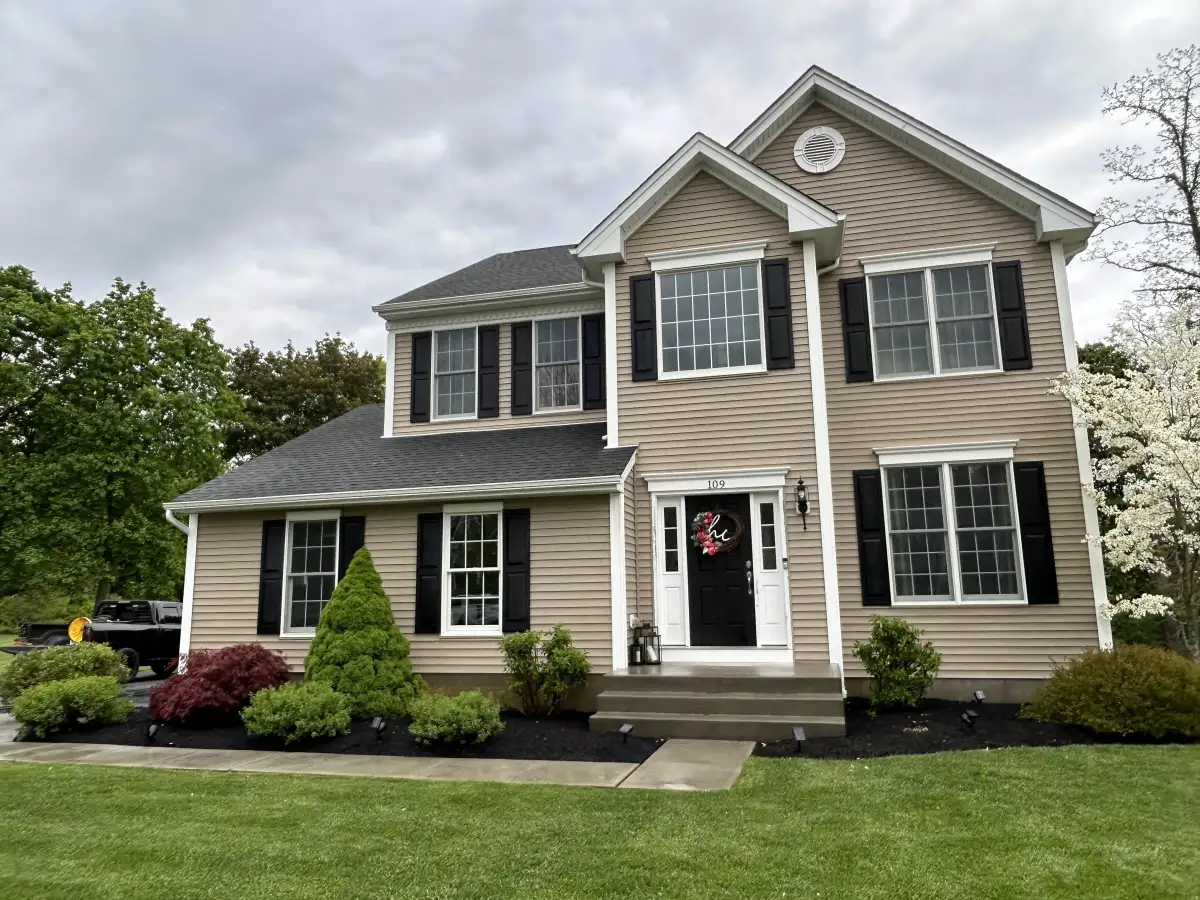
Clean Tear-Outs That Leave the Site Ready for the Next Step
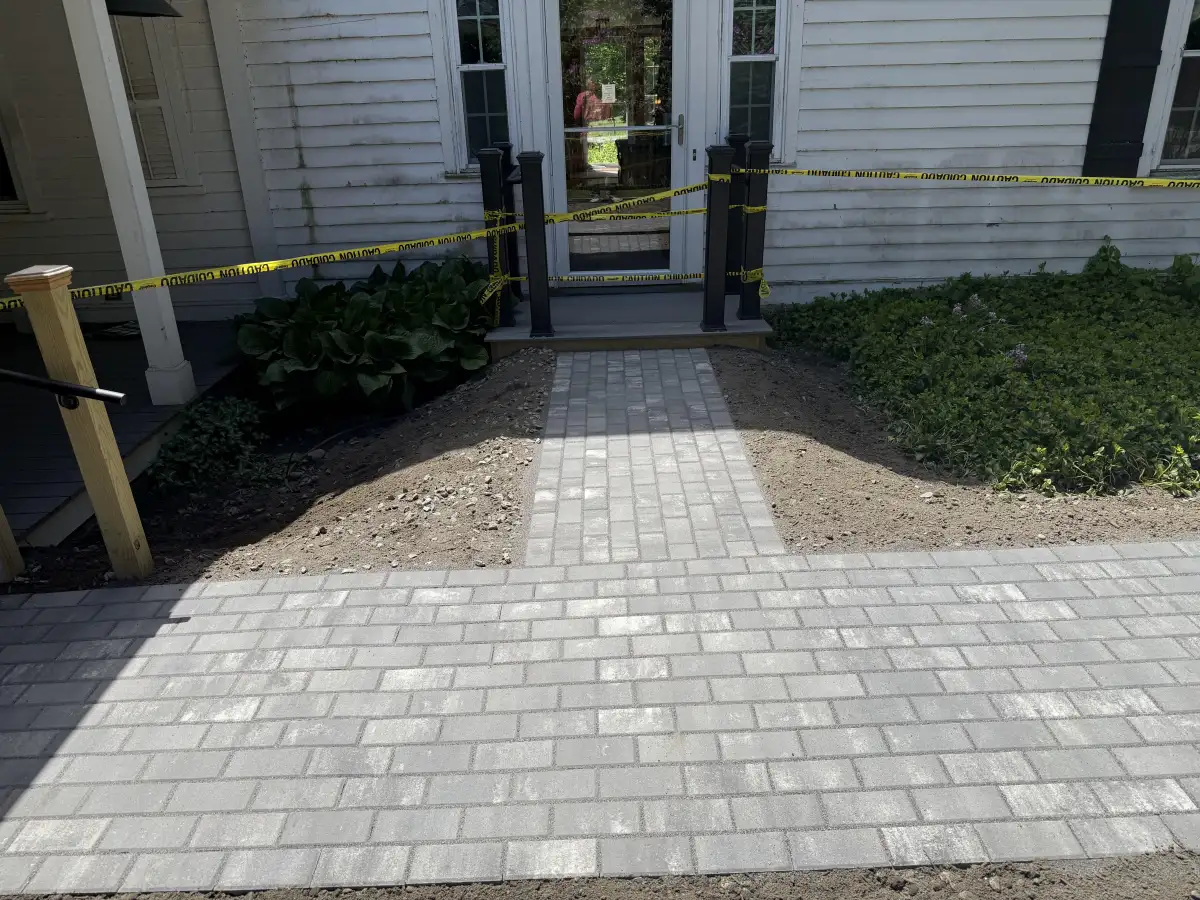
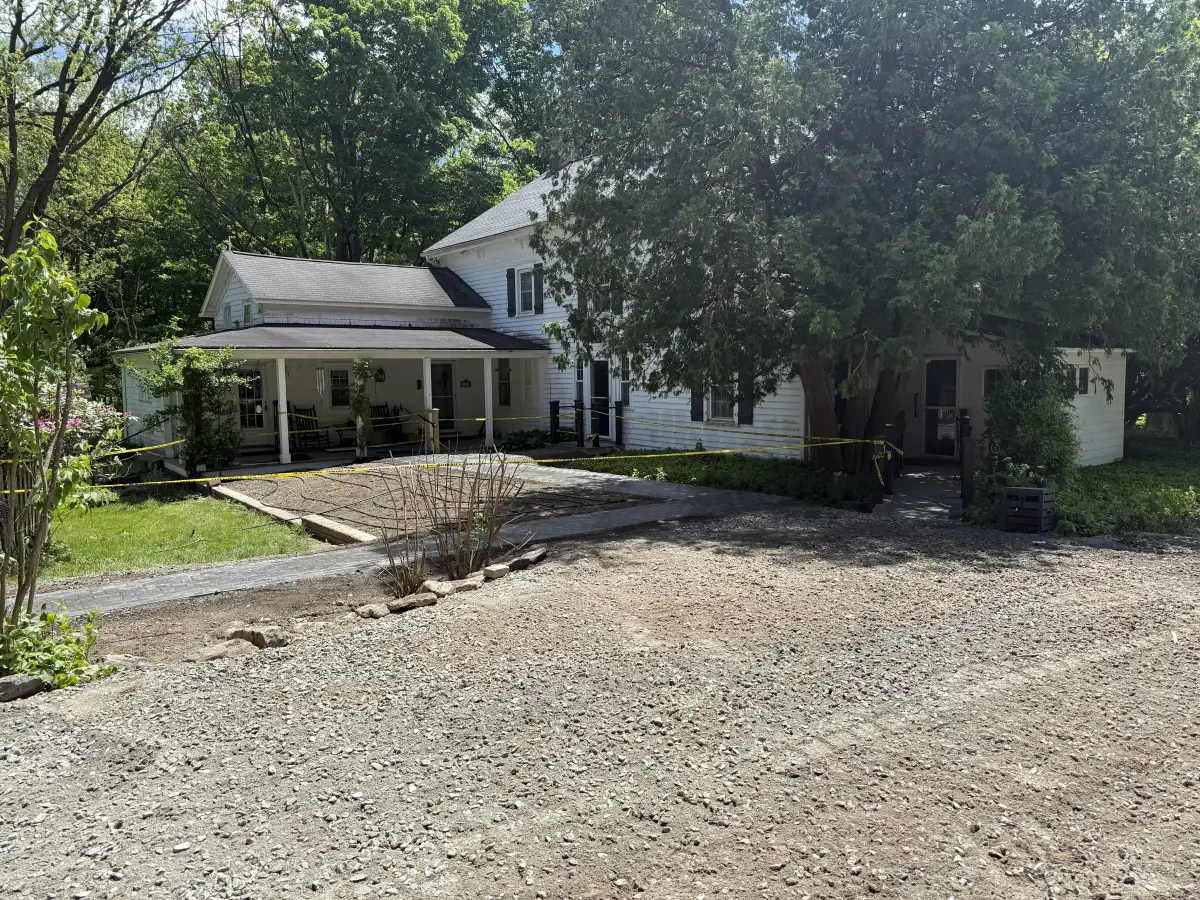
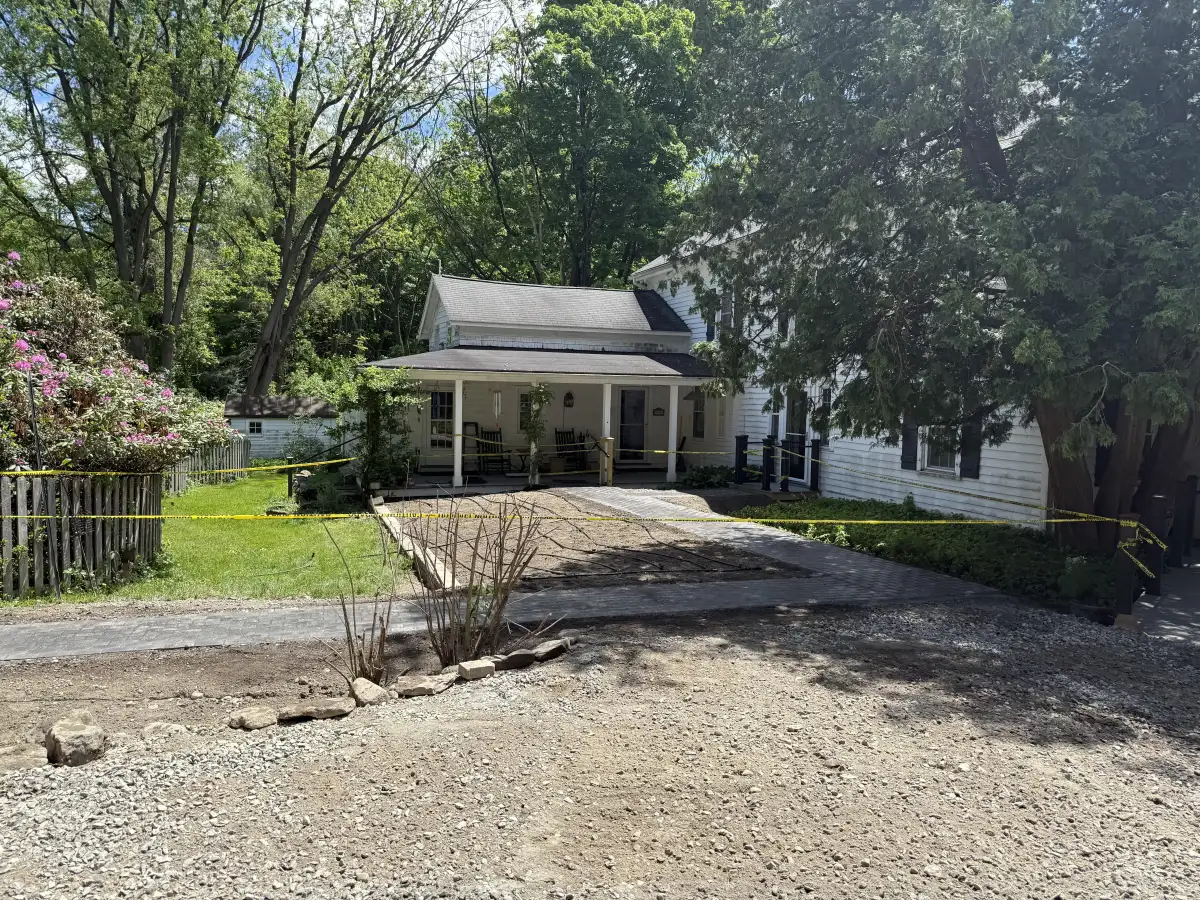
Good demolition is controlled, organized, and planned around what will happen after the material is gone. A cracked patio, failing walkway, old concrete pad, rotted shed, fence line, or small structure should not leave behind ruts, debris, exposed hazards, or a grade that makes the replacement project harder. We start by identifying what needs to be removed, what must be protected, how equipment will access the work area, and where material can be staged for loading.
Concrete demolition often requires more than breaking the slab. We look for buried base stone, wire mesh, rebar, old footings, drainage pipes, utilities, and edges tied into other hardscape. Where removal is connected to a new concrete pad, paver patio, gravel driveway, or landscape installation, we can take the surface down to the correct depth and leave the area prepared for excavation or base rebuilding. That saves time because the demolition phase and the rebuild phase are not treated as unrelated jobs.
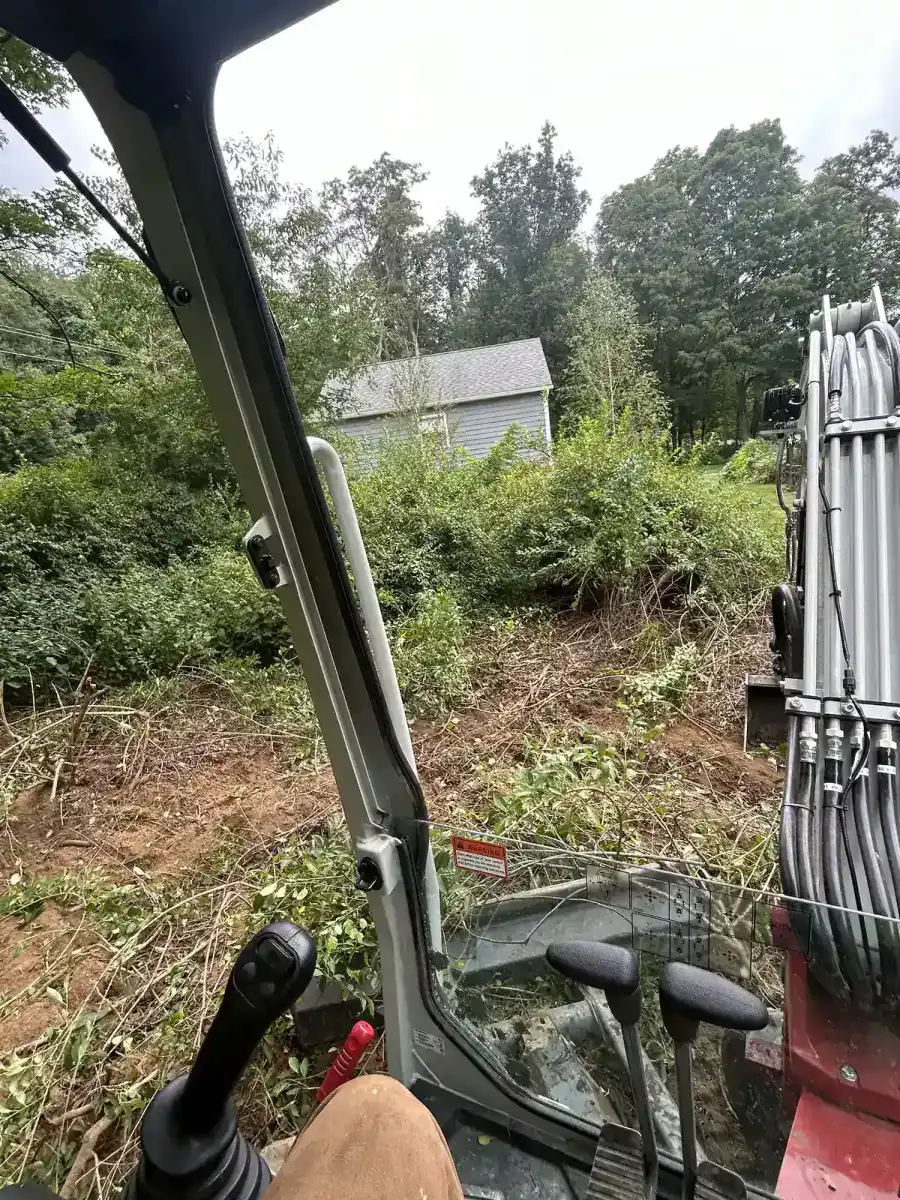
For yard and light structure demolition, we focus on safe separation and clean haul-away. Old sheds, small outbuildings, brush piles, broken fencing, rotted landscape timbers, failed retaining edges, and overgrown areas are removed without spreading debris across the property. If a machine is needed, we use equipment sized to the access and ground conditions. If a tight village lot needs handwork before equipment can reach the area, the estimate reflects that reality upfront.
Demolition is often paired with excavation, regrading and land clearing, concrete replacement, or paver installation. We serve homeowners and small commercial properties across Dutchess County, including Hopewell Junction, Fishkill, Beekman, Wappingers Falls, East Fishkill, Poughkeepsie, and LaGrange.
What to Clarify Before Demolition Starts
A demolition estimate should state exactly what is being removed, what is staying, how debris will be hauled, and how the area will be left. We also ask whether the removal is opening space for a patio, driveway, lawn, fence, concrete pad, or drainage correction because the finish grade may need to be prepared differently for each outcome. Protecting nearby surfaces, utilities, plantings, and access paths is part of the plan.
Photos are helpful for identifying the structure or slab, but Evan usually needs to see thickness, access, disposal volume, and adjacent grades in person. That keeps the price tied to the real work rather than a rough guess based only on debris size.
Scheduling Demolition Around Hauling and Rebuild Work
Demolition scheduling also depends on disposal and what comes next. If the area needs to be rebuilt quickly, we plan the removal so the replacement contractor or our own crew can start with a clean surface. If the project is part of a larger yard reset, we can combine tear-out with grading, clearing, stone, or seed preparation to reduce repeat mobilization.
After Evan reviews the removal area, the demolition quote identifies debris handling, haul-off expectations, protection needs, and the condition the crew will leave for the next trade or next phase. That gives homeowners a practical demolition plan instead of a vague removal price that leaves cleanup, grading, or disposal uncertain.