

Move Water Away From the House and Yard
Standing water, muddy areas and basement moisture call for an assessment of where water comes from and where it can go. Soil, grades, existing drains and surrounding features all affect the right response for your property.
A drainage project should begin with the observed water problem. Identify where water comes from, where it collects, and potential discharge routes before selecting construction. The scope should address the actual cause, site conditions, access, restoration, and applicable requirements.
Share photographs showing the problem after rainfall and explain where water collects. The assessment should establish the proposed collection, conveyance and discharge arrangements, together with restoration around the work.
Complete Drainage Solutions
Every drainage problem is different. We match the right system to your specific water issue, site conditions, and budget.
French Drains
A subsurface collection drain may be an option where the assessment identifies water it can collect and a suitable discharge route. Review the location, soil conditions, materials, outlet, and maintenance needs for the proposed system.
Curtain Drains
A curtain drain is one possible way to intercept water before it reaches a problem area. Its location and suitability depend on the observed water path, ground conditions, and a workable outlet. Review those conditions before selecting a drainage approach.
Footing & Foundation Drains
Footing-drain work depends on the actual foundation and water problem. Confirm the assessment, selected system, connections, specialist responsibilities, and included site work.
Dry Wells
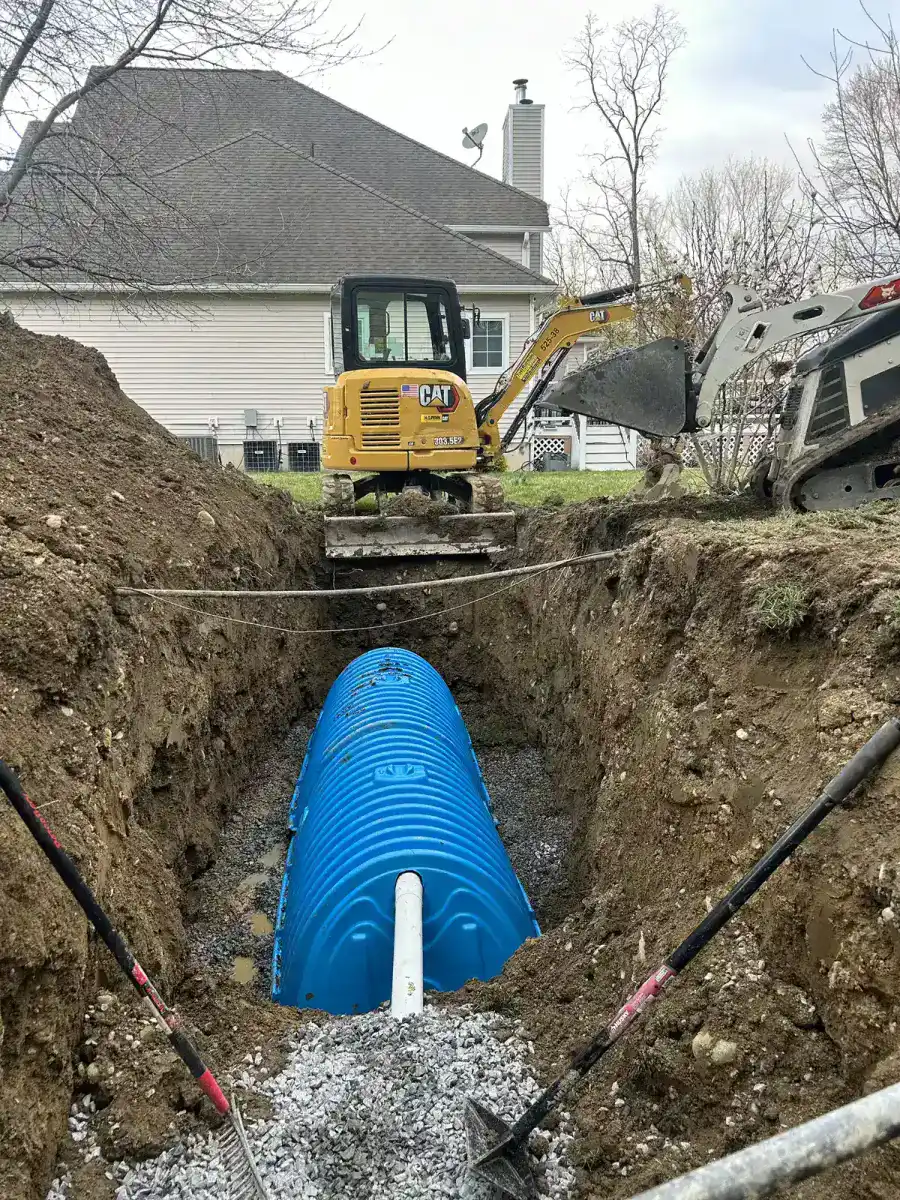
Underground collection chambers that receive water from French drains, downspouts, or surface drains and slowly disperse it into the surrounding soil.
Underground Gutter Connections
An underground connection may carry roof runoff along a planned route. Discuss the downspouts, outlet, drainage conditions, access for maintenance, and any existing surface extensions it would replace.
Yard Drainage & Regrading
Swales, catch basins, and property regrading may form part of a surface-water plan. The grades, collection points, and suitable outlet need to address the observed problem at your yard.
Local Drainage Problems After Heavy Rain
Rain, snowmelt, grades, roof runoff, and ground conditions can all affect where water collects. Assess the actual property before choosing a drainage solution; one regional rainfall figure or assumed clay infiltration rate does not describe every yard.
Conditions to document when requesting a drainage assessment:
- Recurring water pooling in the yard after rain; note where it collects and how long it remains
- Damp or wet basement walls, especially after storms
- Mold or musty smell in the basement or crawl space
- Erosion channels forming across your lawn
- Gutters overflowing at the base of your foundation
- Soggy, spongy spots in the lawn that never dry out
Recurring water problems deserve assessment. Record when and where water appears, how it moves and what nearby surfaces or downspouts may be involved. Have the cause investigated before choosing a drainage system.
How Much Do Drainage Solutions Cost in Dutchess County?
Drainage pricing depends on the observed problem, selected system, route, excavation, materials, access, disposal, and restoration. These factors help define the work to compare in a site-specific estimate:
- French drain: compare the proposed collection route, excavation, materials, discharge arrangement and restoration.
- Curtain drain: have the intended interception point and complete water path established for the site.
- Footing or foundation drainage: coordinate the work with the relevant structure, waterproofing and design professionals.
- Dry well: suitability depends on site assessment, the proposed system and applicable requirements.
- Gutter connections: identify the collection points, route, outlet and disturbed-area restoration.
- Combined drainage work: define how the proposed components work together and which problems the complete scope is intended to address.
Ground conditions, rock, access and the proposed trenching can change the work required. Ask which conditions have been assessed, which remain uncertain and how changes will be documented in the estimate.

When to Hire a Drainage Contractor
Some drainage issues can be managed with simple surface grading or extending a downspout. Persistent or worsening water problems call for a closer assessment of their source and the possible responses. The findings should guide whether drainage installation or other work belongs in the proposed scope. Here are situations where hiring a drainage contractor in Dutchess County is the right call:
- Basement water during storms: document where water appears and the conditions when it happens. Have the cause assessed before choosing drainage or building-related work.
- Persistent yard water: record its location and how long it remains after rainfall. Ground conditions, grades, existing drains, and possible outlets need review.
- Soil movement near the house: have the observed condition assessed, including any concern about the foundation or adjoining structures.
- New construction or major landscaping: Building a patio, retaining wall, or addition is the ideal time to address drainage proactively, while equipment is already on site.
- A previous repair has not helped: share what was installed, any available plans, and how the water problem has changed. The next scope should follow the actual cause.
A useful drainage proposal explains the observed problem, the design response and the full construction scope. It should not rely on an assumed financial saving or a guarantee that one system prevents every form of water damage.
How We Diagnose, Excavate, and Restore Drainage Areas
Diagnosis
Photographs during or after rain can help show water sources and collection points. Share available records, downspout locations, existing drains, and the affected areas when requesting an estimate.
System Design
The proposed route, grades, pipe or other components, outlet and maintenance access should be established for the actual site and design. Keep those decisions identifiable in the project scope.
Excavation & Install
The selected drainage design determines excavation, collection, conveyance, discharge, backfill, and access needs. Confirm installation responsibilities and dependencies in the proposal.
Restoration
Define the restoration around drainage work: the surface, planting, or lawn finish, any separate care, and the areas disturbed by access.
Drainage Projects in Dutchess County
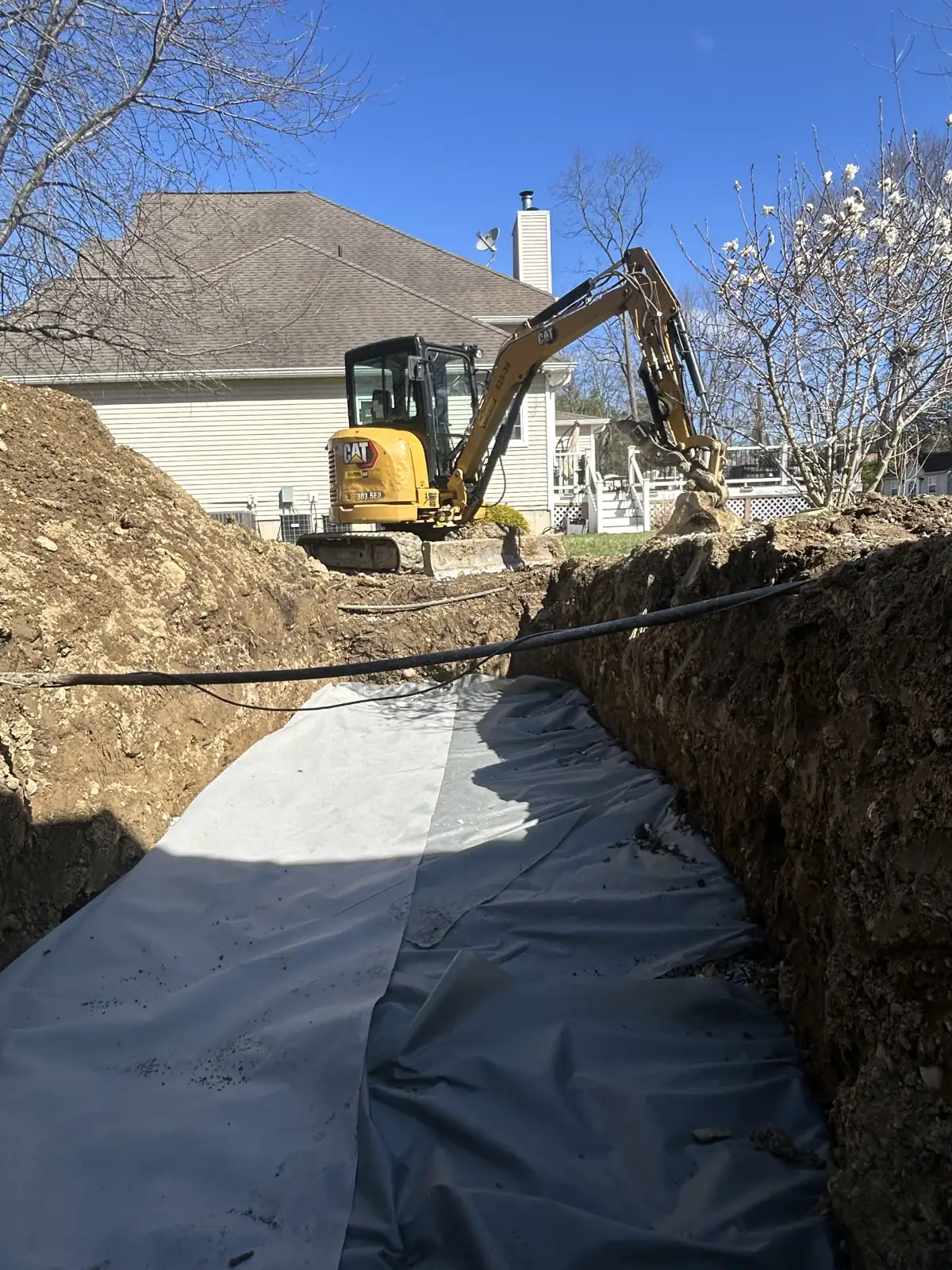
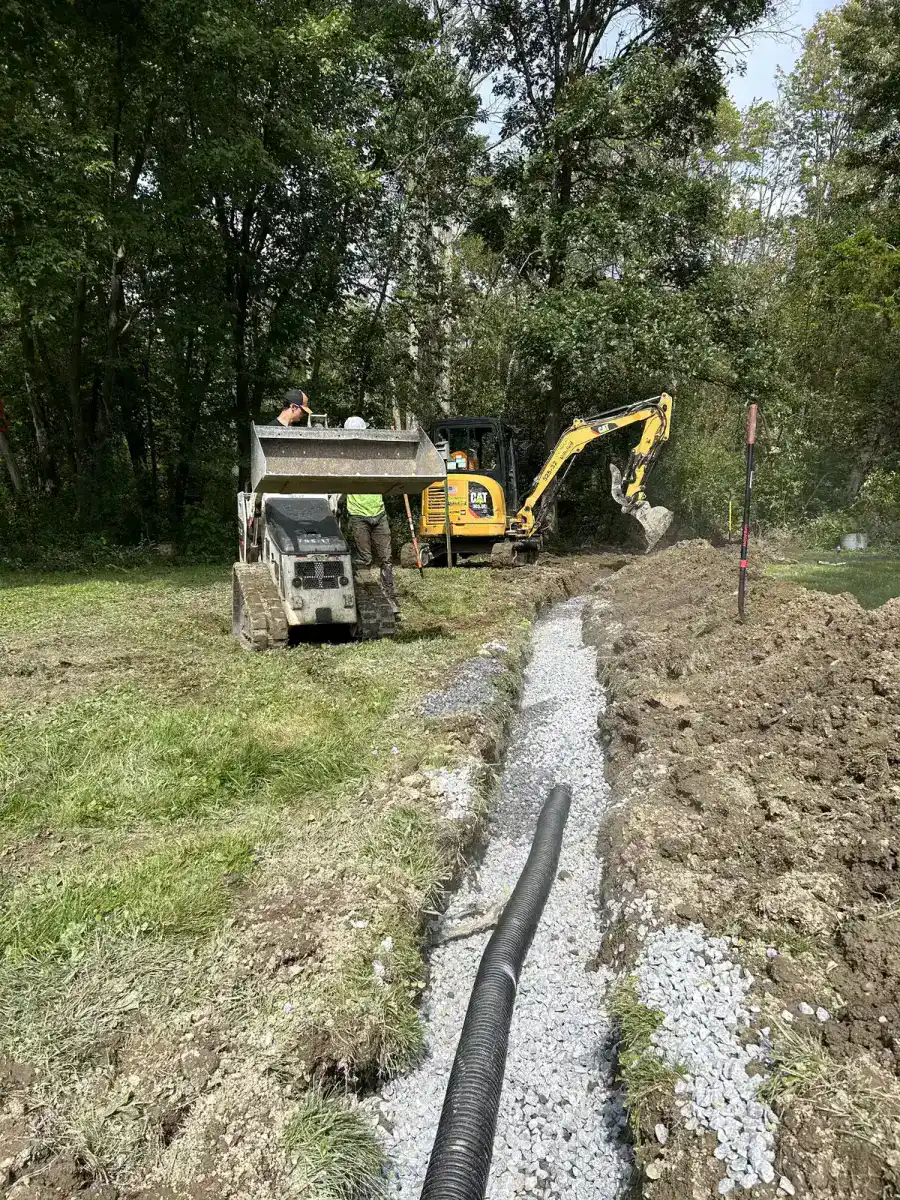
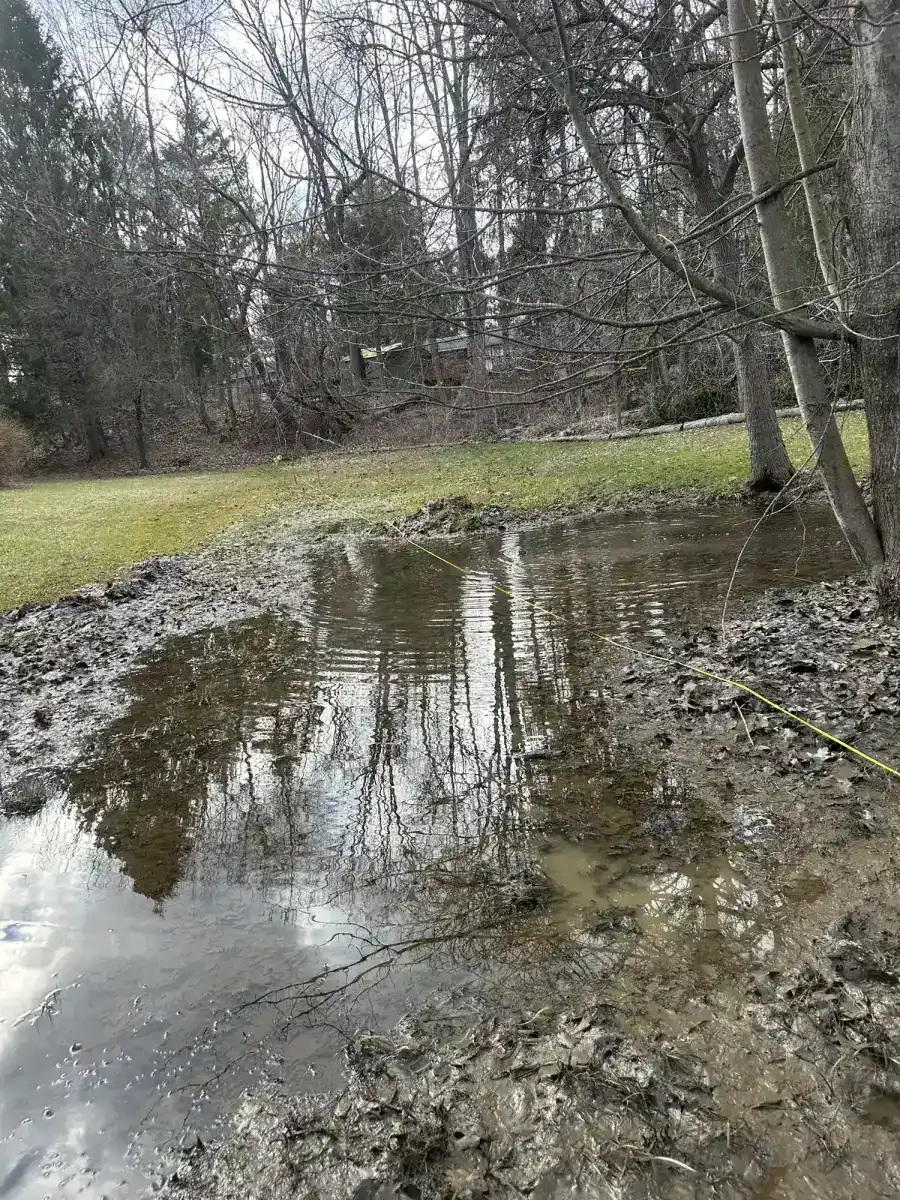
Standing water: a drainage problem to assess.
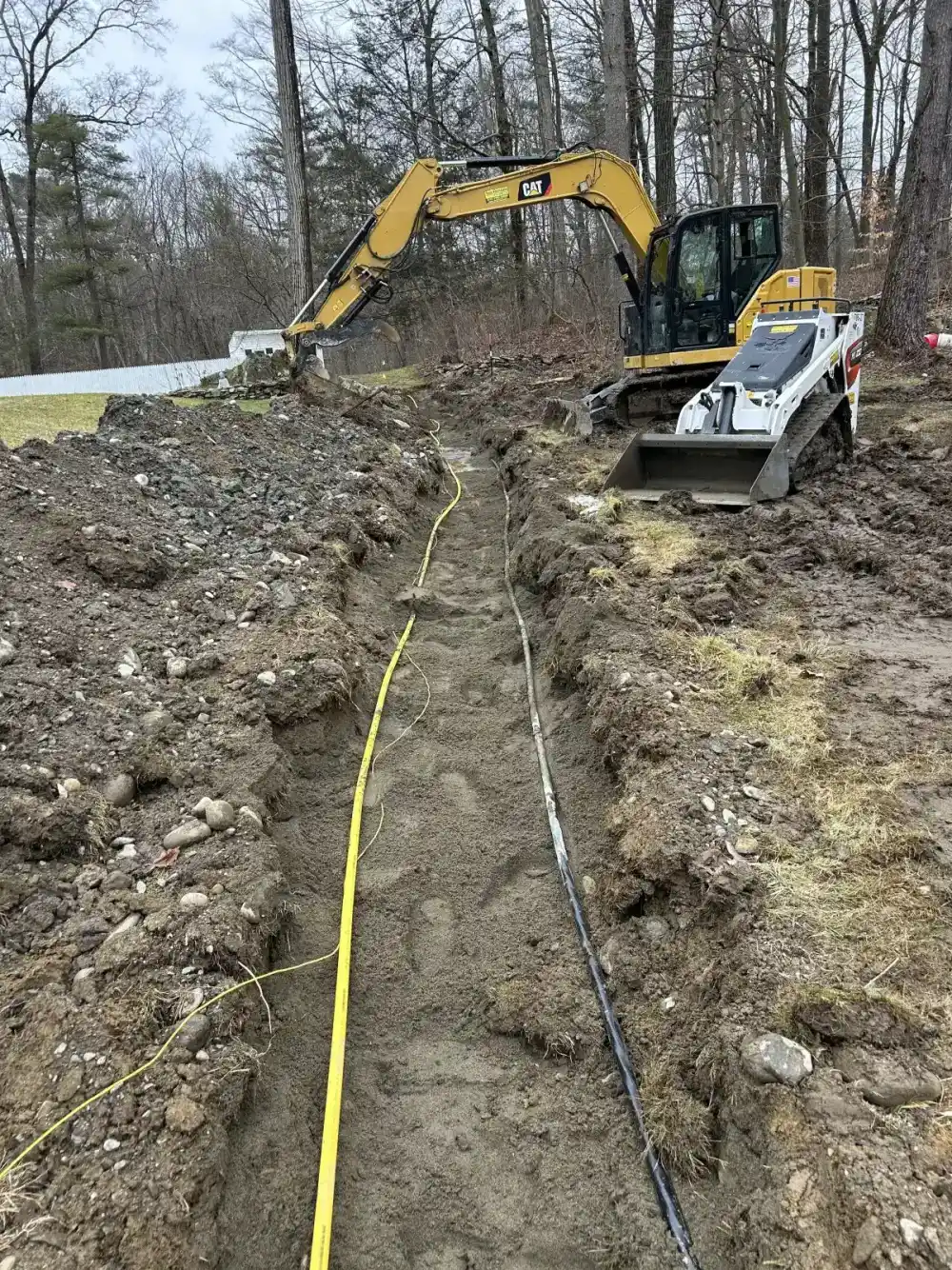
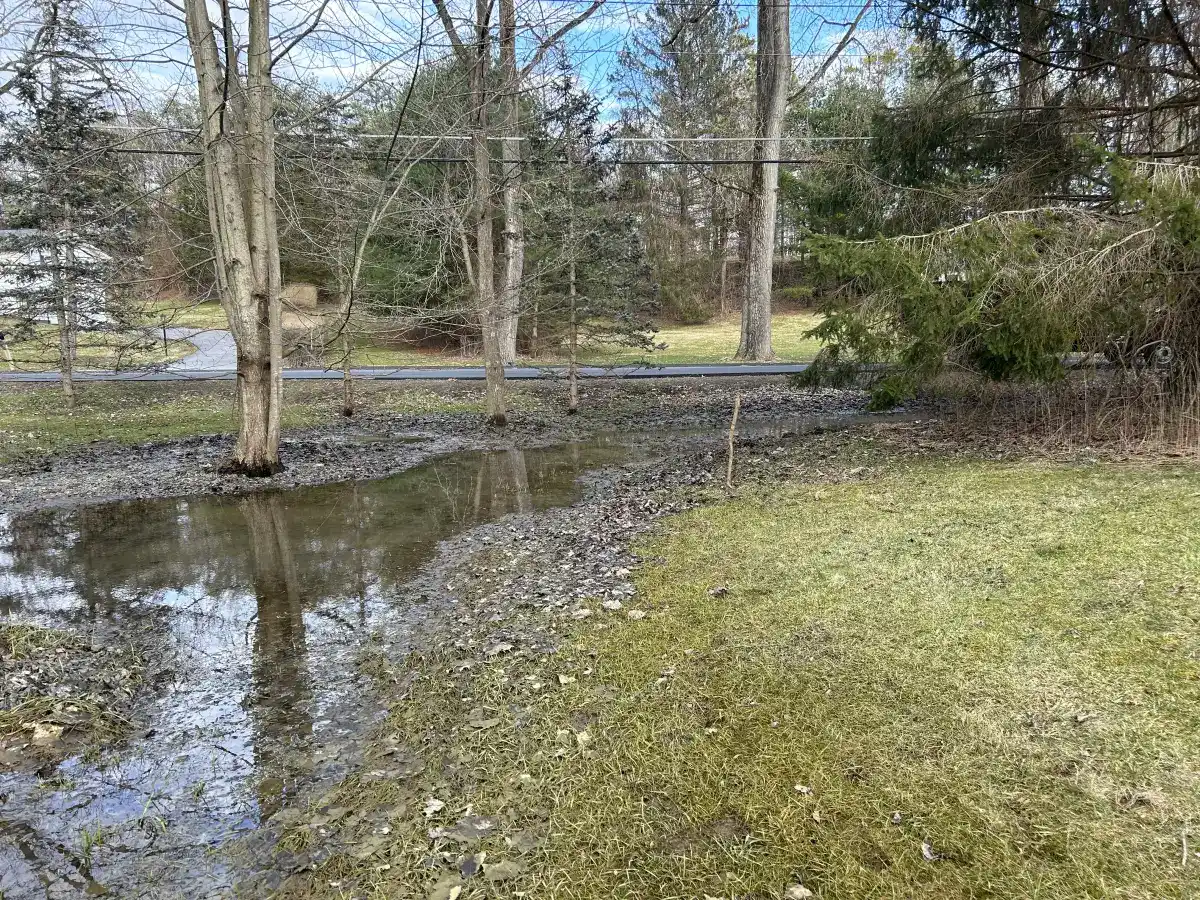
Standing water: a drainage problem to assess.

Drainage FAQ
Drainage pricing follows the design response to the water problem. The route, depth, excavation conditions, utilities, access, discharge arrangement, and surface restoration all affect scope. A shallow yard collection system and work beside a foundation are different projects. Request a site assessment and an itemized proposal for the recommended system.
Drainage work needs a sequence for assessment, utility coordination, excavation, the selected collection and discharge system, backfill, and restoration. Foundation work, difficult access, inspections, and wet weather can add dependencies. Confirm the schedule for your particular route and the finish work included after the system is installed.
Excavation and equipment access can disturb grass and planting areas beyond the trench itself. Before work starts, agree on the access route, protection measures, spoil handling, backfill, and whether the finish includes seed, sod, planting, or another surface. Lawn establishment depends on conditions and care, so it should not be promised within a fixed number of weeks.
A wet basement needs an assessment of where water enters and how the building and surrounding site behave during rain. Roof runoff, surface grades, drains, soil water, and building-envelope conditions can call for different responses. All American can discuss the site-work portion; the proposed solution and any additional specialist review should follow the observed cause.
A subsurface drain in clay needs a site-specific collection and discharge plan. Soil conditions affect how water reaches the drain, and a drain without a suitable outlet may not solve the problem. Review grading, surface runoff, excavation, filter and aggregate selection, maintenance access, and the intended discharge before choosing a system.
Drainage can be considered alongside grading, clearing, patios, or other outdoor work. Discuss water movement before final surface elevations are set. Coordinating access and excavation may reduce repeated disturbance, but the proposal should establish the actual sequence, responsibilities, and cost rather than assume a saving.
Services Often Needed With Drainage Work
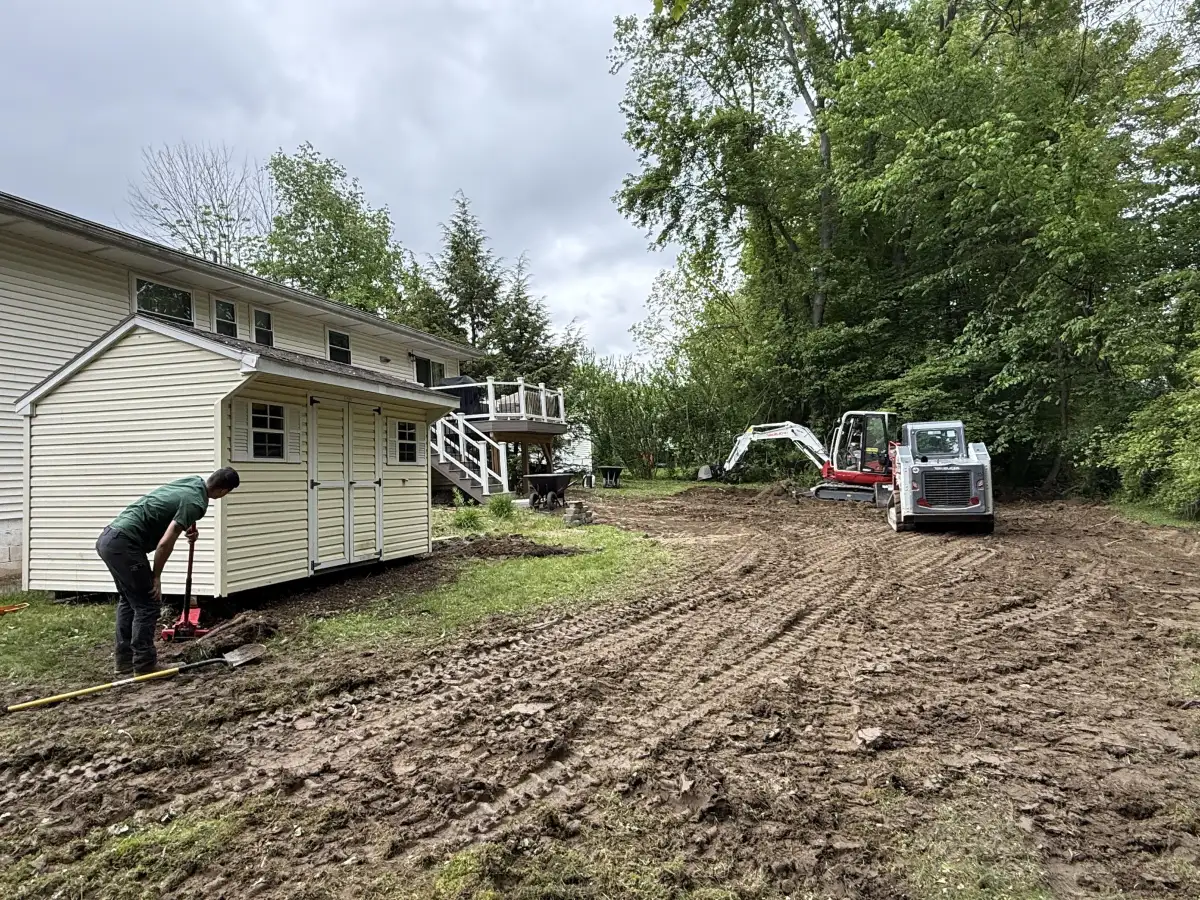
Excavation
Foundation digging, utility trenching, and site preparation.
Learn More →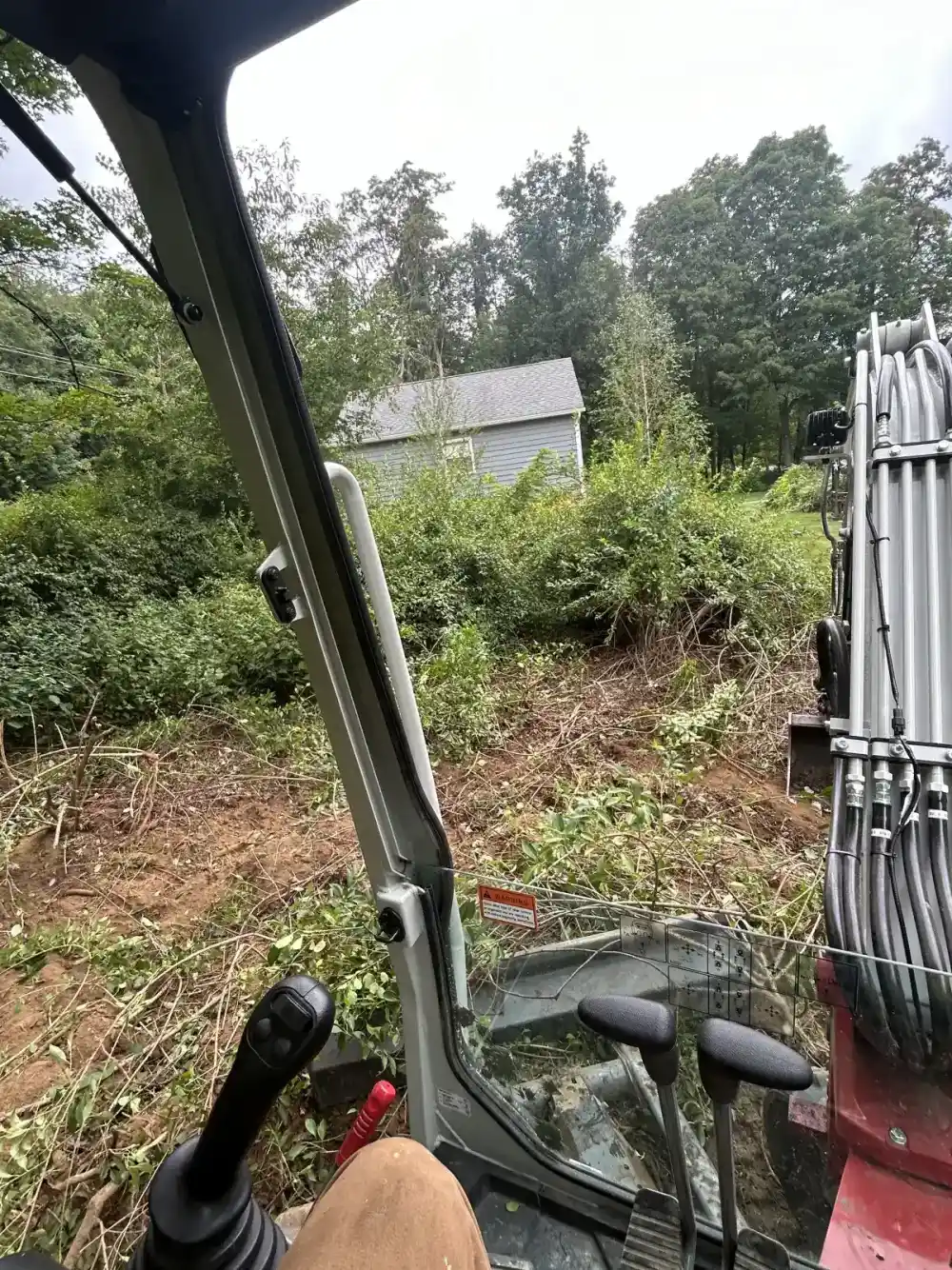
Land Clearing
Property regrading for drainage improvement.
Learn More →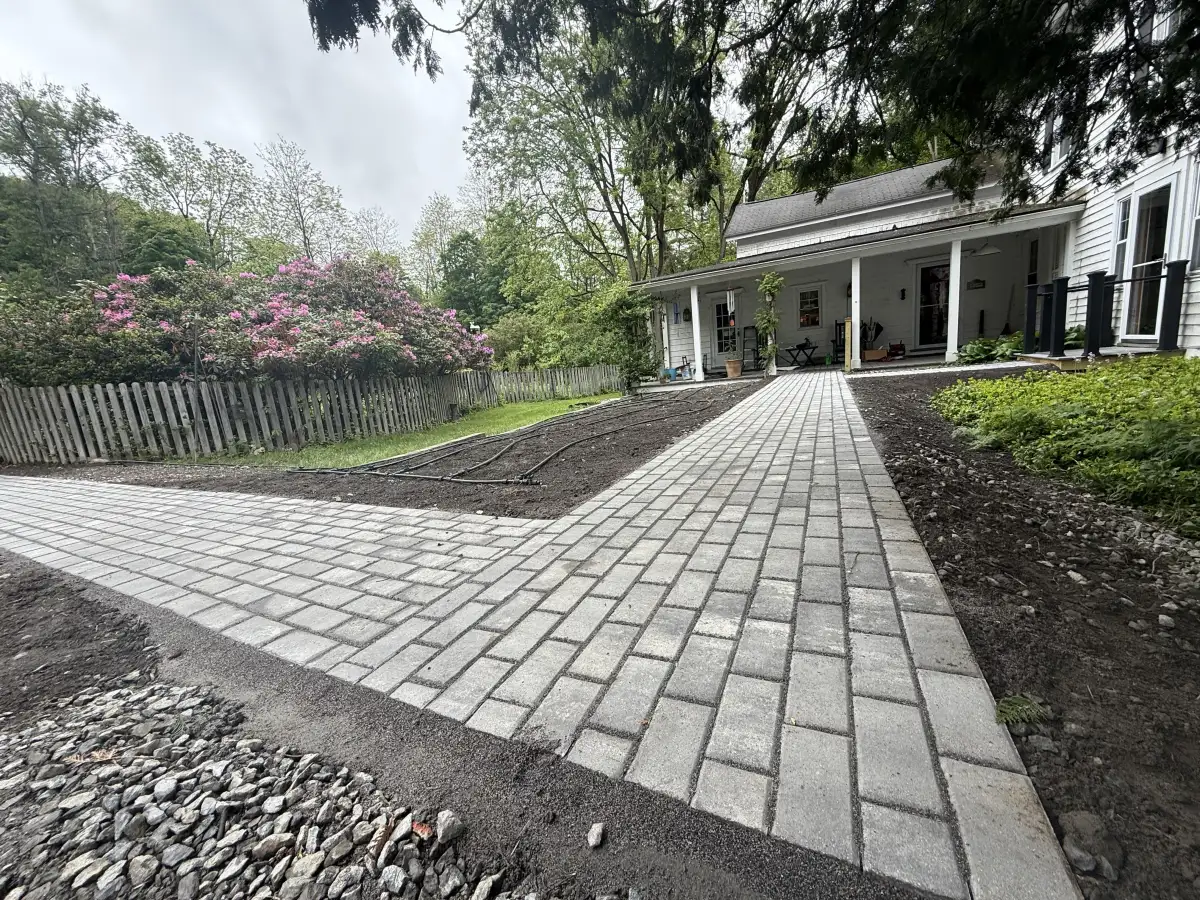
Hardscaping
Patios and retaining walls with integrated drainage.
Learn More →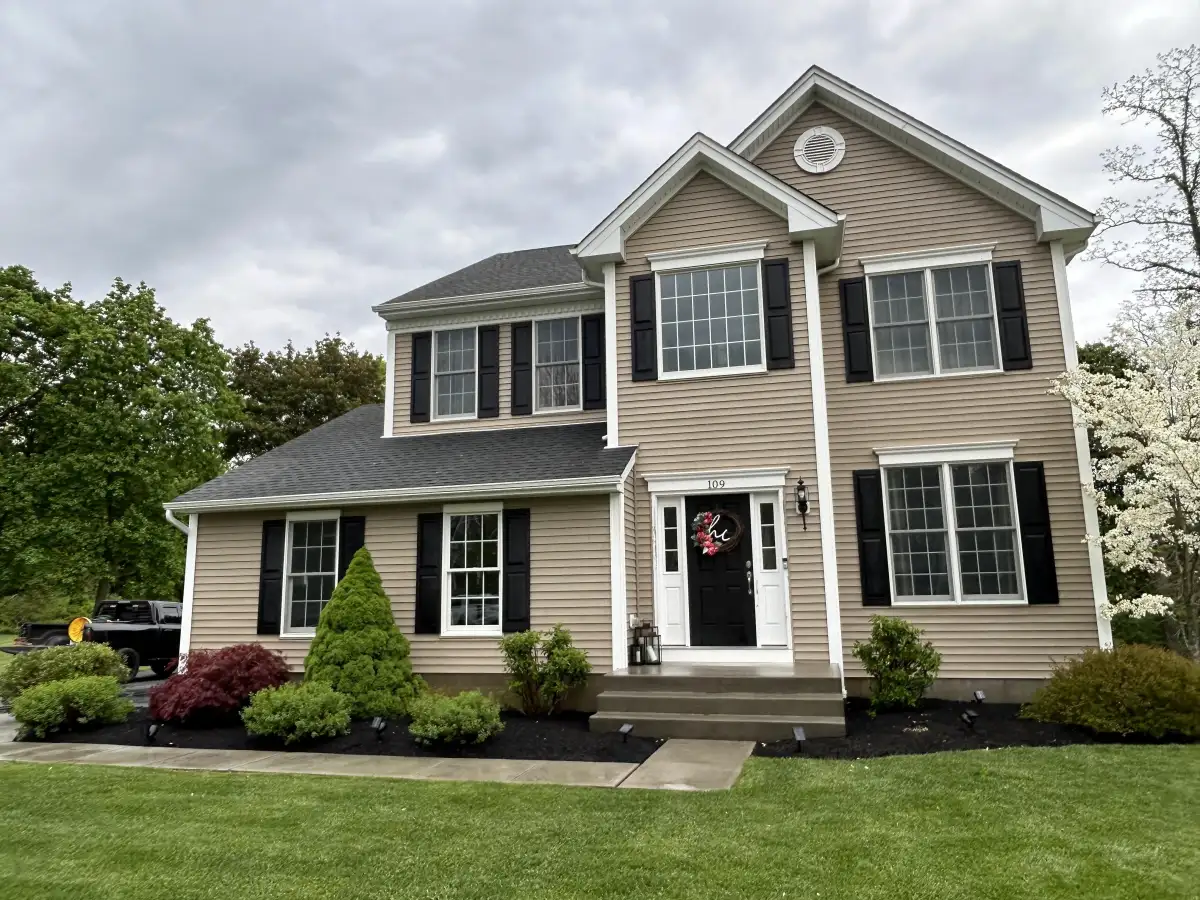
Landscaping
Yard restoration after drainage installation.
Learn More →