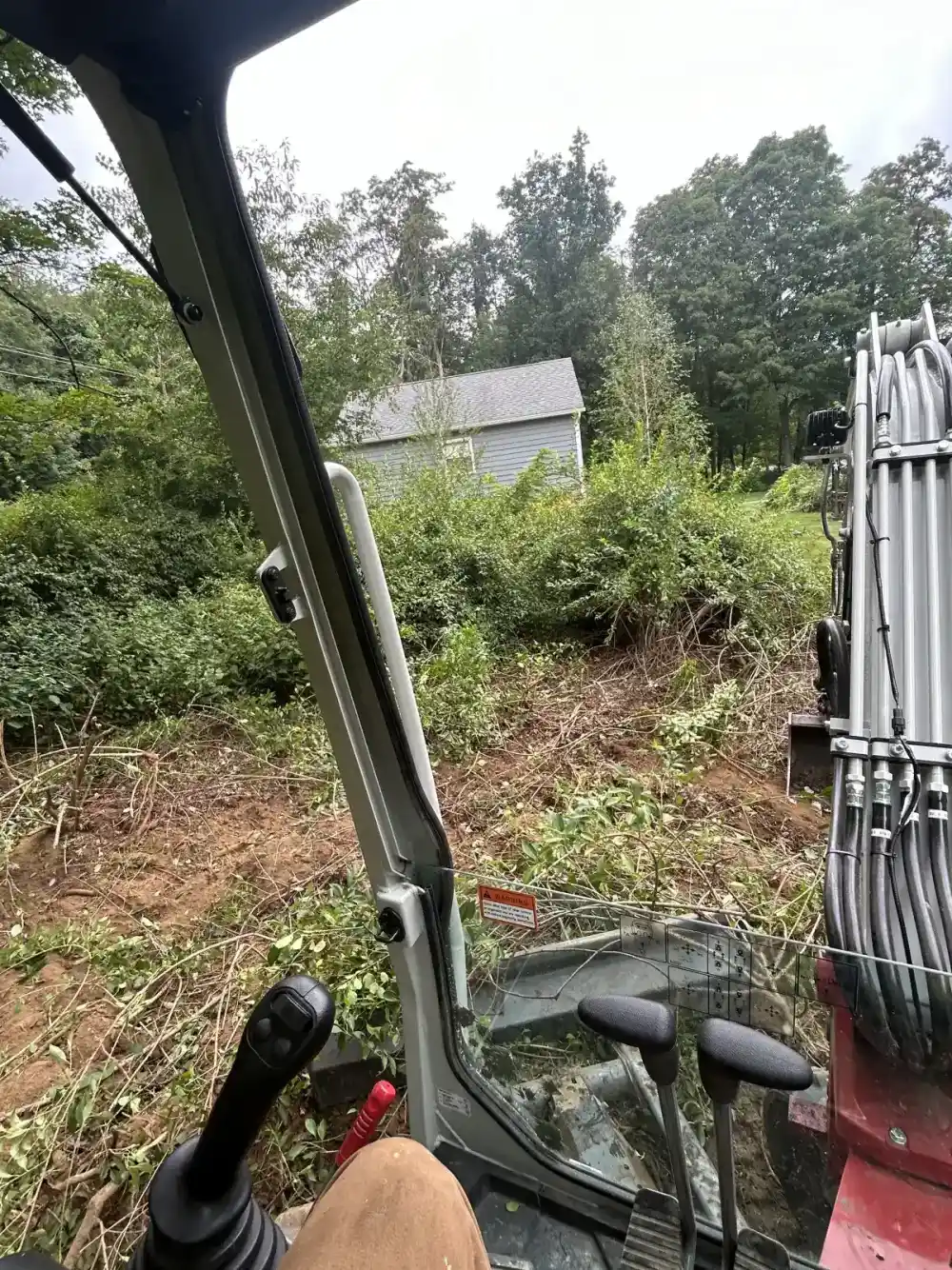
Tree Removal for Safety, Access, and Yard Recovery
A damaged or declining tree can present a hazard to people, buildings, vehicles, or utilities. Keep away from unstable trees and contact the appropriate qualified professional to assess the condition and response. For an immediate emergency or utility hazard, contact emergency services or the utility.
All American offers tree-removal work. The tree condition, access, surrounding structures, utilities, and disposal needs determine the appropriate assessment and removal approach. Confirm the scope and qualified parties before work begins.
Tree-removal planning depends on the tree, surrounding structures and utilities, access, and how debris will be handled. Have the condition and proposed work assessed by the appropriate professional. The scope should establish removal, protection, disposal, and restoration responsibilities.
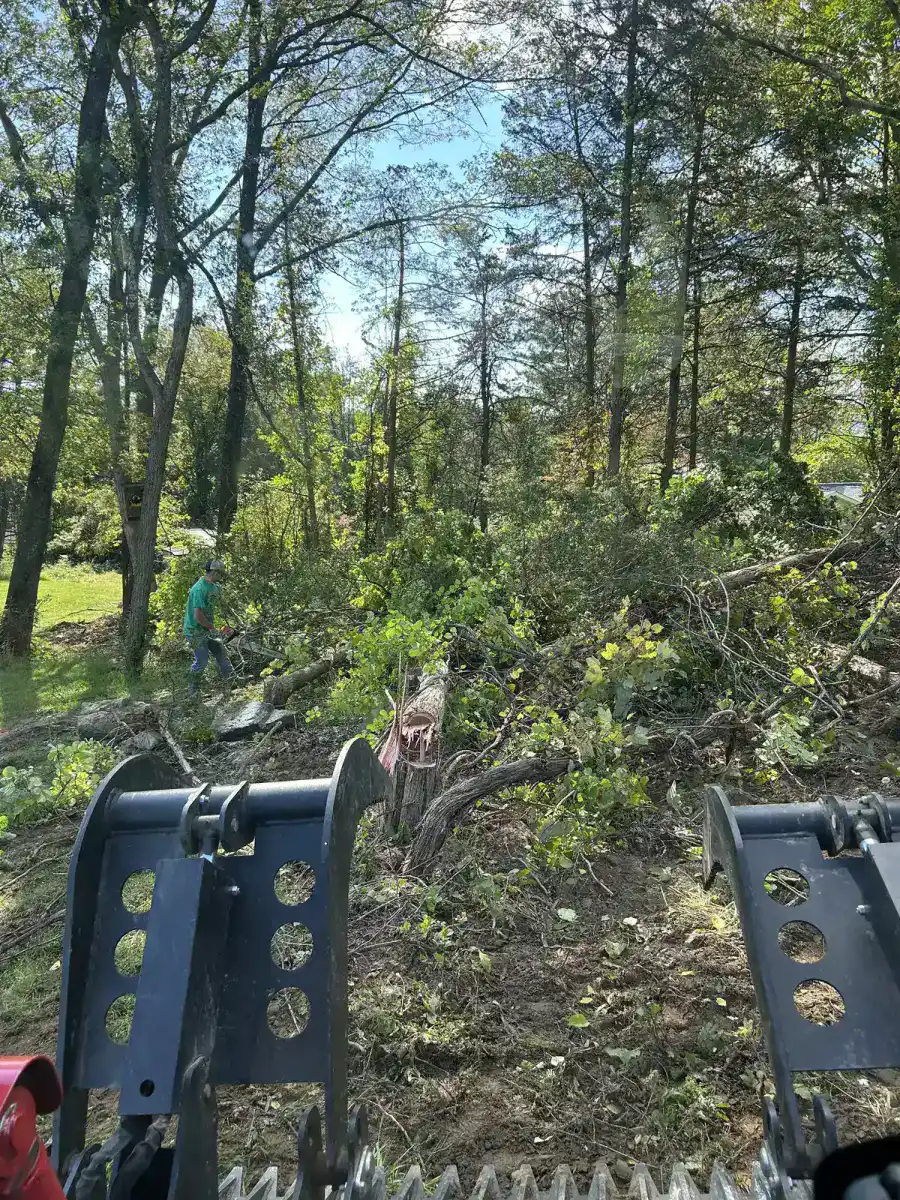
Safe Tree Cutting, Stump Work, and Storm Cleanup
Each removal plan is built around the tree's lean, access, nearby structures, and how the site should be left after the wood and debris are cleared.
Full Tree Removal
Tree-removal scope depends on condition, access, nearby structures, and the proposed approach. Confirm which cutting, debris handling, stump work, and restoration are included.
Stump Grinding
Stump grinding reduces the visible stump to an agreed finish. The remaining roots and material may affect future planting or construction, so explain the intended use and have the appropriate removal or preparation determined for that use.
Hazardous Tree Removal
Removing trees that are leaning toward structures, have major deadwood, split trunks, or compromised root systems. These require careful planning and controlled removal techniques.
Storm-Damaged Limbs and Trunks
Ask about current availability for storm-related tree and debris work. Keep clear of unstable trees and damaged utilities; contact the appropriate emergency service or utility for an immediate hazard.
Lot Clearing
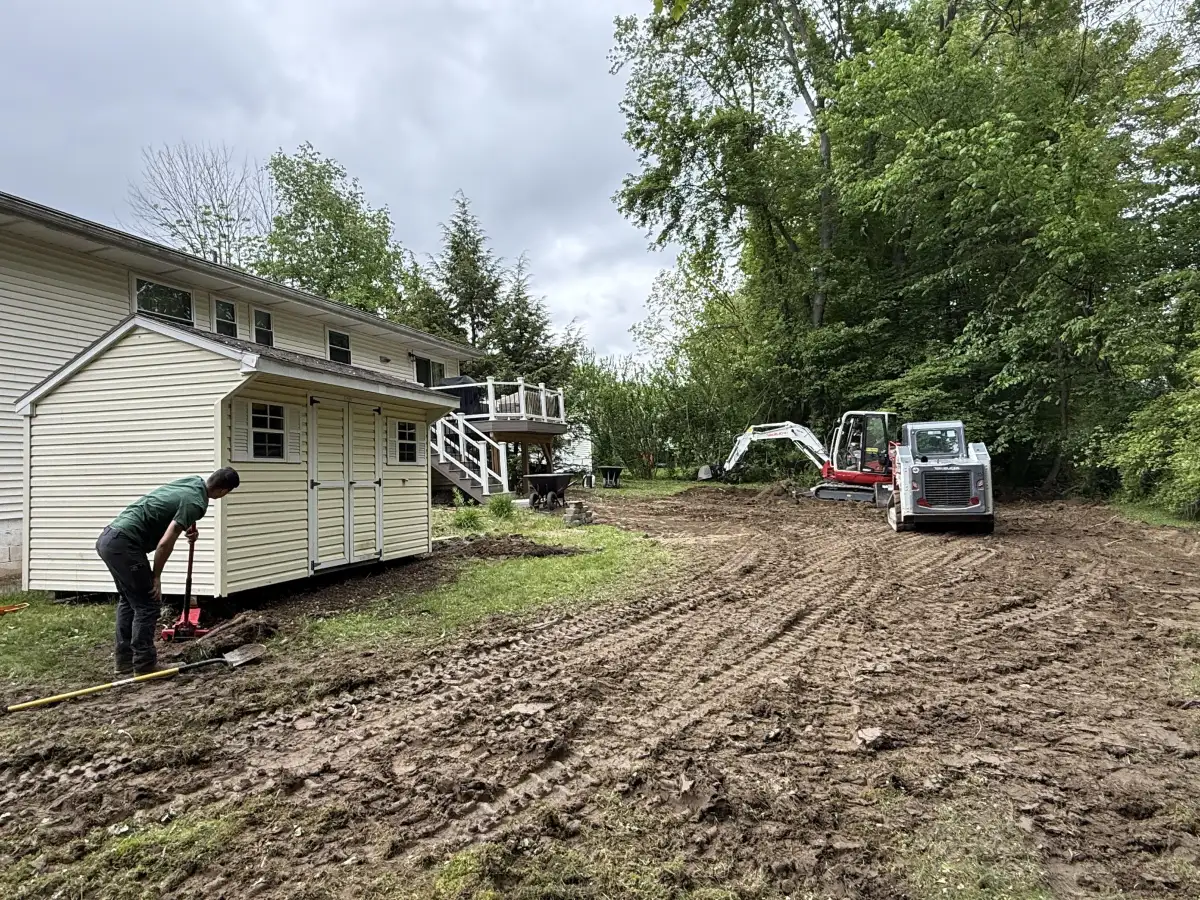
For a clearing or construction project, identify trees to retain or remove, protection limits, access, disposal, and the required finish. Confirm the appropriate equipment and responsible parties for the actual scope.
Brush Hauling and Wooded Edge Cleanup
Discuss removal of branches, brush piles, and other identified organic debris. Confirm the material, access, disposal, and intended finish of the area.
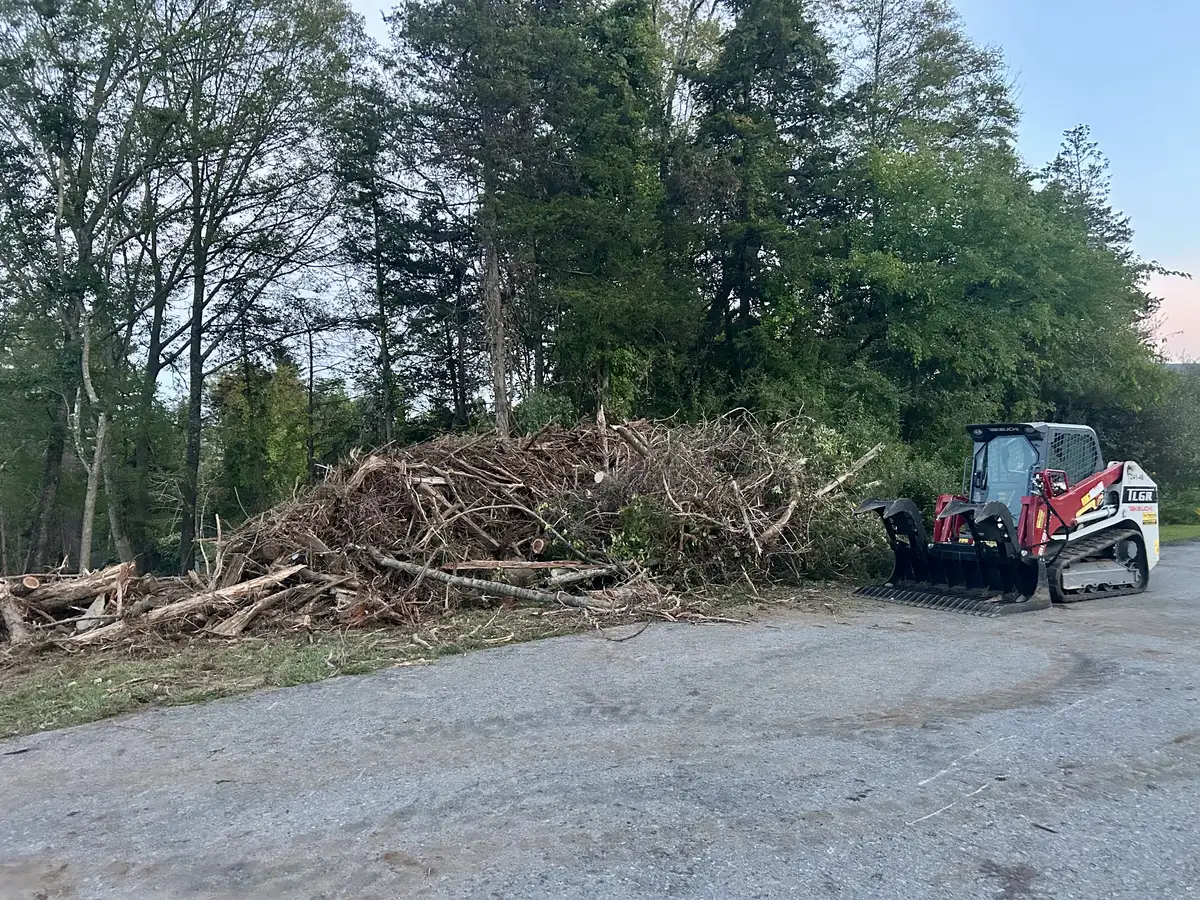
What Drives the Price of a Tree Removal
Request a written estimate for your property. These are the main factors to discuss during the site visit:
- Tree size, condition and nearby structures affect the removal plan.
- Access for equipment and space to lower branches influence the work.
- Power lines and other utilities require coordination before work begins.
- Hauling, cleanup, stump grinding and restoration should be clearly included or excluded.
Nearby structures, utilities, slopes, access, and the tree’s condition can affect the removal method and cost. Have the proposed work assessed and request a clear scope with protection, debris handling, and restoration identified.
How We Clear the Area and Restore Access
Assessment
Have the tree, surrounding hazards, access, and proposed work assessed by the appropriate professional. Establish protection, removal, disposal, and restoration responsibilities.
Preparation
Establish the work area, access, utilities, nearby features, and protection arrangements with the responsible professionals before tree removal begins.
Removal
The removal approach depends on the tree and site conditions. Confirm how wood, branches, and debris will be handled, including any on-site processing, retained material, or haul-off included in the proposed scope.
Cleanup
Confirm debris handling, stump work, and restoration separately in the proposal. The included finish should be clear before removal begins.
Tree Removal FAQ
Requirements depend on the municipality, property, tree, and proposed work. Protected areas, permit conditions, and other restrictions may apply. Confirm the applicable rules and who handles any approval before removal; an estimate should not be treated as permission to cut.
Dead or hanging branches, a new lean, splits, visible decay, or recent root disturbance warrant a professional assessment. They do not establish remotely whether removal is necessary. Keep people away from an apparent hazard and describe the condition when requesting help. Contact the utility or emergency services where power lines or immediate danger are involved.
Trees near buildings need an assessment of condition, access, surroundings, utilities, and the removal approach. Ask who will perform the work, how the site will be controlled, and what protection and cleanup are included. A proposed technique cannot guarantee that nearby property is free of risk.
Confirm whether the proposal includes hauling, chipping, cutting material to retain, stump work, and final cleanup. Tell us if you want usable wood left on site and where it can be placed. Handling retained firewood can affect the scope and should not be assumed to be included at no charge.
Call to describe storm damage and ask about current availability. Keep away from unstable trees and fallen branches, and do not approach damaged power lines. Contact the utility or emergency services for an immediate hazard. A website request does not confirm emergency dispatch or a guaranteed response time.