

Investigate the Source of Basement Water
A footing drain is part of a foundation’s water-management system. Its role is to collect water near the footing and carry it toward an appropriate outlet or pumping arrangement. Before choosing a repair, establish how water is reaching the basement and what the existing system does.
Basement moisture can have several causes, including roof runoff, surface drainage, plumbing leaks, or problems with below-grade water management. Damp walls or standing water deserve an assessment; they do not identify one failed component by themselves.
Foundation drainage work starts with finding how water reaches the basement. The repair scope may include exterior excavation, drainage replacement, wall treatment and surface restoration, depending on the condition of the foundation and existing system. Request a written estimate describing the proposed work and discharge route.
For background on investigating moisture sources, see the Building America Solution Center’s basement assessment guidance.


Moisture Signs That Deserve an Assessment
Footing drain problems develop gradually, often over years. Here are the warning signs that your foundation drainage needs attention:
- Water seeping through basement walls during or after rain
- Damp, musty smell in the basement even during dry weather
- White mineral deposits (efflorescence) on basement walls
- Mold or mildew growth on basement walls or stored items
- Standing water in the basement after heavy storms
- Cracks in foundation walls with moisture coming through
- Sump pump running constantly or unable to keep up
Persistent moisture deserves a site assessment. Identify how water is reaching the foundation before deciding whether a footing drain repair, surface-water correction or another approach is appropriate.
Footing Drain Costs in Dutchess County
A useful estimate starts with the actual property and the work required. Discuss these factors during the site visit:
- Exterior foundation drainage: excavation depth, access and the condition of the existing system affect the scope.
- Partial repairs: the water source and condition of the connected system determine whether a focused repair is suitable.
- Waterproofing: wall condition, exposure and the selected treatment affect preparation and cost.
- Discharge and pumps: outlet options, elevation, power and maintenance access need assessment.
Request a written, site-specific estimate that identifies preparation, materials, access, restoration and any exclusions.
Foundation Drain Work From Dig to Discharge
Assessment
Bring photographs of the affected areas and notes about when water appears. The assessment should consider the foundation, existing drainage, ground levels, access and available discharge options.
Excavation
If the proposed repair requires exterior excavation, establish the working area, utility locations, foundation conditions, and protection of nearby surfaces before digging.
Installation
Identify the drainage work, discharge arrangement, and restoration in the proposal. If wall treatment or pump work is needed, confirm who will assess and perform that scope before construction.
Restoration
Agree which planting, lawn, paving, or other surfaces will be disturbed and how they will be restored. The restoration scope should be part of the estimate.
Footing Drain FAQ
Complete Drainage Solutions
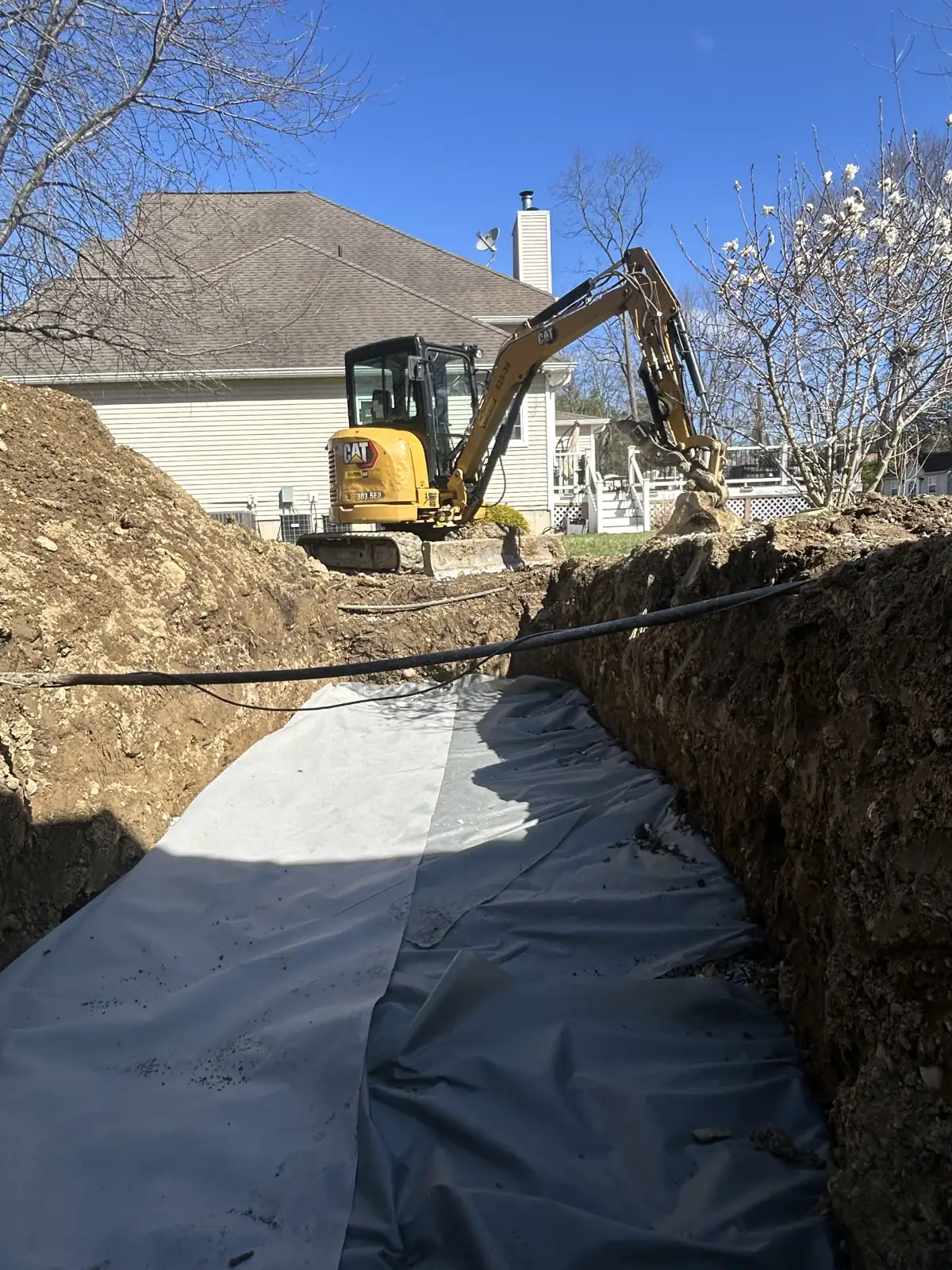
French Drains
Yard drainage to complement foundation protection.
Learn More →
Drainage Solutions
Assess the water source and compare suitable drainage options.
Learn More →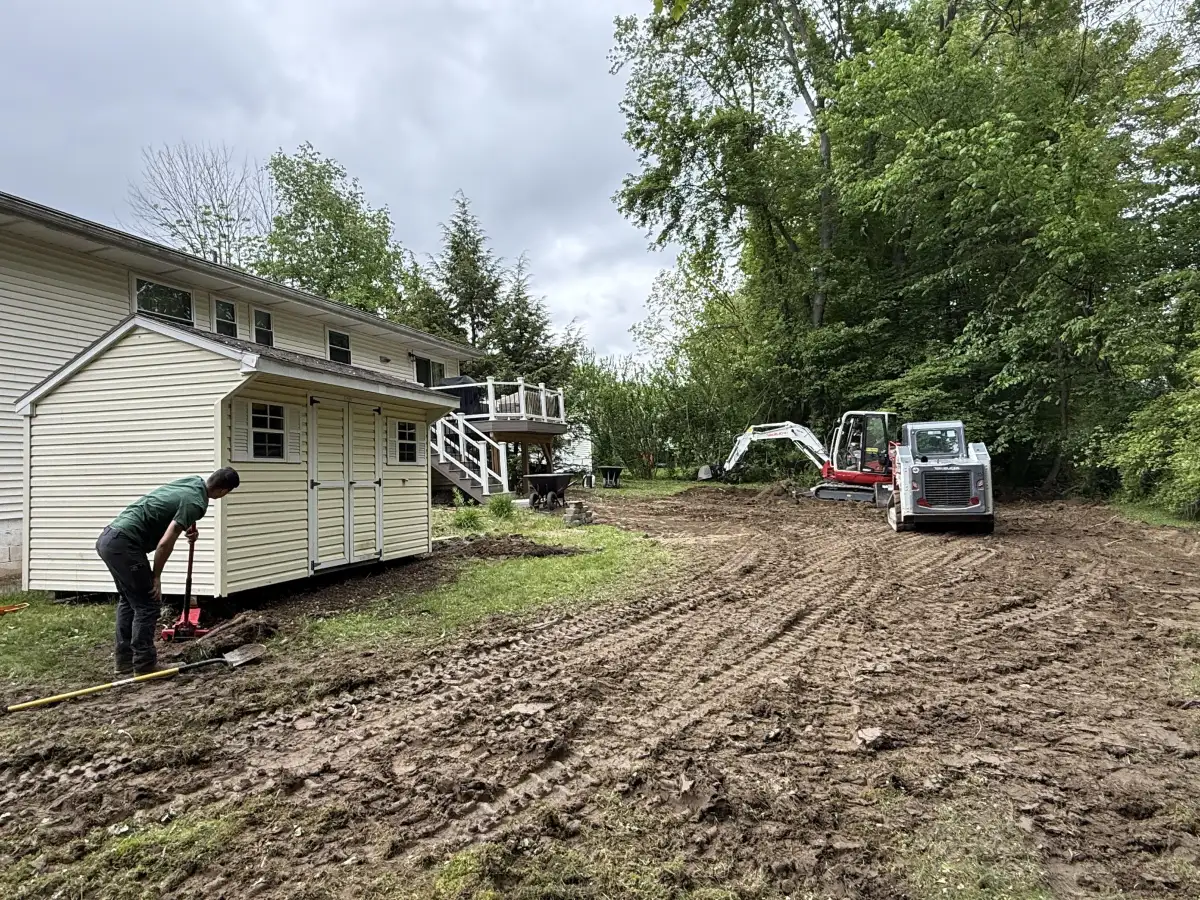
Excavation
Deep excavation for foundation-level drainage work.
Learn More →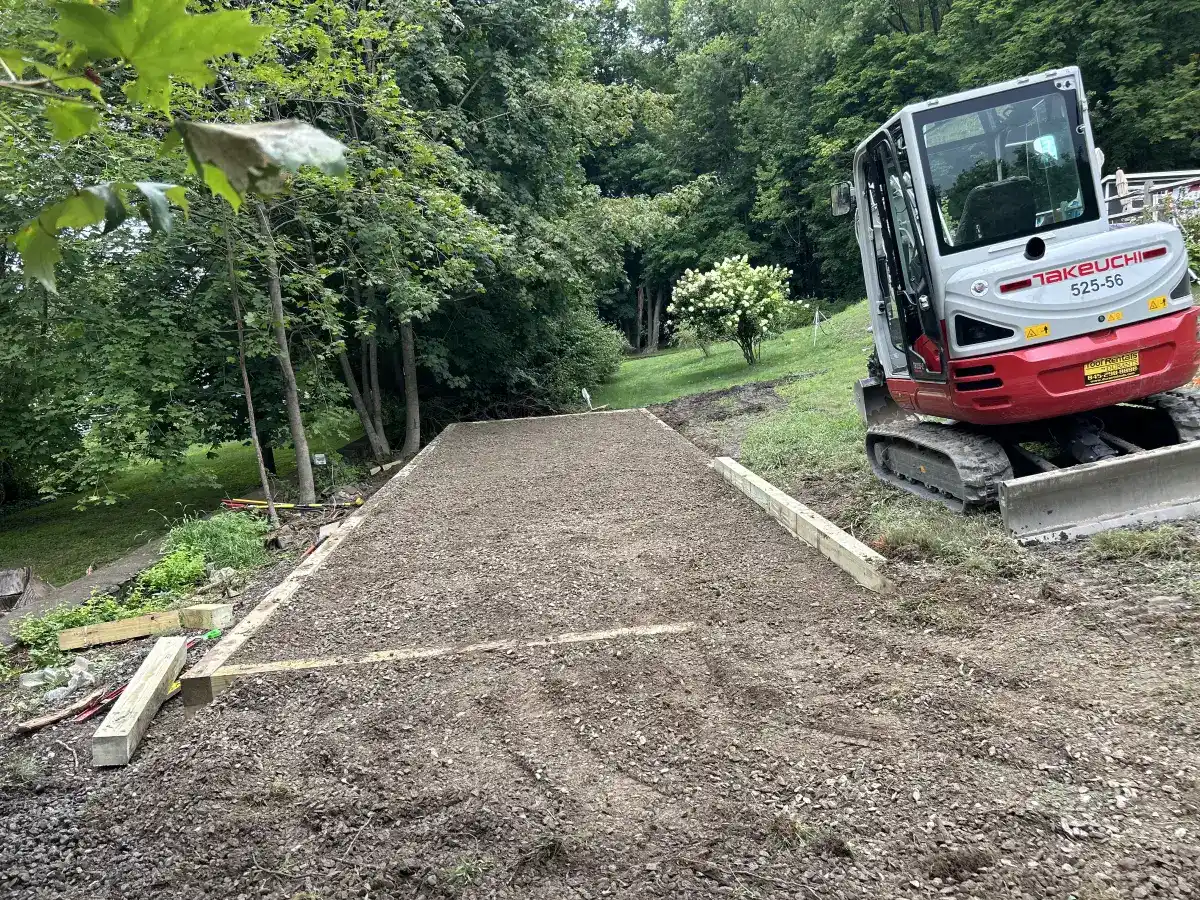
Grading
Surface grading to direct water away from foundations.
Learn More →