
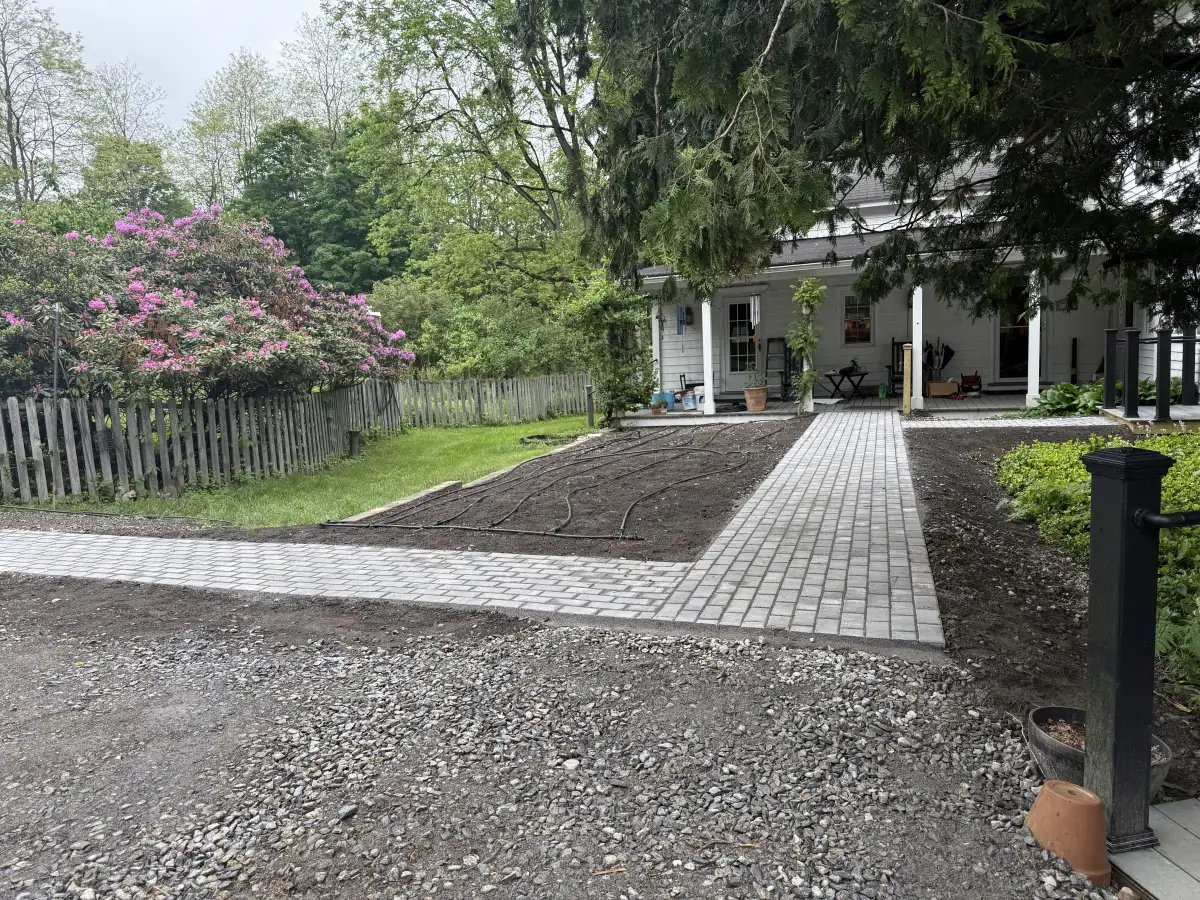
Walkways That Welcome You Home
A front walkway is the first thing visitors see when they arrive at your home. A cracked concrete path or muddy trail across the lawn sends the wrong message. A well-built paver or stone walkway says the homeowner takes pride in their property -- and it makes the trip from driveway to front door safer in every season.
A useful walkway connects the places you use without awkward turns, steps, or narrow spaces. Choose the route, width, surface, and transitions together. Preparation and installation should follow the selected paving system and the actual ground, drainage, and intended use.
All American offers walkway work for front approaches, garden paths, and connections around the yard. Share how you use the route and the surfaces you want to connect. Compare the layout, paving, supporting construction, finish details, and care for your home.
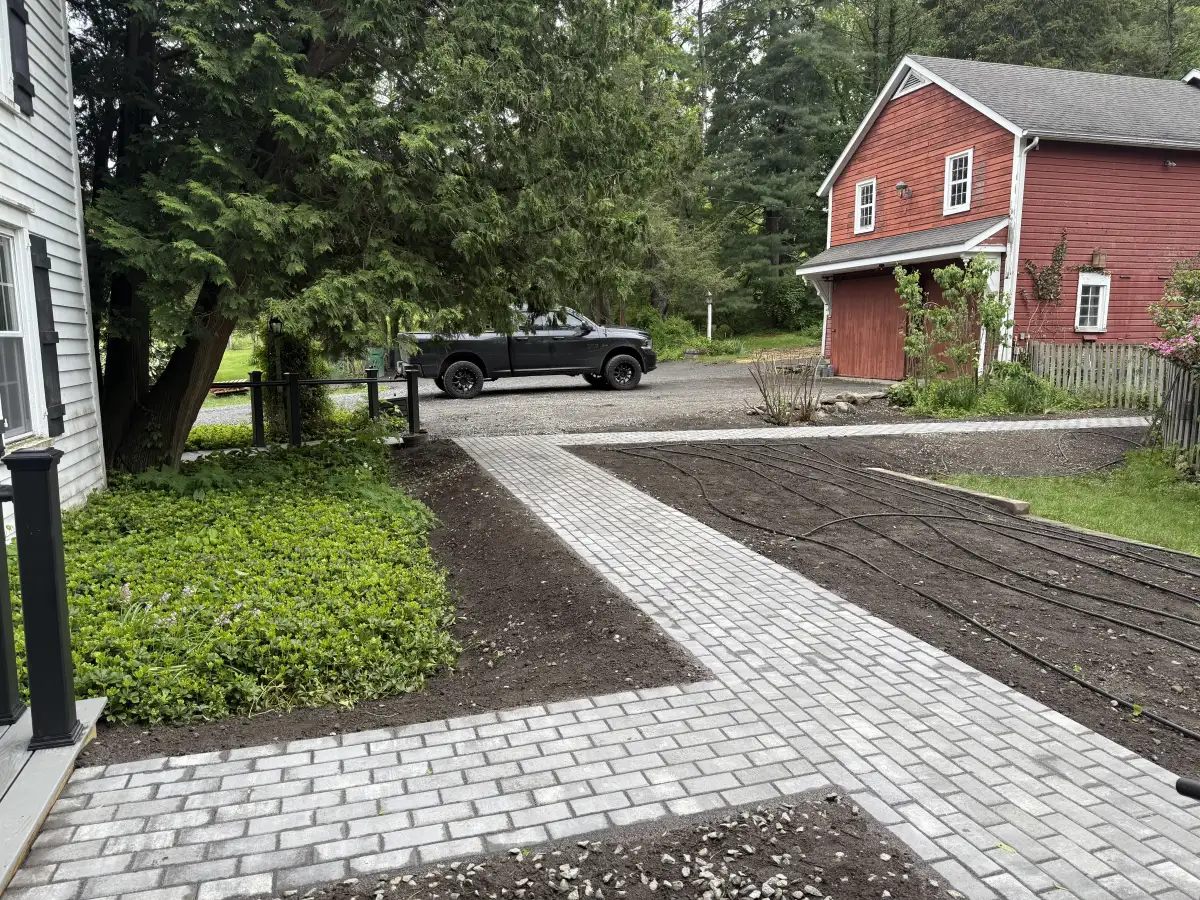
Walkway Materials and Layout Choices
From formal front entries to casual garden paths, we match the walkway style to your home and landscape.
Paver Walkways
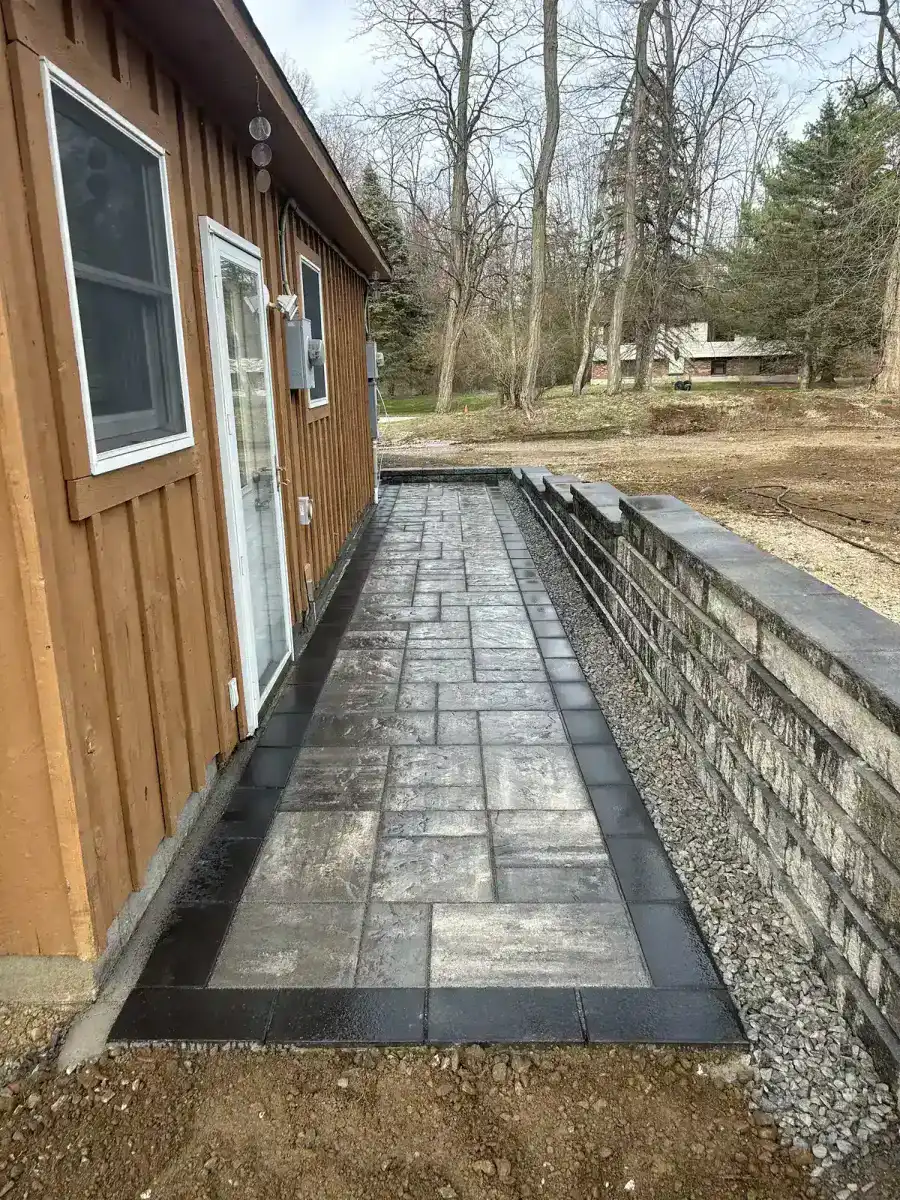
Concrete pavers offer different patterns, colors, and textures for front approaches and paths. Compare actual samples and the proposed construction for your route.
Natural Stone Walkways
Bluestone, flagstone, and fieldstone walkways that provide a timeless, organic look. Their varied shapes and textures can complement traditional architecture and informal planting.
Stepping Stone Paths
Individual stones set in gravel or lawn for a casual garden path. A spaced route between garden areas, sheds, and side yards, with the gaps and footing chosen for the people using it.
Stamped Concrete Walks
Stamped concrete can create patterns resembling stone or brick. Compare the selected finish, joints, supporting construction, care requirements, and project price with the other paving options.
Walkway & Step Combos
Walkways with integrated stone or paver steps for properties with grade changes between the driveway, front door, and backyard areas.
Walkway Repair & Replacement
Replacing cracked concrete, re-leveling sunken pavers, and rebuilding walkways that have shifted due to frost heave or tree root damage.
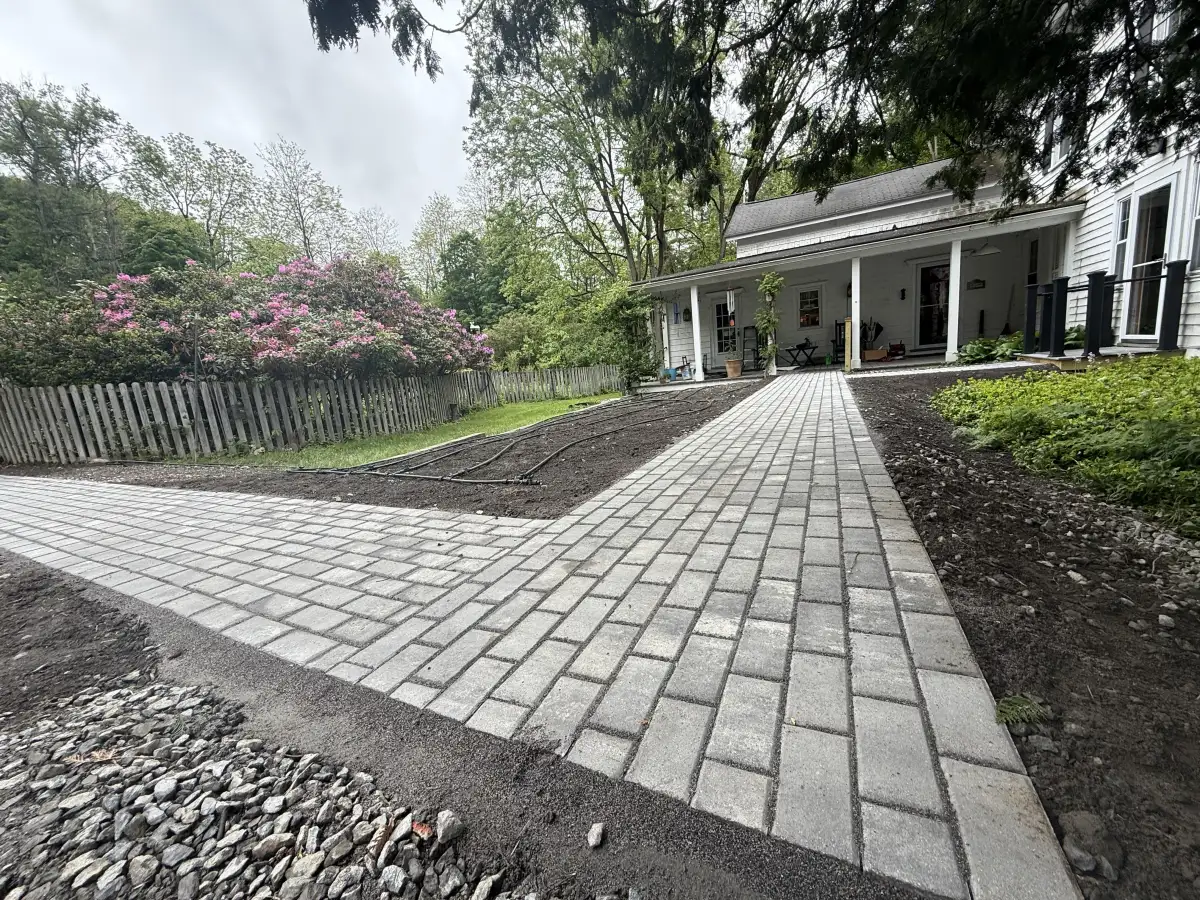
How a New Walkway Adds Value
A walkway can give the approach to your home a more deliberate shape. Connect the front door, driveway and garden with a route that suits everyday use and the appearance of the house. A particular resale return is not guaranteed.
Changes in level, damaged paving and water movement deserve attention when planning a route. Have the project team assess existing conditions and the proposed transitions. The selected surface and its care are part of that review; no walkway eliminates every slip risk.
- Creates a more considered approach to your home
- Address damaged paving and changes in level along the route
- Review water movement and winter care for the walking surface
- Connects outdoor living spaces for better flow and function
- Compare paving colors and textures with your home
- Choose materials and a care plan suited to the intended use
What Affects Walkway Pricing
Walkway cost depends on the dimensions, selected paving, supporting construction, access, removal, and restoration. Use these factors to compare the scope for your actual route.
- Paver walkways: compare the field pattern, border and transitions to adjacent surfaces.
- Natural stone walkways: review the proposed stone, finish and laying arrangement in the context of the path.
- Stepping stone paths: consider the people using the route and whether separate units suit that use.
- Stamped concrete walkways: identify the proposed finish and the complete construction scope.
- Old walkway removal: include removal, hauling and restoration in the estimate where required.
Request a free estimate for your walkway. Compare the proposed materials, dimensions, supporting construction, cleanup, exclusions, and how changes would be handled.
Walkway Base Prep, Pitch, and Finish
Design & Estimate
Discuss the layout, dimensions, material options, access, and intended use. Request an estimate that identifies preparation, installation, finish work, and exclusions.
Excavation & Base
The walkway plan identifies excavation, supporting layers, edges, and drainage for the selected paving system and site conditions.
Installation
Paving placement, cutting, borders, and joints should follow the selected material and design. Compare how the proposed surface meets curves, doors, steps, and existing features.
Cleanup & Sealing
Confirm finishing, any specified treatment, edge restoration, cleanup, and when the selected installation may be used. Follow its care and curing requirements.

Walkway FAQ
Choose the width from how the route will be used, including people passing, mobility needs, doors and gates, deliveries, and its connection to steps or landings. A front entrance and a side-yard maintenance route may have different needs. Check applicable accessibility and site requirements before finalizing the layout.
The walkway’s length and shape are only part of the schedule. Removal, access, excavation, supporting construction, drainage, cuts, borders, steps, and restoration also matter. Confirm material availability and the planned sequence for your route before agreeing on installation dates.
Pavers and poured concrete offer different appearance, installation, maintenance, and repair options. Individual pavers can often be replaced, while both systems still depend on sound supporting construction and drainage. Compare the proposed products, finish, joints, site conditions, and written quotes rather than assuming one material always costs less or performs better.
An old concrete path can be assessed for removal and replacement with a paver walkway. The proposal should identify demolition, hauling, ground preparation, drainage, paving, borders, and the transitions to doors, steps, or existing surfaces. Removal and site conditions need review before a reliable price is set.
Clear debris and monitor the walkway for changed drainage, displaced units, loose joints, and trip hazards. Follow the actual paver and joint-product care instructions for cleaning and any sealing. Address the cause of movement or water problems rather than treating a new coating or joint fill as a universal repair.
Outdoor Work Around a New Walkway
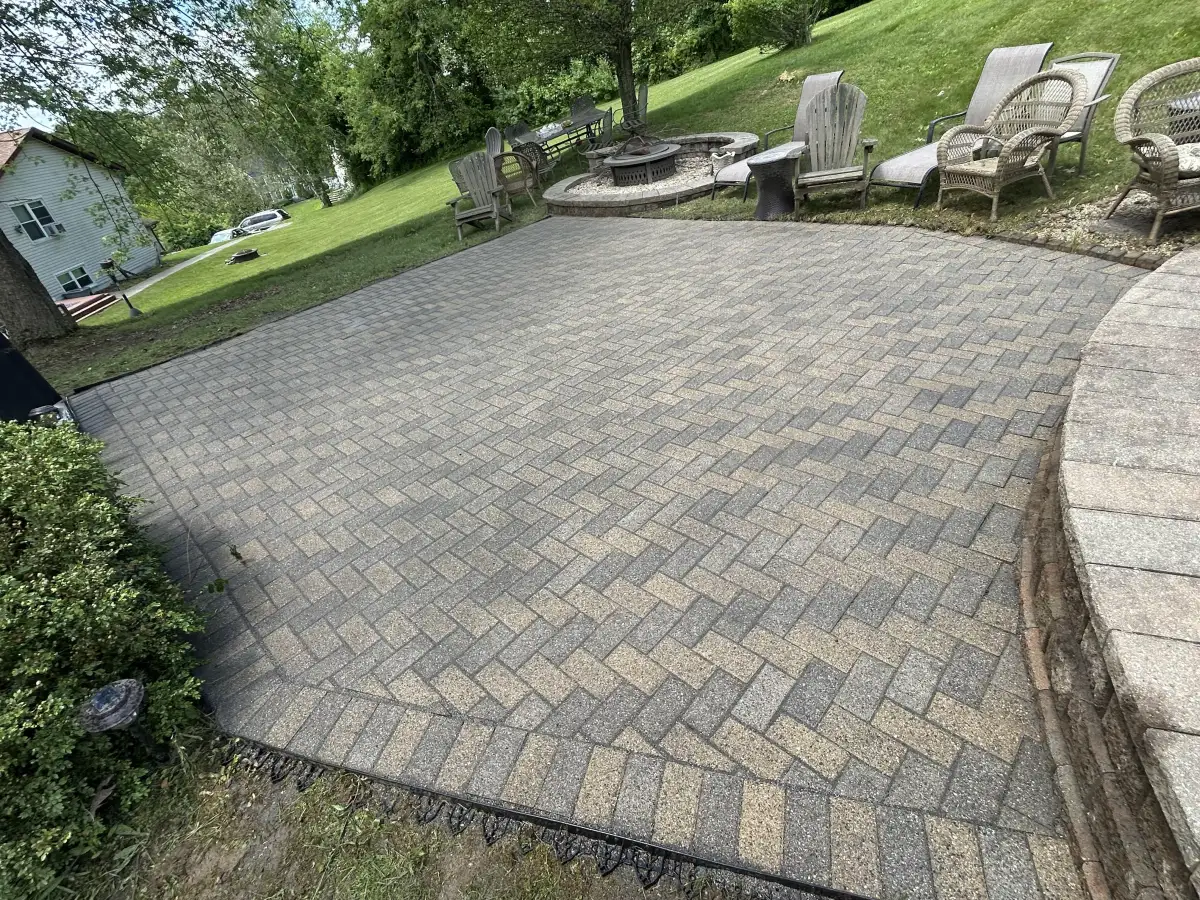
Patios
Paver and stone patios for outdoor living and entertaining.
Learn More →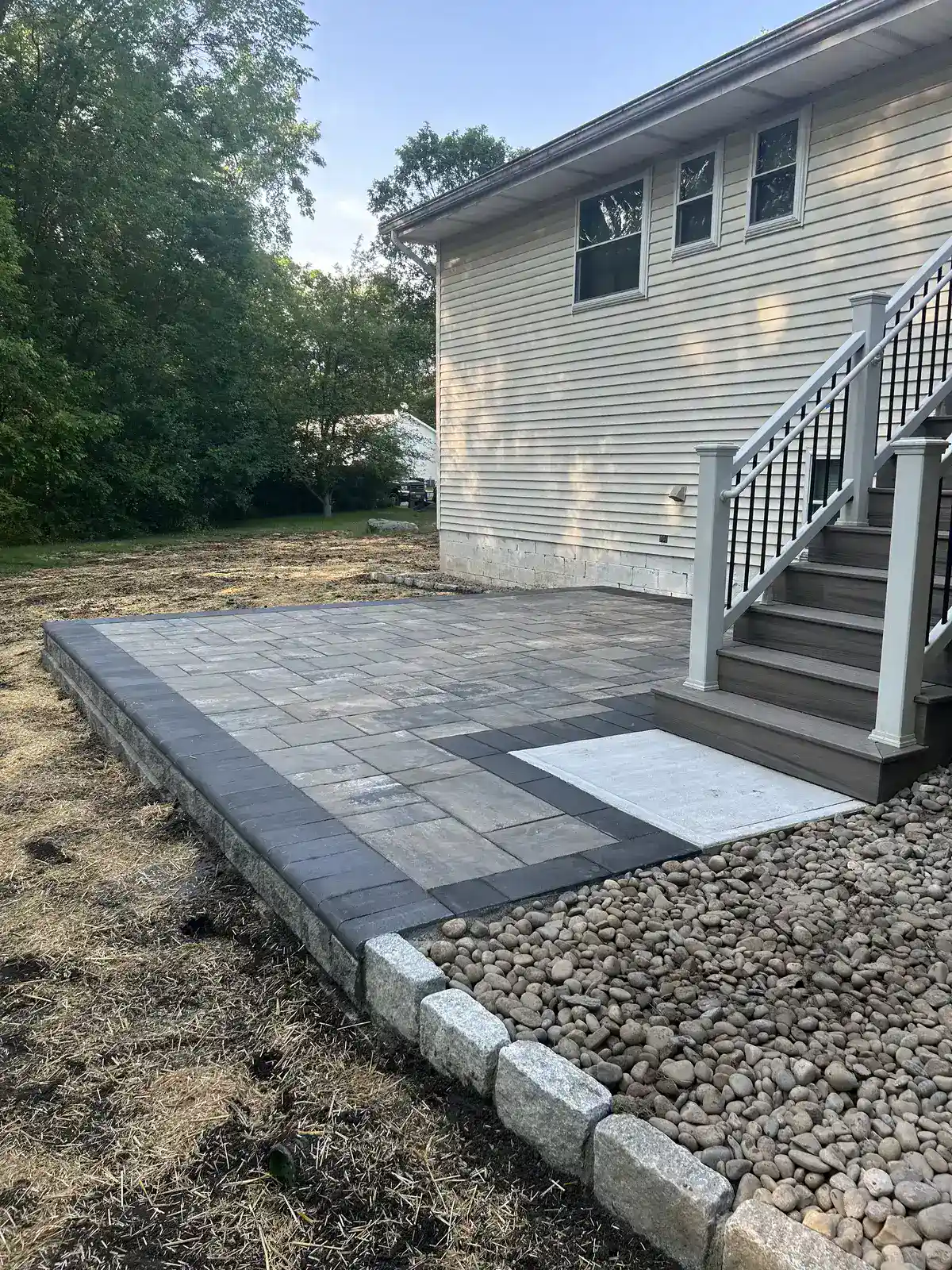
Hardscaping
Full hardscape design: walls, patios, fire pits, and more.
Learn More →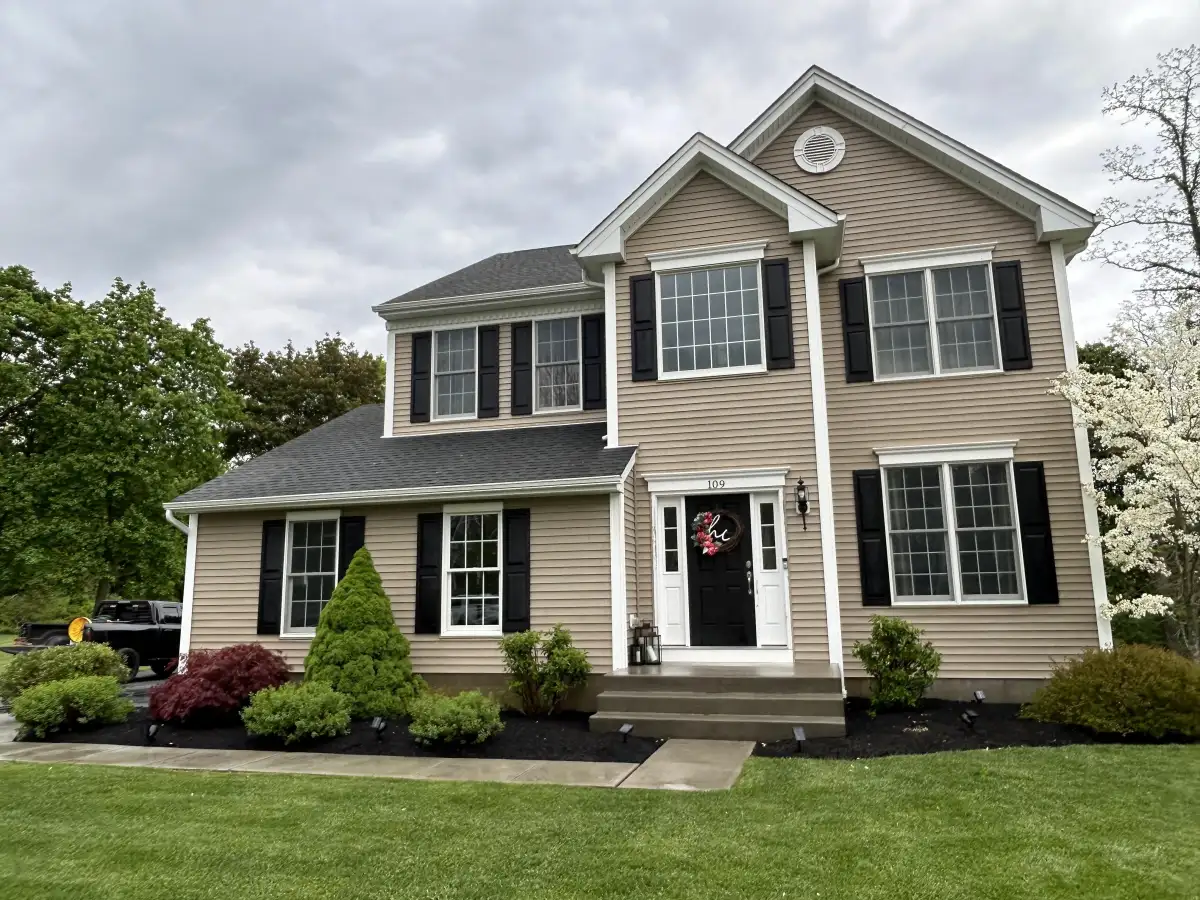
Landscaping
Plantings and garden beds to complement your new walkway.
Learn More →Pressure Washing
Restore existing walkways and outdoor surfaces.
Learn More →