
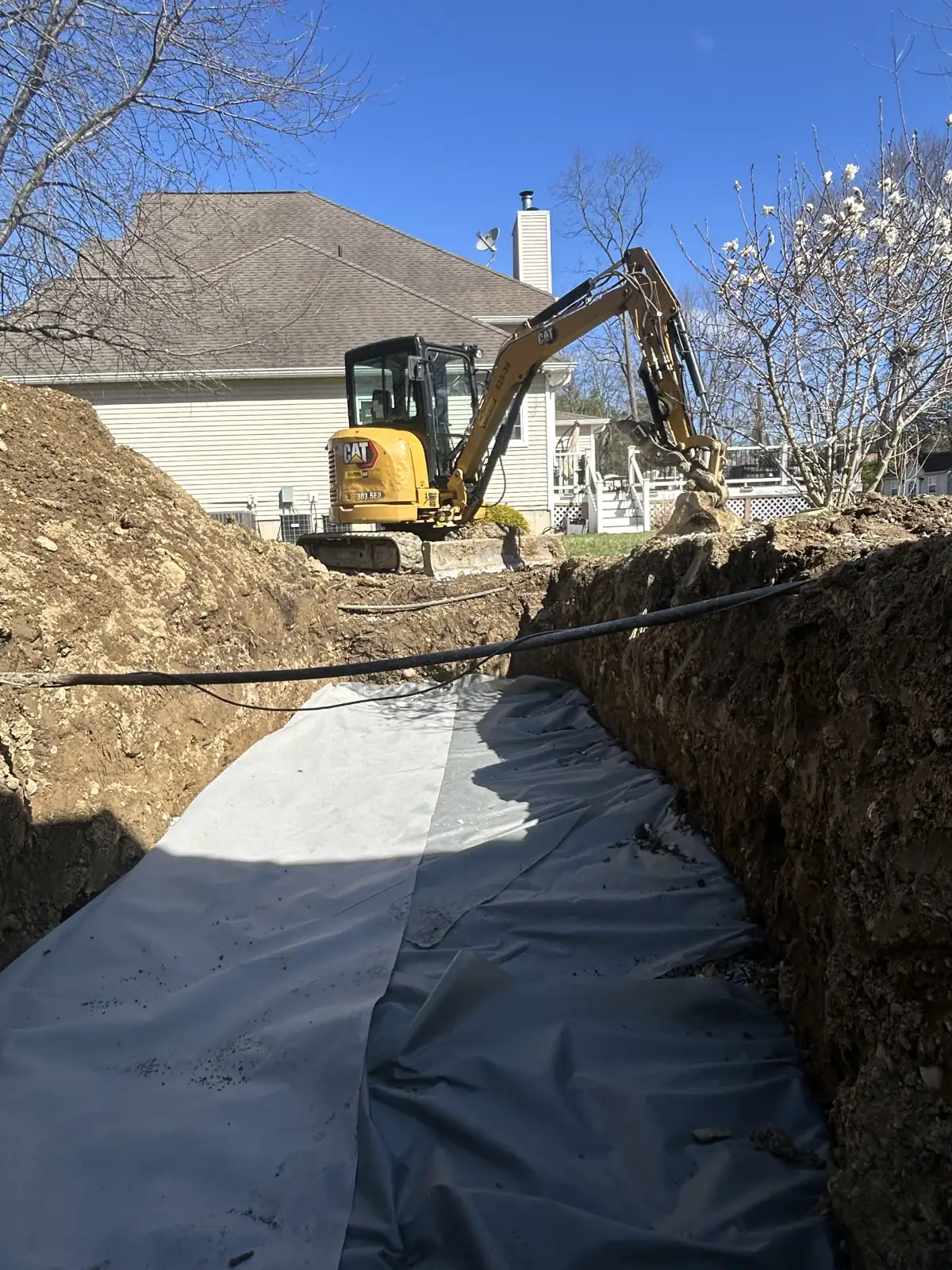
Find the Right Drainage Route for Your Yard
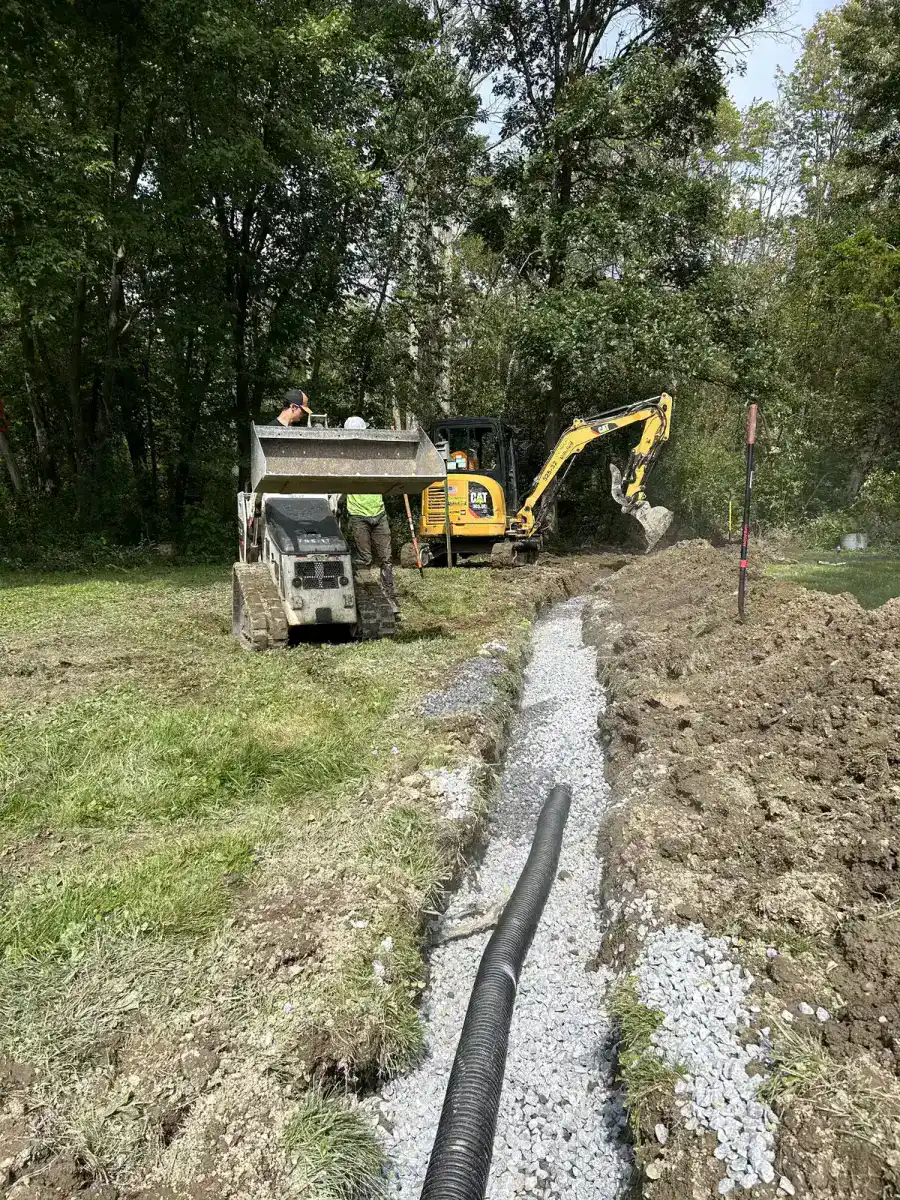
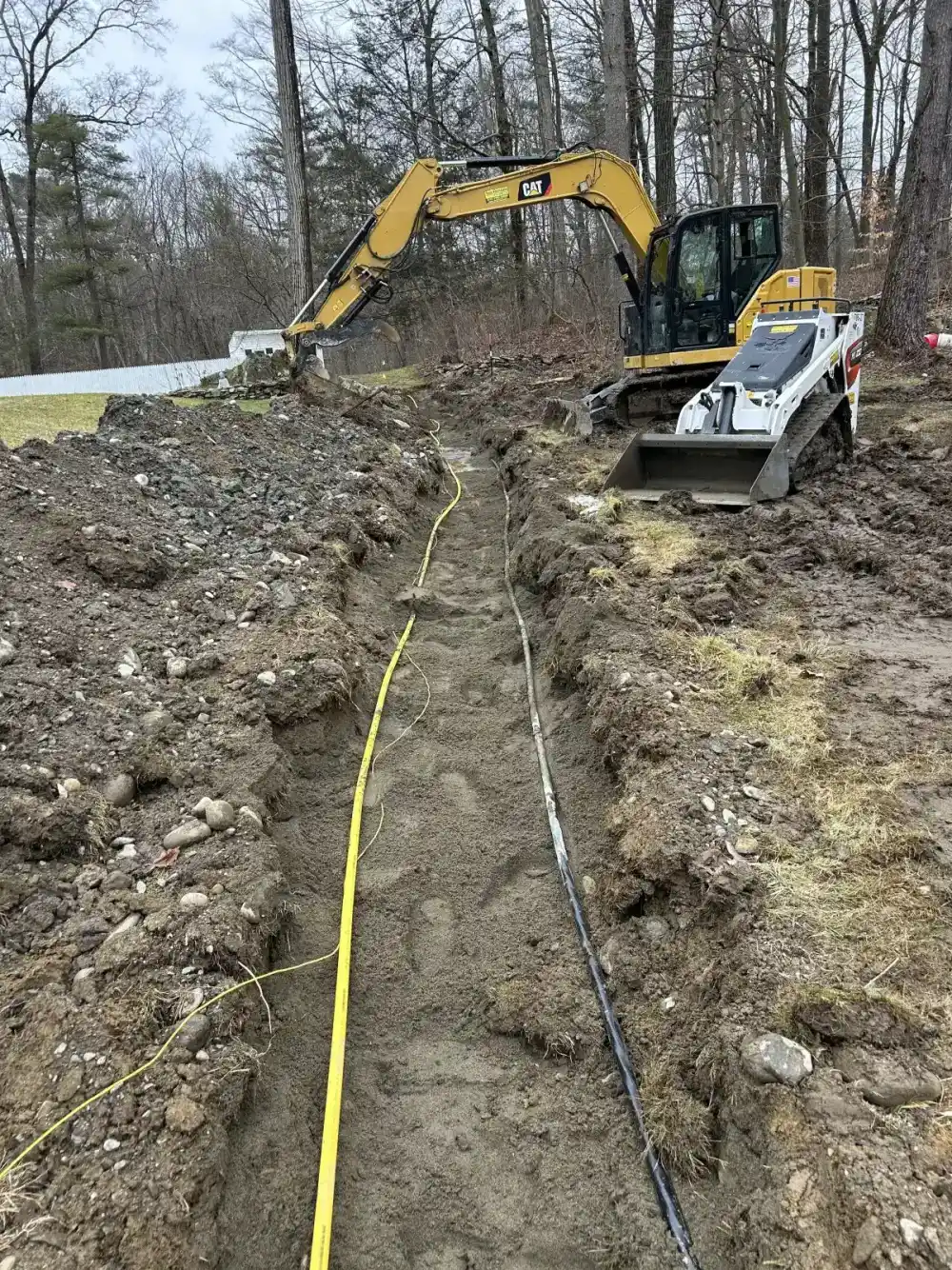
A French drain collects water along a drainage trench and routes it toward a suitable discharge point. It may be an option for some wet areas, but the source of the water, soil conditions, grade and available outlet determine whether it belongs in the plan.
A French drain must suit the water source, soil and available discharge point. Pipe, aggregate, filtration, depth and grade should be selected for those conditions. Maintenance access and a suitable outlet also matter.
For a drainage estimate, bring photographs or video taken when the problem occurs and point out affected lawn, paving or foundation areas. Discuss the proposed collection route, outlet, maintenance access and restoration before agreeing to an installation.


What a Yard Drainage Plan Should Establish
Begin with the water source and the proposed route for discharge. A drainage design should identify the following details for the actual property, rather than apply one trench recipe to every yard:
- Trench dimensions established from the water source, soil, utilities and discharge plan
- Filtration requirements suited to the surrounding soil and selected drainage system
- Pipe and filtration selected for the design and surrounding soil
- Drainage aggregate and cover specified for the selected system and surface use
- Grades and the full water path established for the site-specific design
- A suitable discharge arrangement with any required permission or approval
Aggregate and filtration must work together with the surrounding soil and selected drain system. Discuss material specifications, maintenance access and surface restoration in the proposal.
French Drain Costs in Dutchess County
French-drain planning starts by tracing where water enters, how it crosses the yard, and where it can be discharged without shifting the problem elsewhere. Discuss these factors during the site visit:
- Drain length and depth: the water source, grade and available outlet shape the design.
- Excavation: access, buried utilities, roots, rock and existing improvements affect preparation.
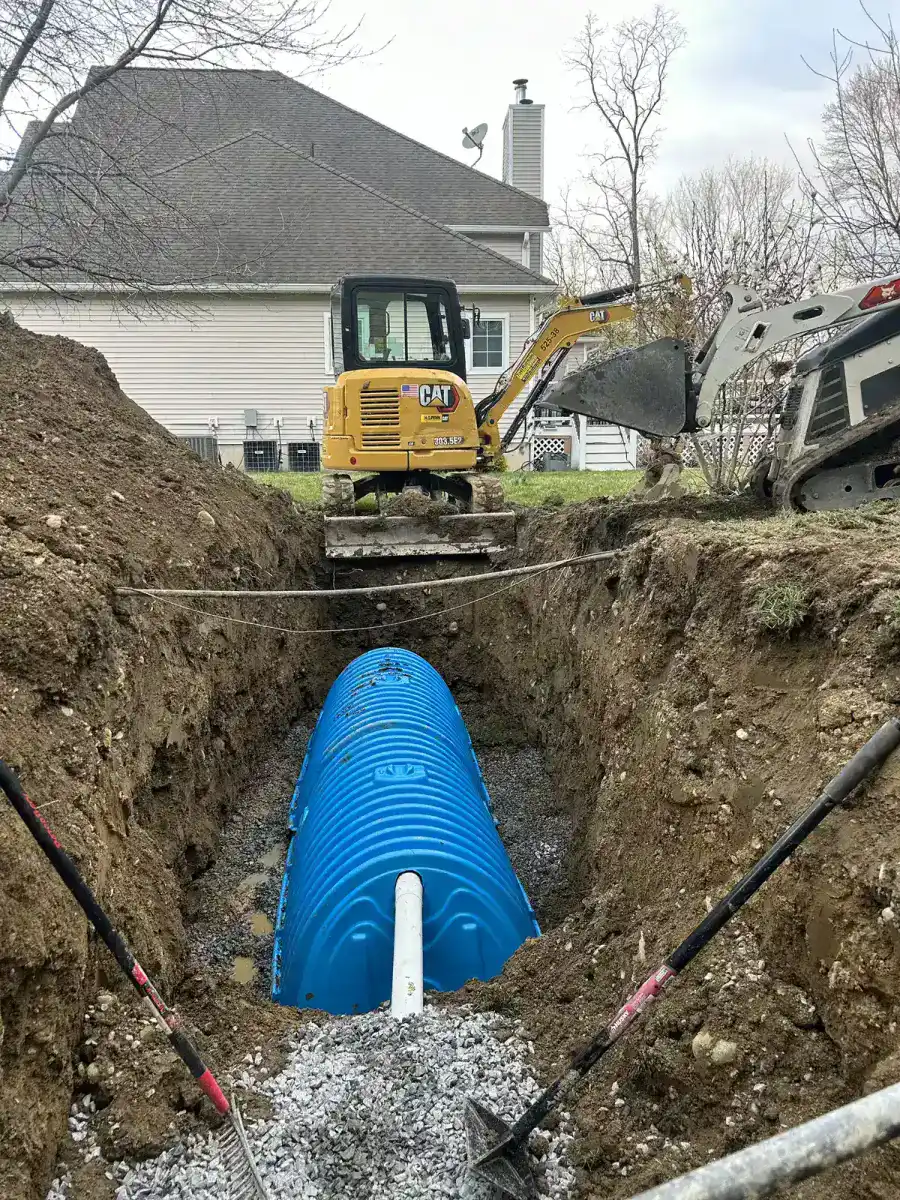
- Discharge: a suitable outlet or infiltration approach must be established for the property.
- Restoration: lawn, planting, pavers and other surfaces disturbed by the work belong in the estimate.
The written drainage proposal should map the intended trench and outlet, identify the pipe and aggregate system, account for access and restoration, and state what is not included.
Water Problems and Drainage Work
French Drain Questions for Wet Yards
Complete Drainage Solutions

Footing Drains
Foundation-level drainage for basement waterproofing.
Learn More →
Drainage Solutions
Explore drainage options suited to the collection area, available outlet, and conditions on your property.
Learn More →
Grading
Surface grading to complement underground drainage.
Learn More →
Landscaping
Yard restoration after drainage installation.
Learn More →French Drains Start With Finding the Water Source
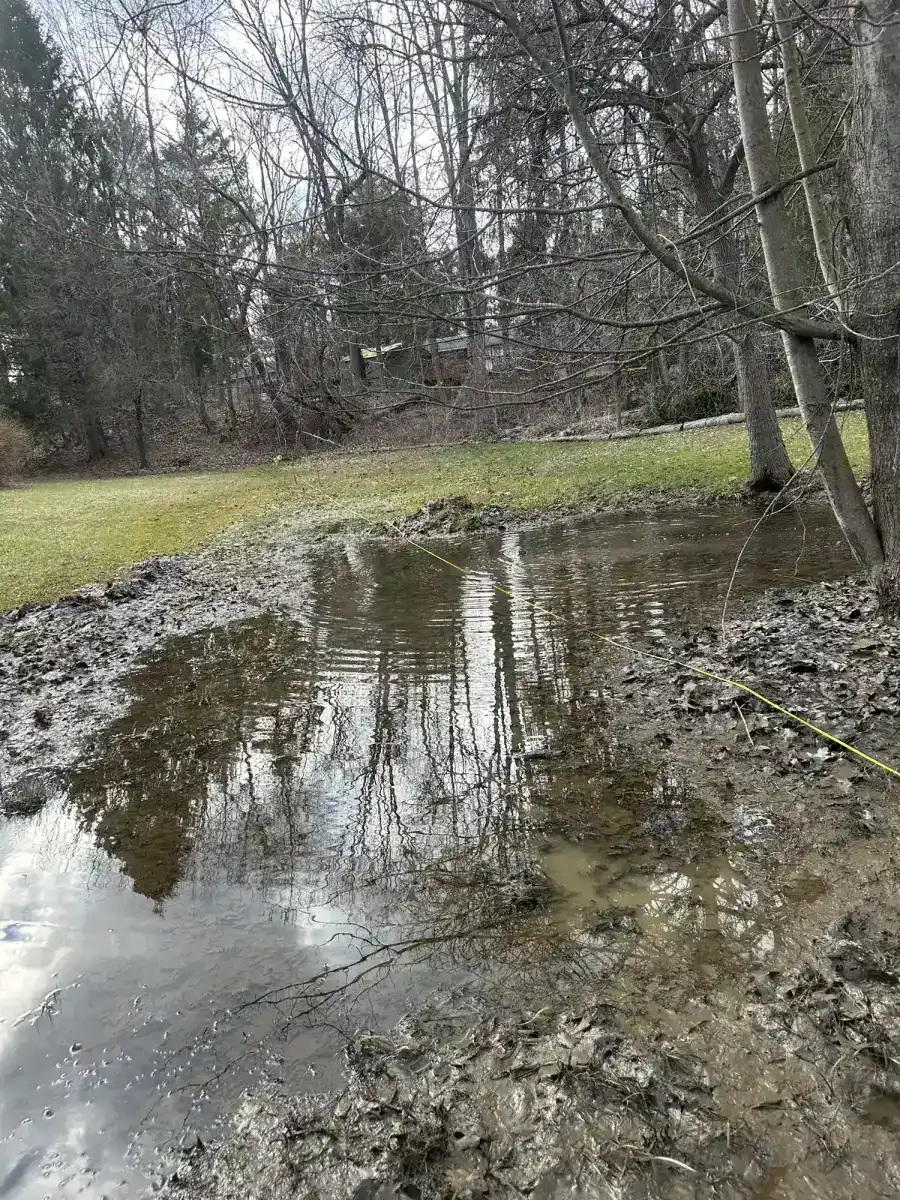
A French drain should be designed around the actual water problem, not installed as a generic trench. We look at where water enters the yard, how fast it moves, whether it is surface runoff or groundwater, where roof leaders discharge, and whether the outlet has enough pitch to move water away safely. That diagnosis changes the depth, stone, pipe, fabric, route, and discharge point of the system.
Conditions can vary within one property. Compacted areas, slopes, existing fill, roof discharge and neighboring runoff may affect where water travels. A useful site visit follows the actual problem instead of assuming that every local yard has the same soil or drainage needs.
Ask how the specified pipe, aggregate, filtration and outlet suit the assessed conditions. Surface restoration also belongs in the plan: lawn, planting, paving and driveway areas can require different finishing work. Depending on the water source, a drainage proposal may include grading, foundation drainage or other measures alongside a yard drain.
We install French drains for wet yards, soggy lawns, basement seepage, driveway washouts, patio runoff, and hillside drainage across Hopewell Junction, Wappingers Falls, Fishkill, Beekman, East Fishkill, Poughkeepsie, LaGrange, and nearby areas. The team can walk the site after a storm pattern, identify the most likely water path, and recommend a drain plan that protects the property instead of simply burying pipe.
What We Need to Know About a Drainage Problem
The best drainage estimates start with evidence. Photos or videos during a storm, notes about when water appears, and details about basement seepage, soggy lawn areas, or driveway washouts help identify the source. We still verify pitch, outlet options, soil, downspouts, and neighboring runoff on site because a French drain only works when it has a reliable place to send water.
The team also checks whether grading, gutter extensions, surface drains, dry wells, or footing drains would solve the issue better than a French drain alone. That prevents installing a trench where a different drainage correction would be more effective and less disruptive.
Best Time to Evaluate Yard Drainage
Drainage work is easiest to evaluate when the problem is still fresh in the homeowner's mind. After heavy rain, note where water starts, where it travels, and how long it remains. If the issue affects a basement, patio, driveway, or lawn, that context helps the team decide whether the drain should intercept water uphill, collect it at the low point, or combine with grading changes.
A French drain proposal should explain the route, depth, stone, pipe, fabric, outlet, restoration, and any grading needed above the trench. Those details make it easier to understand why the recommended drainage path protects the property instead of simply moving water from one wet area to another.