
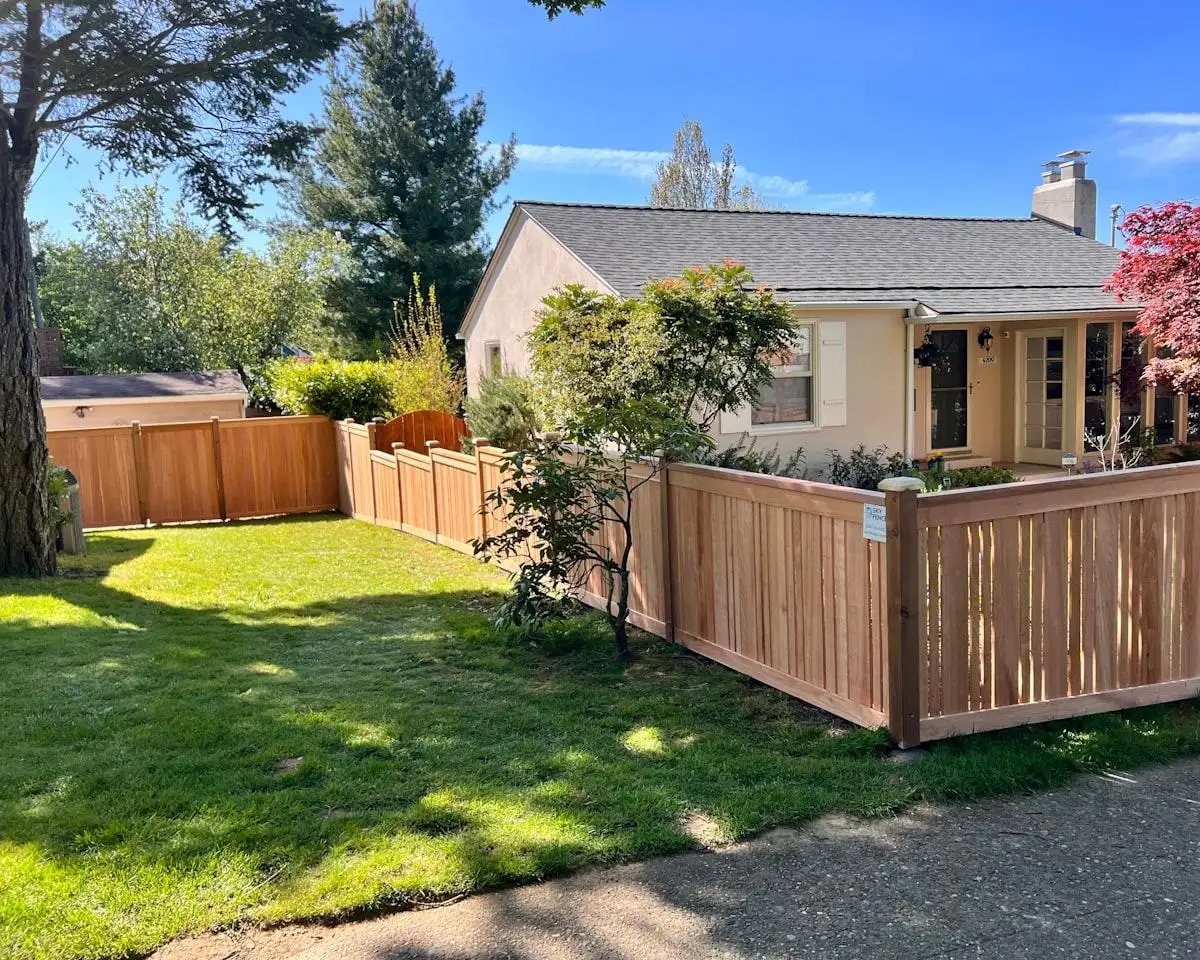
Fence Installation Planning
Fence projects are often about privacy, pets, pool code, property definition, or screening a utility area. A durable installation depends on post depth, a clear layout, practical gate placement, and careful planning for Dutchess County terrain. All American Lawn & Landscape reviews the fence line on site, checks access and grade changes, discusses wood, vinyl, and chain-link options, and provides a written scope before digging begins.
For every estimate, Evan reviews the property in person, discusses the practical goal for the work, and explains the sequence, access needs, likely materials, cleanup expectations, and any drainage or grading concerns that may affect the finished result.
Quality Fence Installation Built to Last
A fence defines your property boundaries, provides privacy, keeps children and pets safe, and adds curb appeal. At All American Lawn & Landscape, we install wood, vinyl, and chain link fences across Dutchess County using proper post-setting techniques that keep your fence standing straight through decades of Hudson Valley weather.
Many fence contractors rush through installation by setting posts in dirt or using shallow holes. We dig every post hole below the frost line (42 inches minimum in Dutchess County) and set posts in concrete to prevent frost heave -- the number one cause of leaning fence posts in the Hudson Valley. Owner Evan Turenchalk visits every property to survey the fence line, discuss material options, and provide a transparent written estimate.
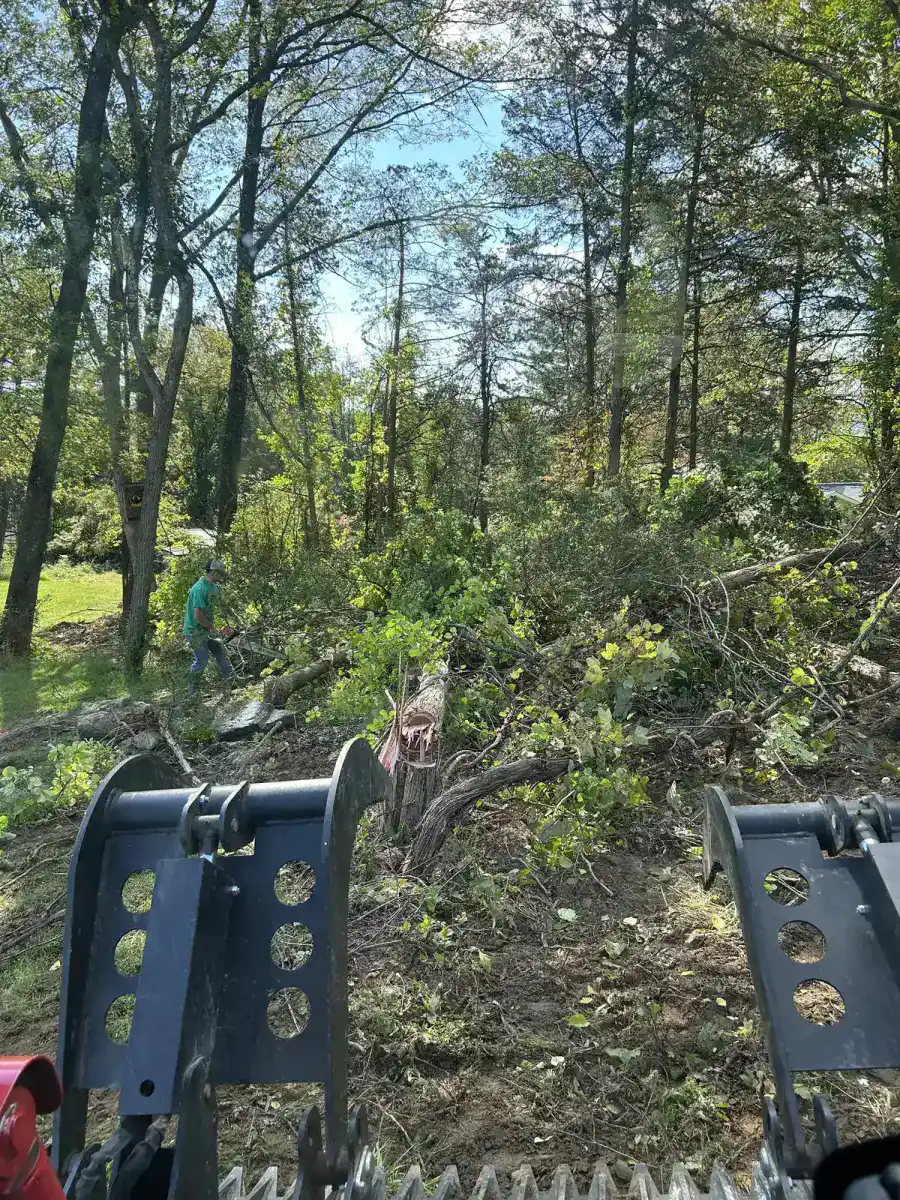
Whether you need a cedar privacy fence around your backyard in Hopewell Junction, a vinyl fence in Wappingers Falls, or a property-line fence in Beekman, we handle the entire project from permit research through final installation. We also handle tree removal and grading along the fence line when needed.
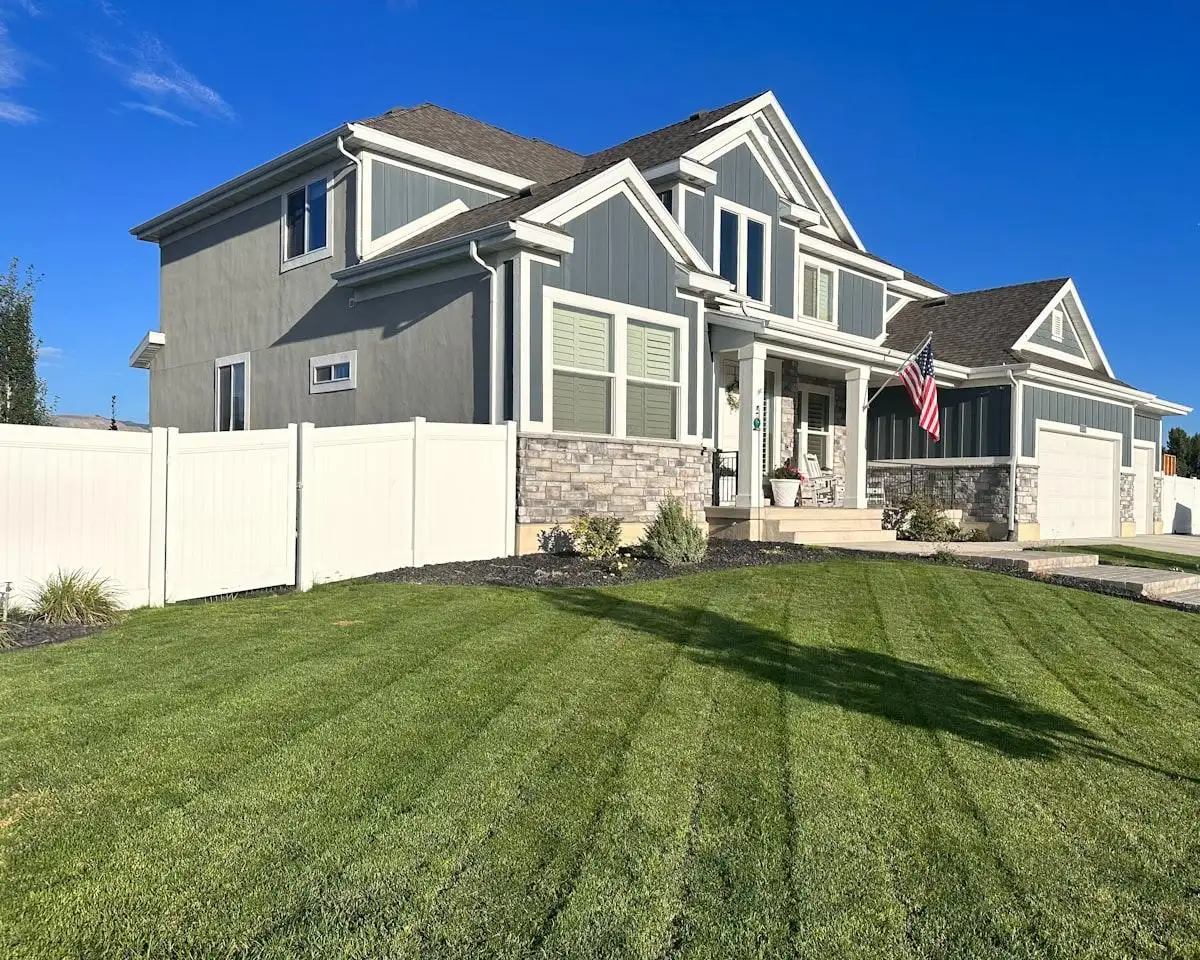
Fence Materials, Gates, and Repair Options
Wood Privacy Fences
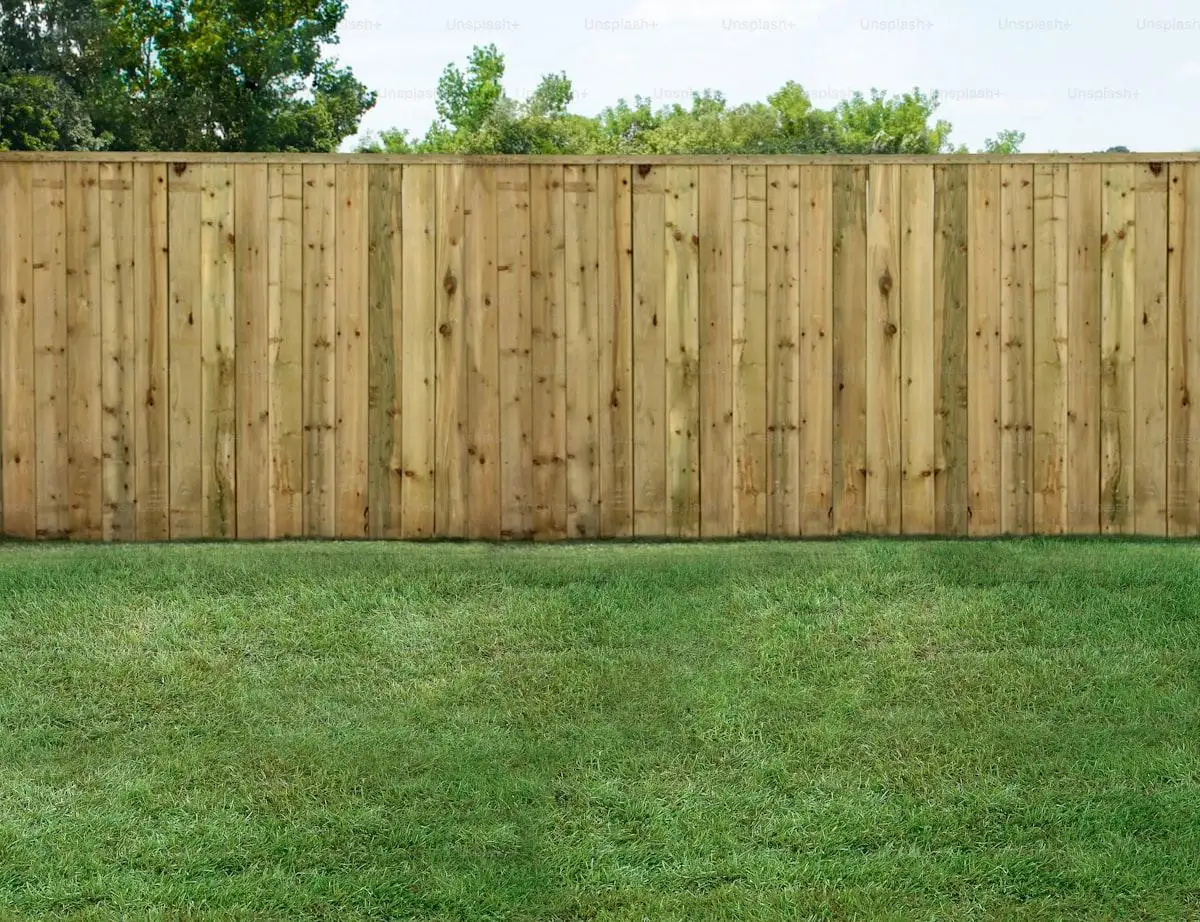
Cedar and pressure-treated pine privacy fences in board-on-board, stockade, and shadow box styles. Cedar naturally resists rot and insects without chemical treatment, making it the premium choice for Dutchess County properties.
Vinyl Fences
Low-maintenance vinyl fencing in white, tan, and gray. Never needs painting or staining. Resists rot, insects, and UV fading. Ideal for homeowners who want a clean look with zero upkeep.
Chain Link Fences
Galvanized and vinyl-coated chain link for property boundaries, pet containment, and utility areas. The most affordable fencing option with a 20+ year lifespan.
Split Rail Fences
Rustic split rail fencing that defines property lines without blocking views. Popular on larger Dutchess County properties and horse farms throughout the Hudson Valley.
Gate Installation
Single and double gates for driveways, garden access, and side yards. Steel frames with adjustable hinges and heavy-duty latches that hold up to daily use.
Fence Repair
Replacing damaged posts, boards, and sections. Resetting leaning posts in concrete. Storm damage repair and rot replacement on aging fences.
What Drives Fence Pricing in Dutchess County
- Wood privacy fence (6 ft): $25 to $45 per linear foot installed. A 150-foot cedar privacy fence typically costs $4,500 to $7,000.
- Vinyl fence (6 ft privacy): $30 to $55 per linear foot. Higher material cost but zero maintenance over its lifetime.
- Chain link (4 ft): $15 to $25 per linear foot. The most budget-friendly fencing option.
- Split rail (3 rail): $12 to $22 per linear foot. Affordable property-line definition.
- Gate installation: $200 to $800 per gate depending on size and material.
Rocky soil in Dutchess County can increase post-hole digging costs when ledge rock is encountered. We note rock risk during the estimate so there are no surprises.
Fence Installation FAQ
Outdoor Work That Supports a New Fence
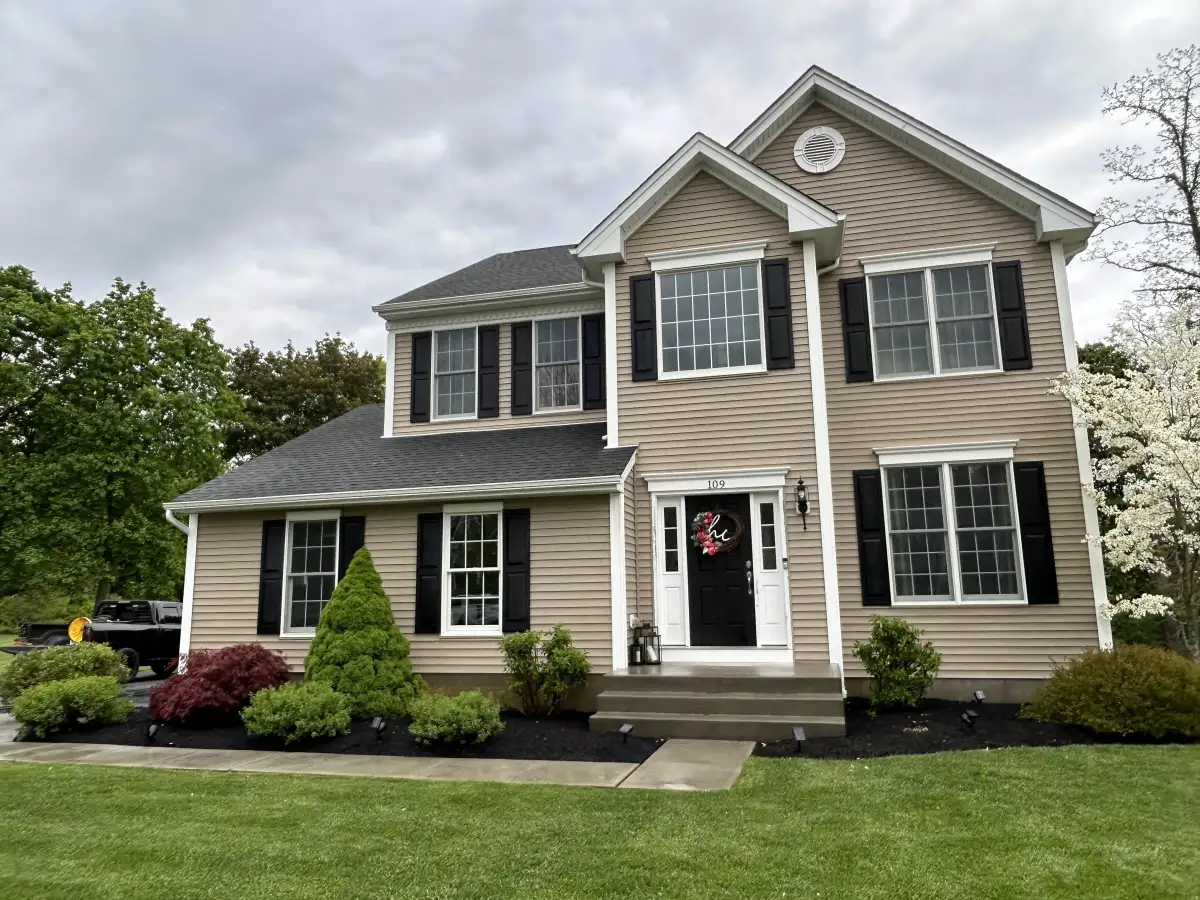
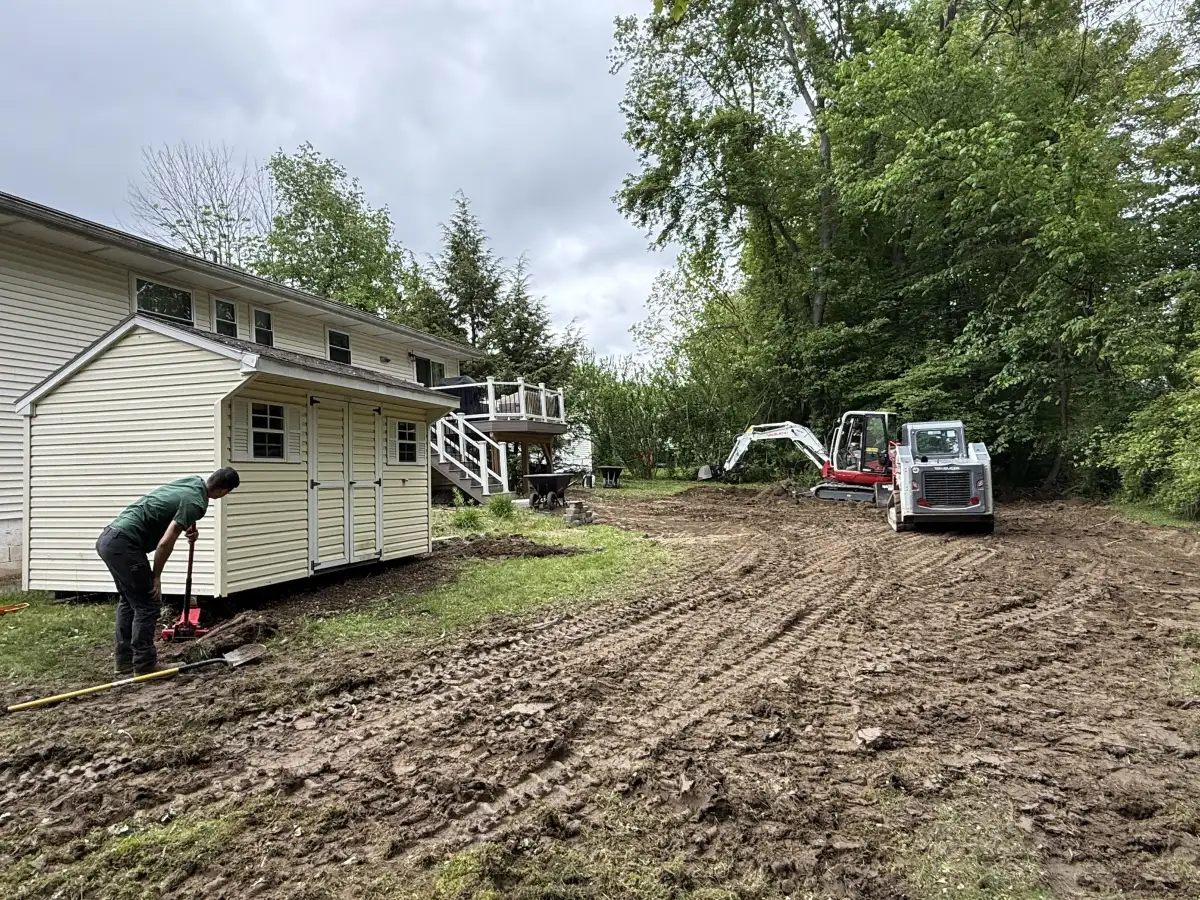
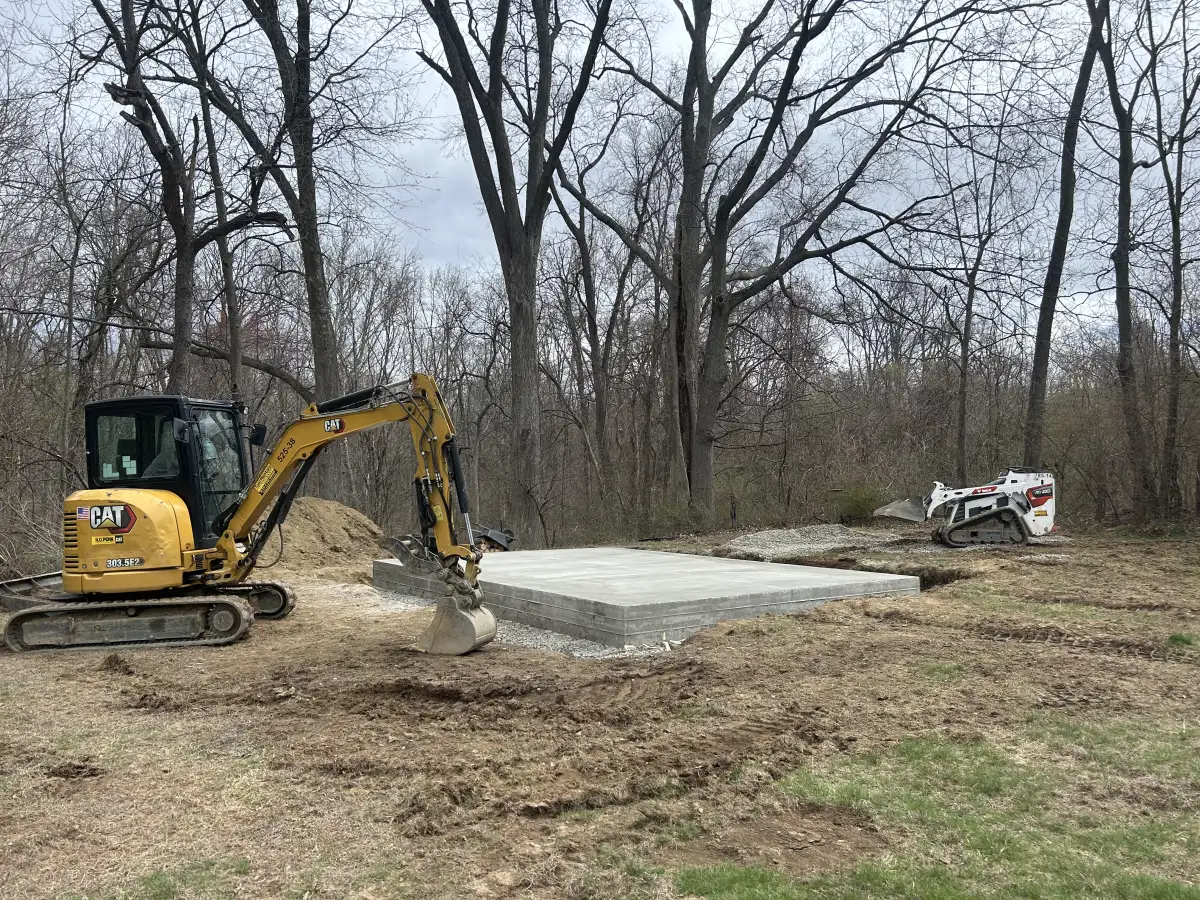
Fence Installations That Fit the Property, Not Just the Property Line
A fence should solve a real property need: privacy, pet containment, pool safety, boundary definition, curb appeal, or screening from a road or neighbor. Before installation, we discuss the purpose of the fence, the preferred material, the grade changes across the run, access for digging, and how gates need to swing for daily use. That planning matters because a fence that looks straight on paper can become awkward when it crosses a slope, driveway, retaining wall, septic area, or wooded edge.
Post layout is the most important part of the job. We review corners, transitions, gate openings, underground obstacles, and visible sightlines from the house and street. In Dutchess County, frost depth and rocky soil can complicate post holes, so we plan for secure setting rather than shallow shortcuts. For privacy fencing, we consider wind exposure and how long solid panels will perform in open areas. For decorative and boundary fencing, we focus on alignment, clean spacing, and a finished edge that complements landscaping.
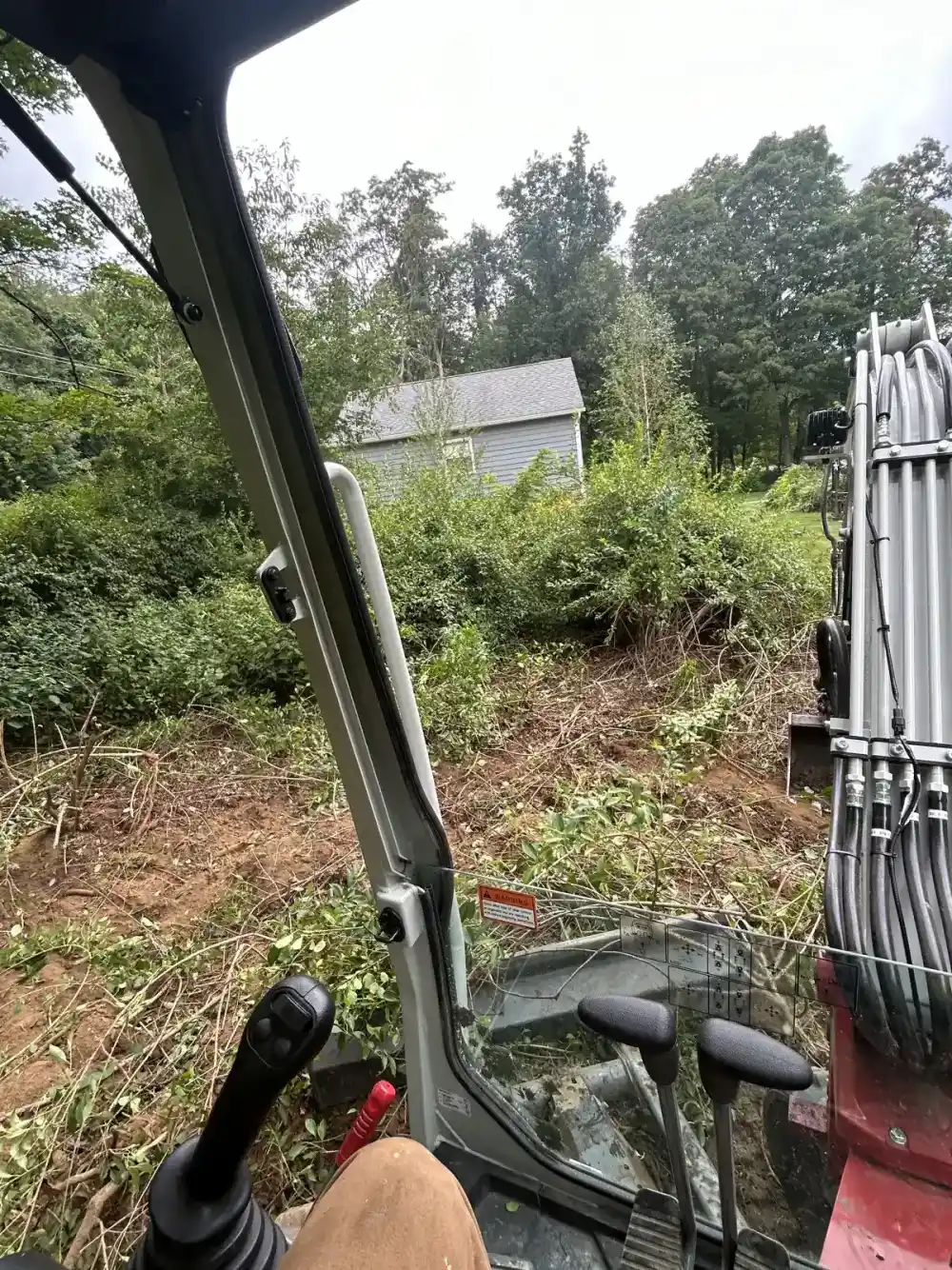
Fence projects often connect with other services. A sloped yard may need regrading or clearing before a long run is installed. A backyard upgrade may pair fencing with landscaping, paver walkways, or lawn repair after construction. Rural lots in Beekman and LaGrange may need brush cleared along a boundary, while Fishkill or Wappingers Falls properties may need careful work around tight side yards and established beds.
We install and repair fencing for homes across Hopewell Junction, East Fishkill, Beekman, Fishkill, Wappingers Falls, Poughkeepsie, LaGrange, and nearby Dutchess County communities. Evan can walk the line with you, identify practical constraints, explain material options, and provide a clear estimate for a fence that is useful, durable, and visually aligned with the rest of the property.
Details That Affect Fence Layout and Cost
Fence pricing depends on more than linear footage. Material, height, post depth, gate count, slope, clearing, rocky soil, corner changes, and access all affect the installation. We ask how the fence will be used, whether pets or children need containment, where gates should land, and whether privacy is needed along the full run or only in selected areas. A shorter, better-placed fence can sometimes solve the problem more cleanly than enclosing everything.
Evan walks the line with the homeowner when possible, noting grade changes, drainage paths, trees, utilities, and areas where brush or old fencing must be removed. That produces a clearer estimate and a fence layout that works day to day.
Preparing for a Fence Installation Date
Fence scheduling works best when property lines, preferences, and access are settled before materials are ordered. Homeowners should review surveys, talk through neighbor-facing sides where needed, and decide which gates matter most for mowing, trash, pets, or equipment. Clear decisions at the estimate stage keep installation efficient and reduce layout changes after post holes are started.
The written proposal outlines the selected material, gate count, prep work, cleanup, and any assumptions about access or rocky soil. With those choices documented, homeowners can compare fence options based on function, appearance, and long-term maintenance instead of guessing from a single line-item price.