(845) 372-7768
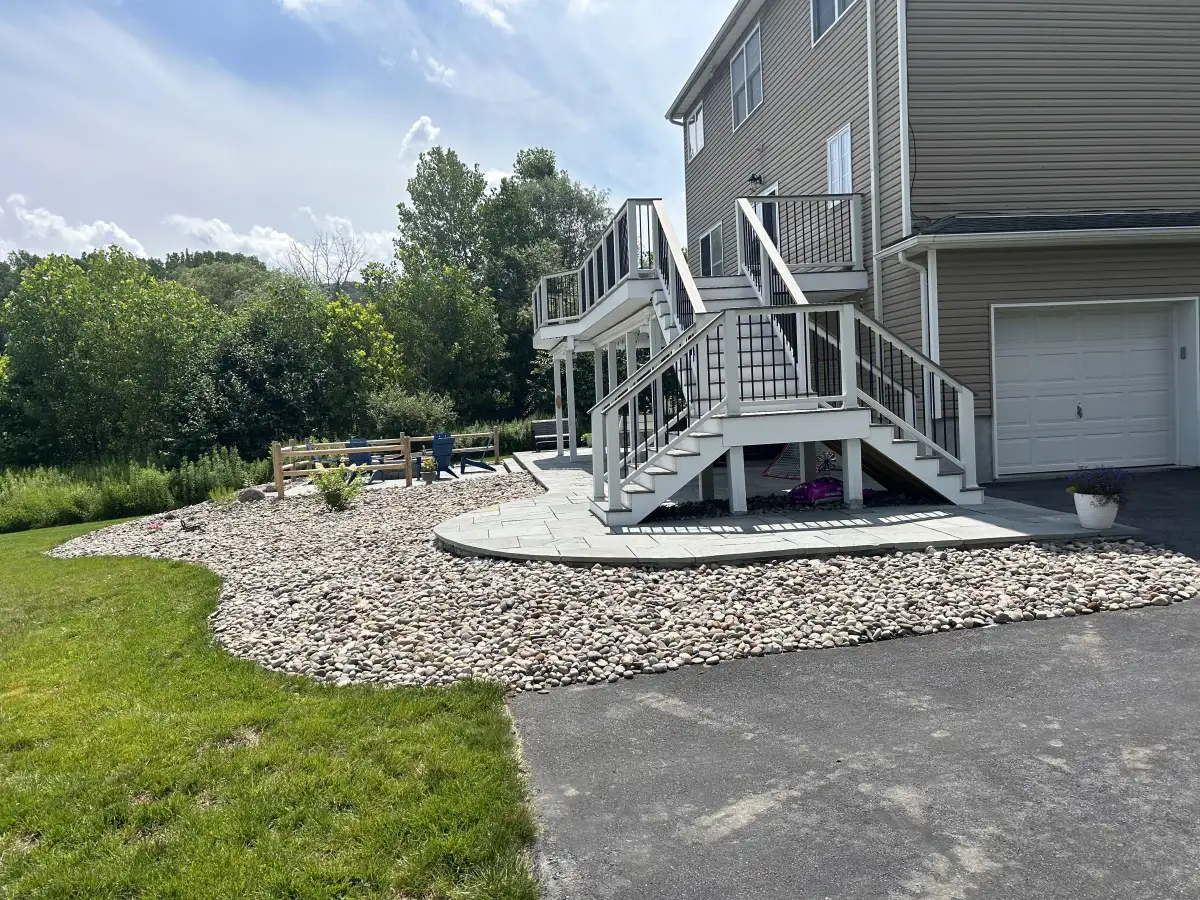
Finished residential landscaping with stone beds, lawn, and paver walkways

Questions Hopewell Junction Homeowners Should Ask a Landscaper

Use the estimate visit to compare the problem being solved, the work included, the price behind it, and the care your property will need afterward.

A good landscaping estimate begins before anyone discusses plants, mulch, mowing frequency, or a final price. First, the homeowner and landscaper need to agree on the problem: Is the goal routine care, a one-time cleanup, a repaired lawn, new planting beds, better drainage, or a larger property improvement? The answer changes what should be inspected and what belongs in the proposal.

All American Lawn & Landscape is based in Hopewell Junction and provides landscaping and connected outdoor services across Dutchess County. If you are comparing landscapers in Hopewell Junction, use the questions below to make each conversation more specific and each estimate easier to compare.

Before You Call: Make Three Short Lists

Walk the property and sort your notes into three groups. This gives the estimate visit a clear starting point without forcing you to design the solution yourself.

  • Must fix: standing water, a failing lawn area, overgrown beds, unsafe transitions, erosion, or another condition affecting daily use.
  • Want to improve: curb appeal, planting color, screening, easier maintenance, a cleaner bed line, or more usable lawn.
  • May add later: a patio, walkway, fence, retaining wall, drainage line, or other work that could change access or finished elevations.

Bring photos of wet areas or seasonal trouble spots if the condition is not visible on the day of the visit. A late-summer yard, for example, may not show the same runoff path you saw during spring snowmelt or a heavy rain.

1. What Problem Is the Proposal Supposed to Solve?

One of the most common landscaping mistakes is starting with the finish instead of the site. New mulch can sharpen a bed, but it does not redirect water. Seed can cover bare soil, but it may not correct compaction, shade, heavy traffic, or a low area that stays wet. New shrubs can look right at installation and still be a poor fit for the available sunlight, moisture, or mature space.

Ask the landscaper to explain what condition is driving the recommendation. If runoff or standing water is involved, discuss whether drainage work or grading belongs ahead of finish landscaping. New York State describes stormwater as rain or melting snow that does not soak into the ground and instead moves across surfaces such as roofs, paved areas, bare soil, and sloped lawns. That is why water movement should be considered as part of the property, not only at the spot where a puddle appears.

2. Are You Booking a Project or Ongoing Yard Maintenance?

A one-time landscaping project should have a defined finished result. It may include bed preparation, plantings, mulch or stone, lawn repair, cleanup, or restoration after other site work. Ongoing lawn care is a recurring service with a task list and visit pattern that may change by season.

If you need both, ask for them to be separated in writing. Which work is completed once? Which tasks repeat? How often are visits planned, what changes during the year, and how is extra work approved? A project estimate and a maintenance proposal can both be appropriate, but they should not be compared as though they cover the same work.

3. What Does the Price Actually Cover?

Homeowners often ask whether $100 an hour is too much for landscape work or what the average hourly rate is for yard maintenance. An hourly figure alone cannot answer either question. It may describe one person or a crew. It may include equipment, or machine time may be separate. Materials, delivery, travel, hauling, disposal, and cleanup may or may not be part of the same number.

For project work, compare the total estimate against a matching written scope. For recurring maintenance, compare the included tasks, property areas, visit frequency, seasonal changes, and treatment of debris. Ask what is excluded and how additional work is authorized. A lower rate is not a lower total if important parts of the job appear later as separate charges.

4. What Is Most Likely to Drive the Landscaping Cost?

There is no universal most expensive part of landscaping. On one property, plant or hardscape materials may lead the budget. On another, the major factor may be removal, hauling, drainage, grade correction, base preparation, equipment access, or the labor required to work in a tight area.

Ask for the major cost drivers to be identified in plain language. If the full plan exceeds the current budget, discuss phases that protect the work already completed. Correcting water movement or completing disruptive access work first can make more sense than installing a delicate finished area and reopening it later.

5. How Do Water, Grade, and Access Change the Plan?

Point out where water enters and leaves the property, where the ground stays soft, and whether runoff crosses a driveway, walkway, planting bed, or lawn. Show known septic components, irrigation, private electrical lines, invisible fencing, drainage pipes, and any recent underground work. Ask who is responsible for utility marking or approvals when they apply.

Access affects more than the schedule. Gate width, overhead branches, slopes, long carrying distances, finished surfaces, and material staging can change the equipment and labor needed. Confirm how the work area will be reached, which surfaces require protection, where materials can be placed, and how disturbed access areas will be handled at the end.

6. How Are Plants, Materials, and Equipment Chosen?

For planting work, ask about mature size, sunlight, moisture, spacing, and the maintenance level you are willing to provide. For mulch or decorative stone, clarify bed limits, edging, existing material, weed preparation, and the quantity or coverage included. For lawn repair, identify the area, preparation, seed or sod choice, and the early watering and traffic plan.

Equipment should be discussed in relation to the site and scope. The useful question is not whether a larger or smaller machine sounds better; it is how the chosen approach affects access, preparation, production, protection, and restoration. These details help explain both the method and the estimate without asking the homeowner to judge equipment by name alone.

7. What Happens After the Crew Leaves?

Ask what condition marks the job as complete. Will removed soil, plants, packaging, or debris leave the property? Is final raking, seed, mulch, or access restoration included? What watering, mowing, traffic limits, or monitoring begins immediately after installation?

New seed, sod, shrubs, and perennials do not share one care schedule. Confirm the homeowner's responsibilities and any follow-up that is specifically included. Do not assume a maintenance visit, replacement term, or warranty unless it is written into the proposal.

A Five-Minute Proposal Check Before Booking

Before choosing a landscaper, make sure the written proposal answers these questions:

  • Are the exact work areas and the intended result identified?
  • Are preparation, materials, delivery, hauling, cleanup, and exclusions clear?
  • Have drainage, grade, underground features, access, and future projects been discussed?
  • Do you know what could change the price and how changes are approved?
  • Are the homeowner's aftercare and maintenance responsibilities clear?

Review All American's landscaper services and Hopewell Junction service options. When you are ready to discuss your property, call (845) 372-7768 or request a free estimate on the contact page.

Questions About Booking a Hopewell Junction Landscaper

Common mistakes include choosing plants or finishes before checking drainage, grade, sunlight, access, and future project plans; comparing estimates for different scopes; and overlooking the watering or maintenance required after installation.

An hourly figure cannot be judged without knowing whether it covers one worker or a crew, what equipment is included, and whether materials, delivery, hauling, disposal, and cleanup are separate. Compare the complete scope and total estimate.

The largest cost depends on the property and project. Materials, labor, site preparation, grading, drainage, equipment access, removal, hauling, and restoration can each become the main cost driver.

There is no single hourly rate that fits every yard-maintenance visit. Property size, visit frequency, crew size, included tasks, equipment, seasonal work, and disposal needs all affect price. Compare a written task list and visit schedule.

Bring a list of must-fix problems, wanted improvements, and future projects. Share photos of wet areas or seasonal trouble spots and point out known private utilities, septic components, irrigation, invisible fencing, drainage lines, and access limits.

Connect the Estimate to the Right Property Work

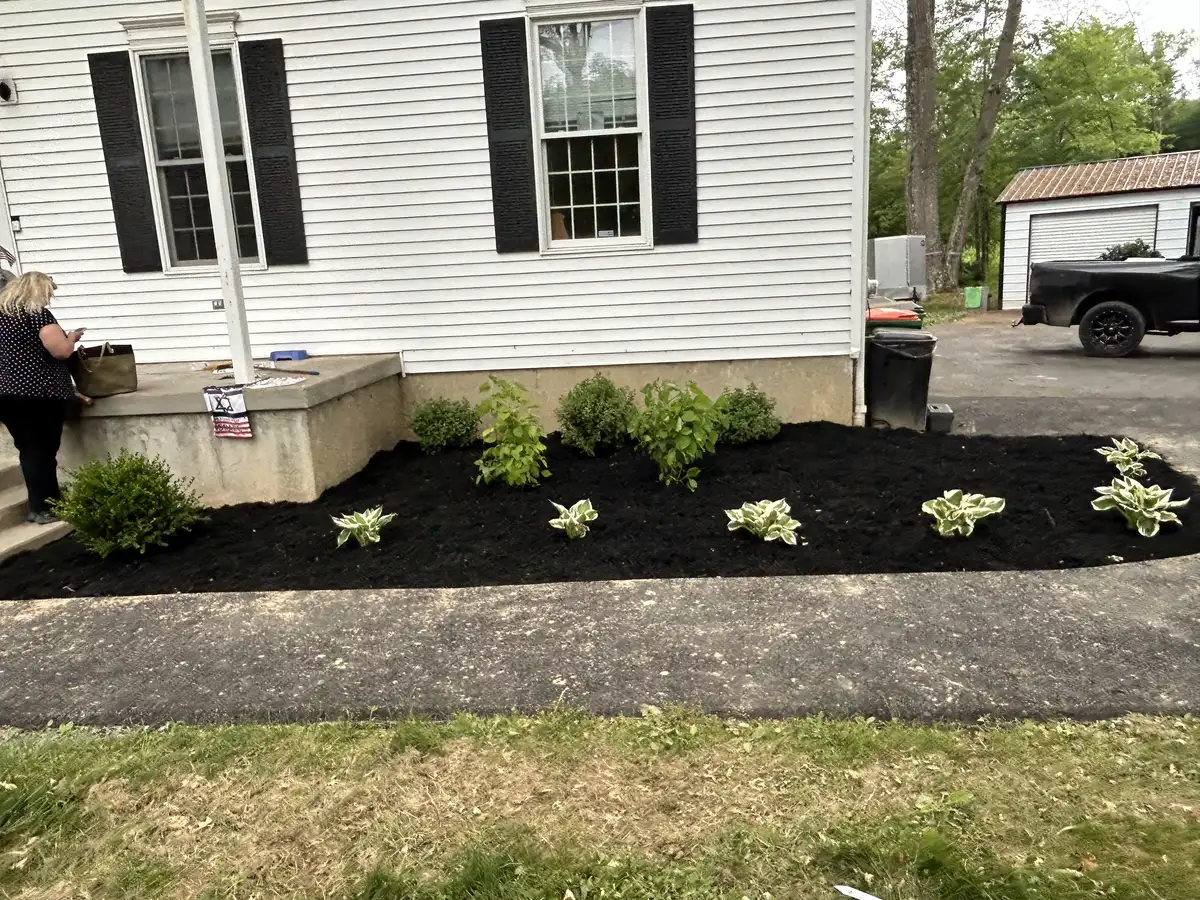
New shrubs and plantings in a freshly mulched residential bed

Hopewell Junction Landscapers

See how planting beds, lawn repair, cleanup, grading, and drainage considerations fit into a local property plan.

Explore local landscaping services →
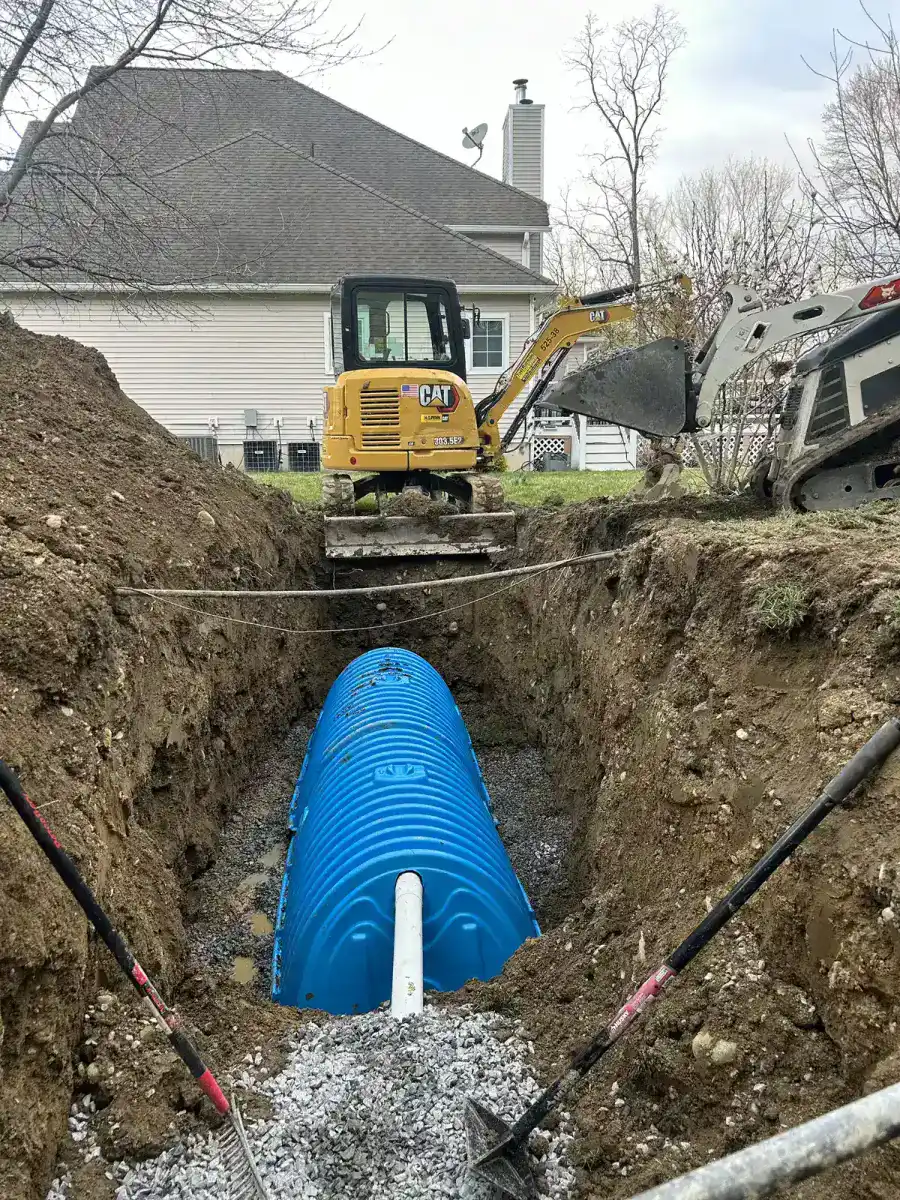
Residential drainage installation before final landscape restoration

Drainage Solutions

Review options for standing water, runoff, downspout connections, and wet areas before new finish work goes in.

Explore drainage solutions →
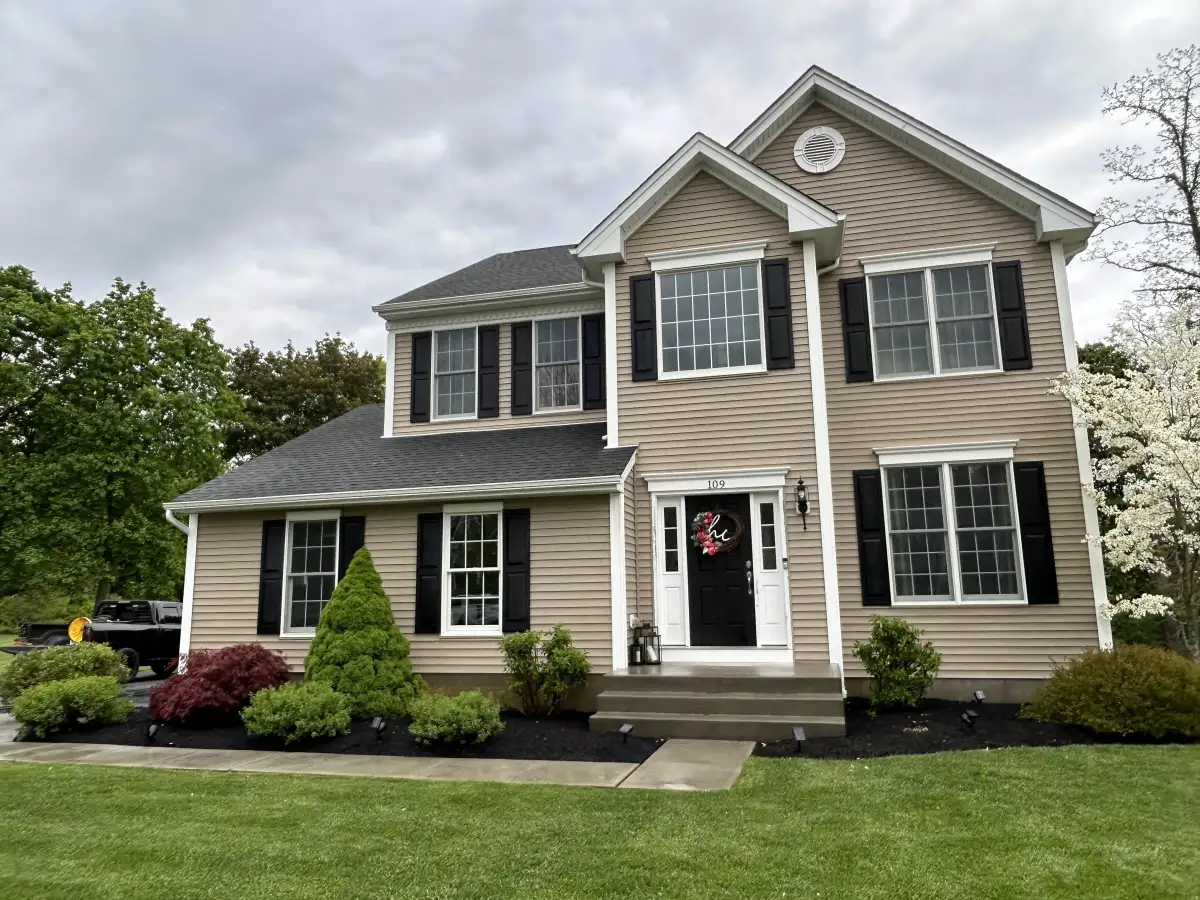
Residential lawn installation and landscape restoration

Hopewell Junction Services

Connect landscaping with lawn care, grading, hardscaping, excavation, fencing, and other outdoor improvements.

View services in Hopewell Junction →

Request a Landscaping Estimate in Hopewell Junction

Tell All American what needs attention now, what you want to improve, and which drainage, access, or future-project details should be considered.