Hopewell Junction homeowners usually search for landscapers when one visible part of the property starts causing friction. A front bed may look overgrown from the road. Mulch may wash into the lawn after heavy rain. A side yard may stay soft, thin, or hard to mow. A walkway may no longer meet the lawn cleanly. Those are landscaping problems, but they can also be signs of drainage, grade, soil, shade, or access issues.
That is why the best first conversation is not just "How much for mulch?" or "Can you clean this up?" It is a site review that asks what the yard is doing now and what the homeowner wants the property to do next. For Hopewell Junction landscaping, All American Lawn & Landscape looks at beds, lawns, drainage, grade, access, and future outdoor work together before recommending the visible improvement.
Use these questions to compare estimates, prepare for a site visit, and decide whether the yard needs a simple refresh or a phased property plan. The strongest landscaping conversations cover both the visible finish and the conditions that affect how long that finish will hold up.
Will the Estimate Review the Whole Property or Just the Visible Bed?
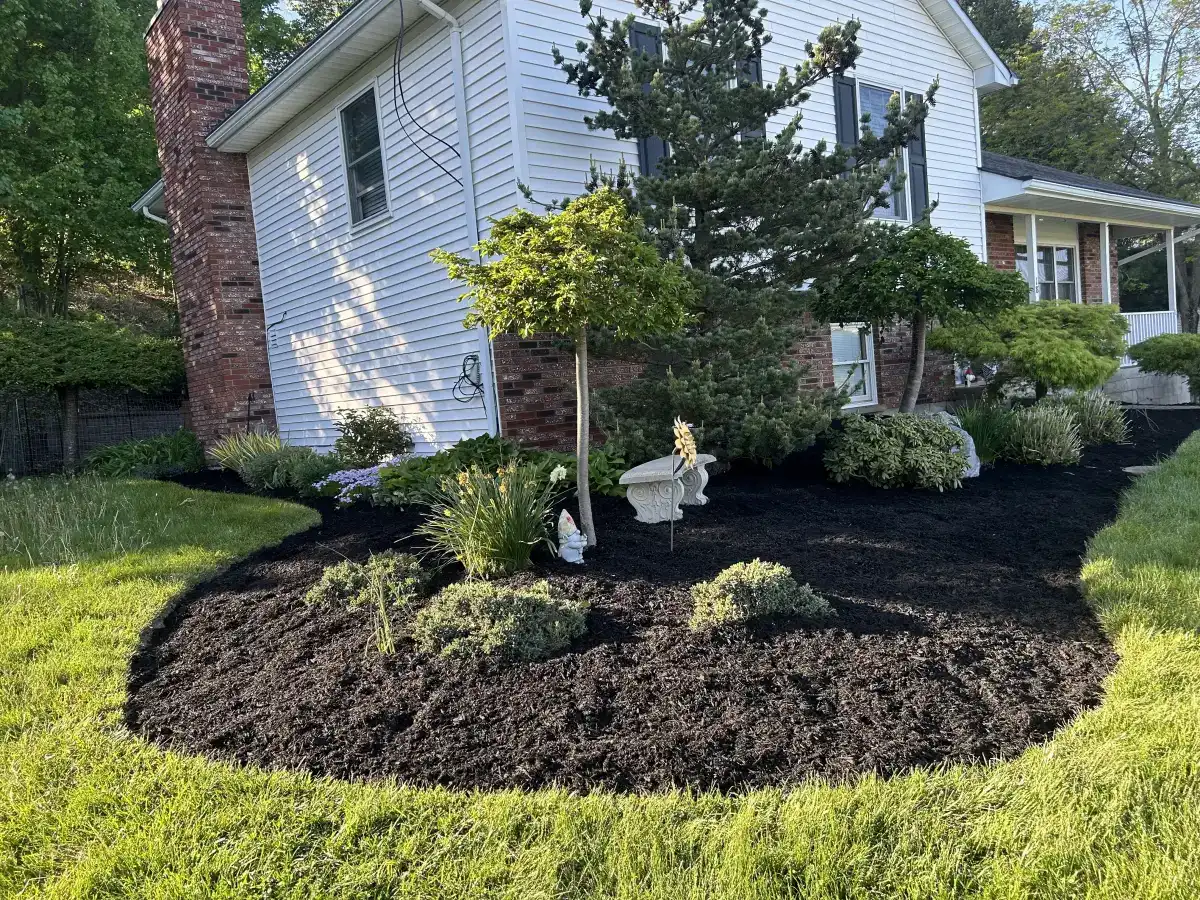
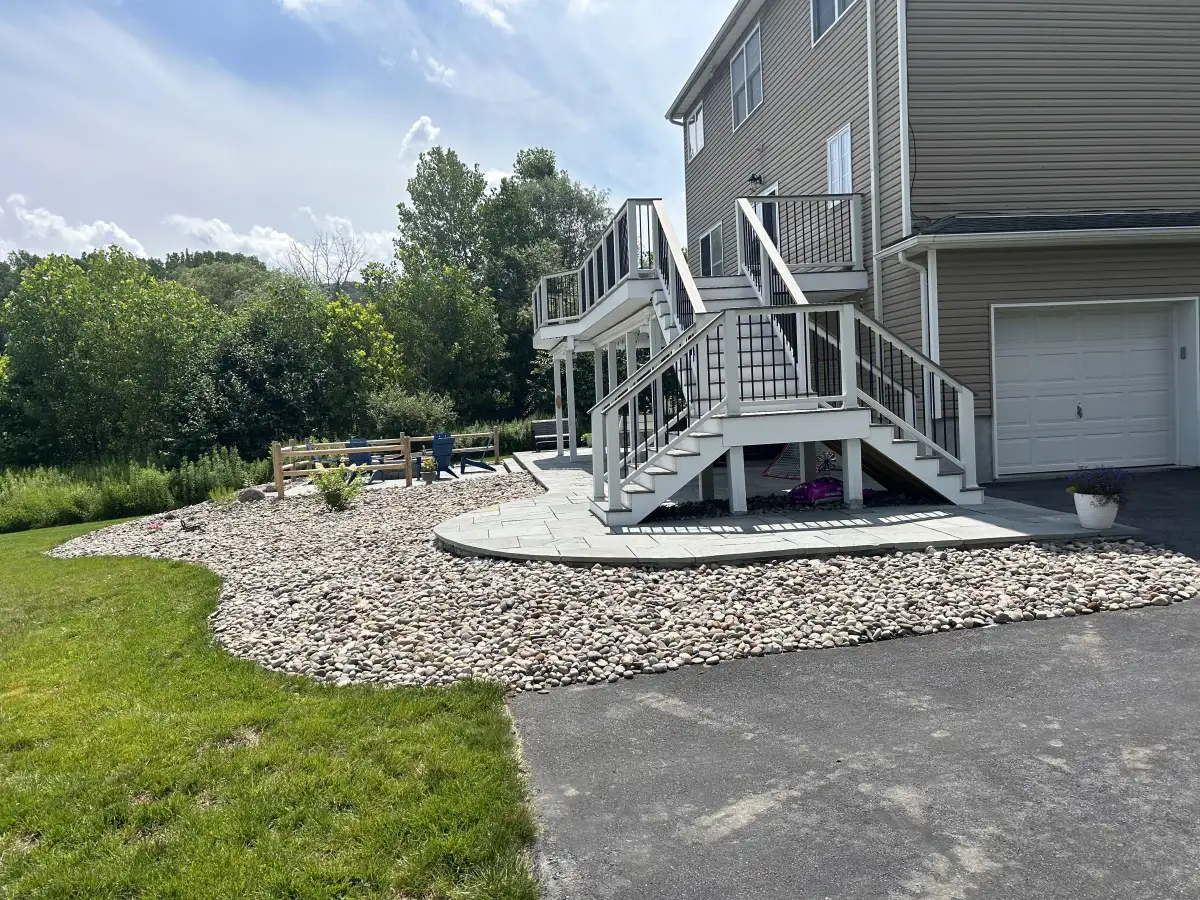
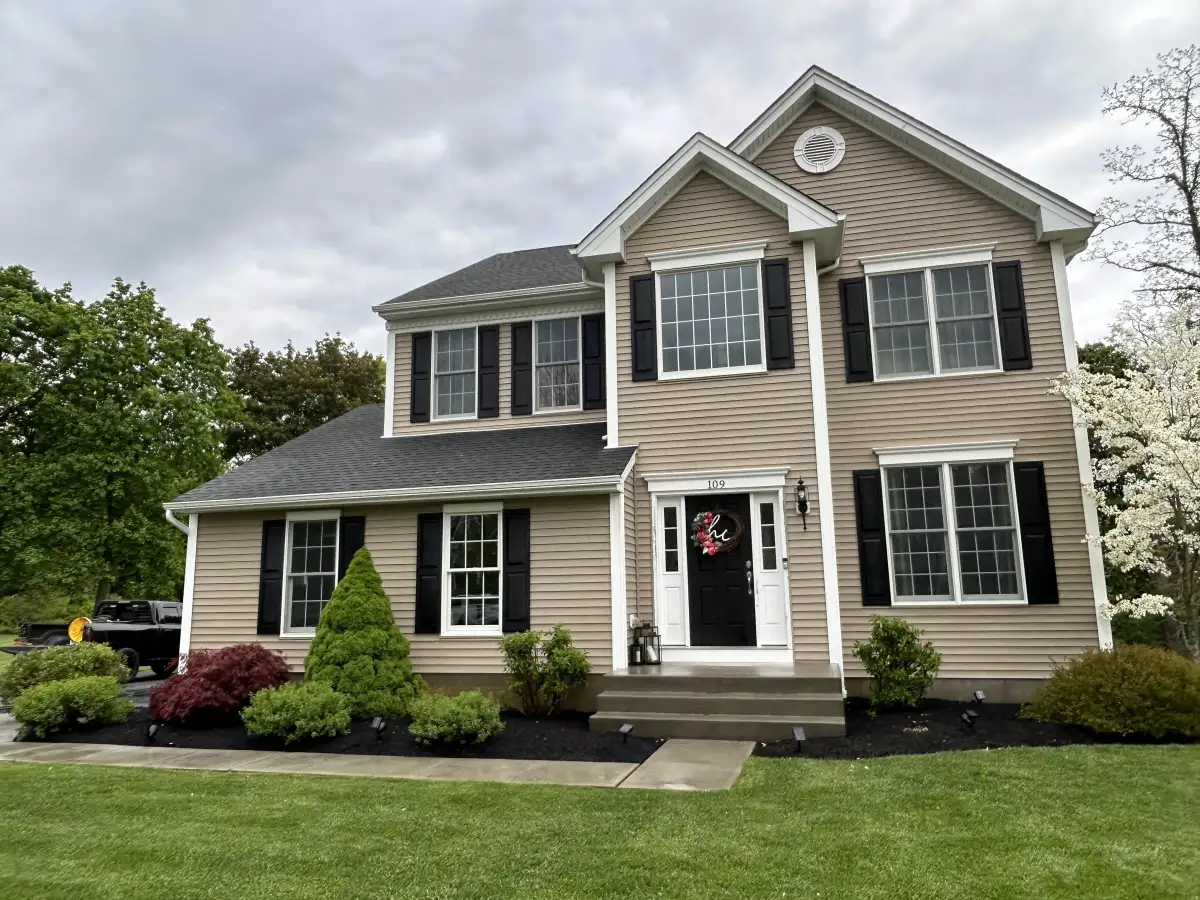
A quick cleanup can be enough when the work area is simple: pull weeds, edge the bed, prune selected shrubs, install mulch, and clean the site. Many Hopewell Junction properties need a broader look. Mature trees can thin turf and push roots into planting areas. Sloped lawns can move water through beds. Driveways can shed runoff into lawn edges. Older walkways and patios can leave awkward transitions that make new mulch or seed look unfinished.
Ask whether the landscaper will review the surrounding grade, water movement, sun exposure, soil condition, and access before pricing the surface work. If the answer is yes, the estimate is more likely to prevent rework. If the answer is no, you may be paying for cosmetic work that looks good for a short time but does not solve the reason the area became a problem.
Should Drainage Be Fixed Before Mulch, Stone, or Plantings?
Drainage should be discussed before finish landscaping when there is standing water, mossy turf, washed mulch, muddy edges, damp soil near the foundation, or downspouts dumping into the same bed you want improved. A landscape bed can be cleaned and edged beautifully, but it will not stay that way if roof runoff or driveway pitch keeps pushing water through it.
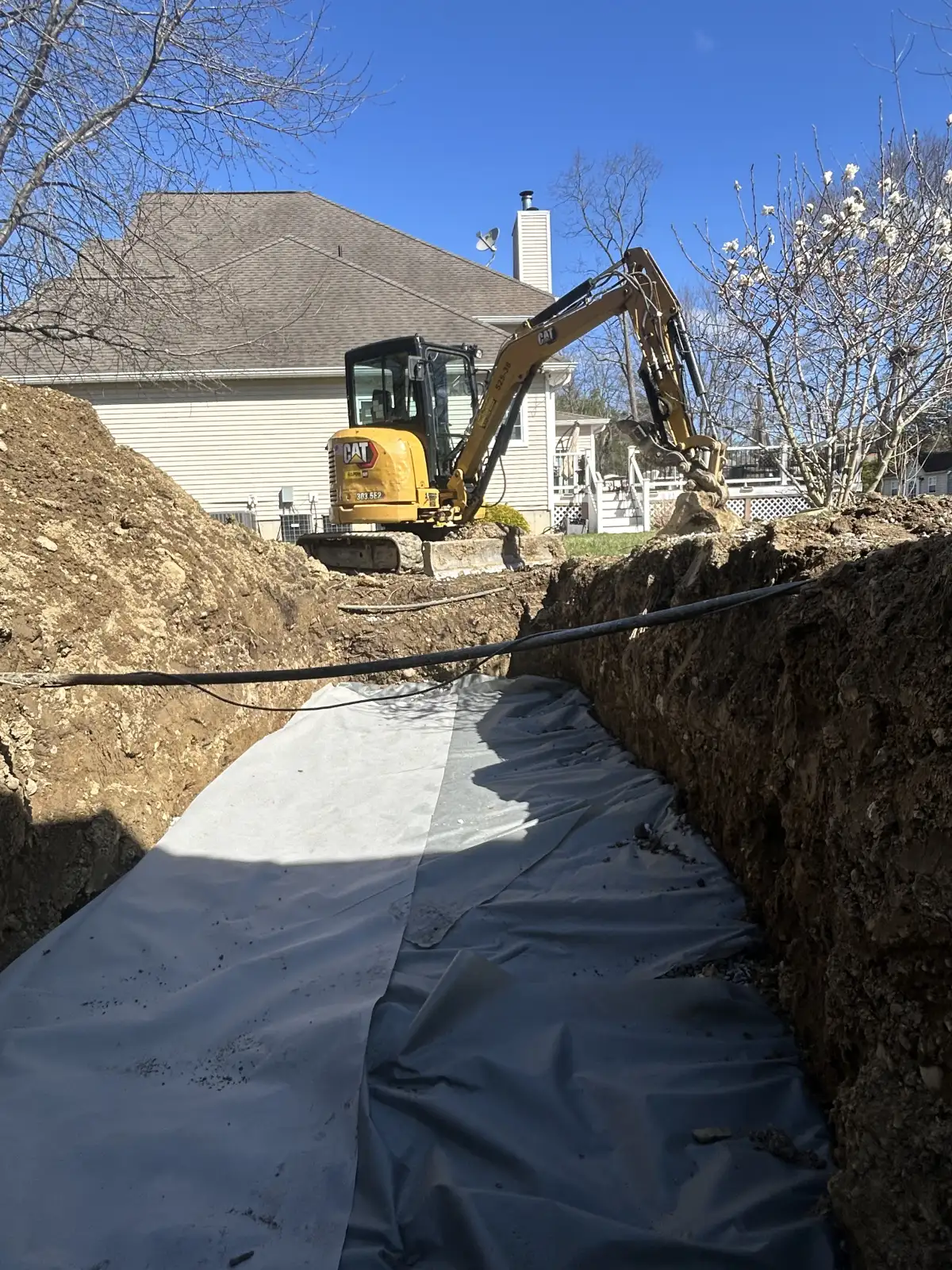
Some fixes are modest, such as extending a downspout, reshaping an edge, adding stone in the right location, or adjusting soil pitch. Other properties need drainage solutions such as French drains, curtain drains, footing drain repairs, dry wells, underground gutter connections, or more involved regrading. The important question is whether the estimate explains why the proposed finish material will hold up after the next storm.
Does Lawn Repair Need Grading First?
Thin lawn can come from normal wear, shade, pet traffic, poor soil, or seasonal stress. It can also come from compacted ground, water movement, or uneven grade. Seed and topsoil are not a reliable fix for a low area that still holds water. Mowing and trimming will not solve a lawn edge that keeps eroding because the driveway, walkway, or backyard slope sends runoff across it.
Before booking lawn repair, ask how the crew will evaluate grade. On some properties, the answer may be simple soil preparation and seeding. On others, grading should happen first so water moves away from the problem area. That is especially important when the lawn is near a patio, walkway, retaining wall, fence line, driveway, or wooded edge that may affect drainage and access.
Can One Crew Handle Landscaping With Hardscaping or Excavation?
Some landscapers focus only on maintenance and surface upgrades. That can be fine for mowing, pruning, and a straightforward mulch refresh. A different skill set is needed when the project touches excavation, trenching, drainage, retaining walls, patios, gravel, land clearing, or driveway access.
All American Lawn & Landscape handles landscaping along with excavation, hardscaping, drainage, land clearing, lawn care, and related site work. That matters when one improvement affects another. A patio plan may change bed shapes. A future fence may change access. A drain line may need to be installed before new lawn. A wooded edge may need clearing before a usable backyard can be planned.
What Should Be Included in a Useful Written Scope?
A useful landscaping scope should identify the work area, materials, cleanup expectations, access needs, and sequence. It should make clear whether the work includes mulch, stone, edging, pruning, plantings, hauling, soil correction, grading, drainage, seed, or hardscape coordination. It should also identify assumptions that can affect price, such as disposal, machine access, wet soil, hidden roots, buried utilities, steep slopes, or material staging.
Ask what is excluded. Are stump removal, major excavation, drain piping, retaining wall work, irrigation repair, or driveway restoration separate? Will equipment cross lawn areas? Are existing walkways, fences, patios, and plantings being protected? Clear answers help you compare estimates fairly instead of choosing a low number with important work left unclear.
Should the Project Be Phased?
Phasing can be the right answer when a property has several needs and the budget should be directed to the work that matters first. A homeowner may start with the front entry because curb appeal is urgent, then return later for backyard drainage. Another may start with clearing and rough grading because the rest of the plan depends on seeing the usable space. A patio, walkway, fence, or gravel driveway may need to be considered before finish plantings go in.
The key is to phase in the right order. Heavy work should not destroy new landscaping. Drainage, trenching, clearing, retaining walls, and major grading usually belong before final mulch, seed, plantings, and detail cleanup in the same area. Evan Turenchalk can review the property and recommend whether the job should be completed at once or split into a practical first phase and later finish work.
What Should I Prepare Before the Site Visit?
Take photos of the areas that bother you most, including any pictures after rain. Note where water collects, where mulch washes out, where grass stays thin, and where equipment or materials could access the work area. Decide whether the main goal is curb appeal, lower maintenance, better drainage, safer access, a future patio or fence, or a cleaner area for lawn and play space.
It also helps to mention any related work you are considering. Land clearing, pavers, patios, gravel driveways, and lawn care can affect access, drainage, and the right order for a first landscaping phase.
Which Nearby Service Areas Are Relevant?
All American Lawn & Landscape serves Hopewell Junction and nearby Dutchess County communities including Wappingers Falls, Beekman, Fishkill, East Fishkill, Poughkeepsie, and LaGrange. If your property sits near a town line or you are coordinating work for multiple family properties, use the contact form to confirm scheduling.
How to Book a Site Visit
If your yard only needs a small seasonal refresh, say that clearly. If the property has water, grade, shade, soil, access, or future hardscape concerns, ask for a site review that accounts for those issues before finish materials are selected. That type of estimate gives you a clearer plan and a better chance of avoiding repeat work.
To book a landscaping estimate in Hopewell Junction, call (845) 372-7768 or use the contact page. Include the service address, the areas you want reviewed, any photos after rain, and future plans such as drainage, patios, fencing, lawn repair, or driveway work.
Landscaper Questions From Hopewell Junction Homeowners
Ask how the estimate accounts for drainage, grade, soil, shade, access, cleanup, maintenance expectations, and future outdoor projects. A useful estimate should explain the order of work, not only the finish materials.
Yes when the area shows standing water, washed mulch, thin turf, erosion, or damp soil near the home. Correcting runoff, downspout discharge, or grade first helps protect the finish landscaping.
Yes. The crew handles landscaping, drainage, grading, excavation, hardscaping, lawn care, and land clearing, which helps when a Hopewell Junction property needs site correction before finish landscaping.
Call (845) 372-7768 or use the contact form to describe the property, the problem areas, the service needed, and any future plans such as patios, drainage, fencing, or driveway work.