Booking a landscaper is easier when the first conversation moves beyond a list of finishes. A bed refresh, lawn repair, drainage correction, patio transition, or property-wide plan can each require a different sequence of work. These questions help Hopewell Junction homeowners find out what a proposal solves, what it includes, and what the finished area will need afterward.
1. Are You Looking at the Whole Site or Only the Requested Finish?
A homeowner may call about thin grass, washed-out mulch, or a low spot and naturally focus on the visible result. A useful site review should also consider where water moves, how the ground pitches, how equipment reaches the work area, and what nearby features must remain protected. These conditions can determine whether new soil, seed, plants, or mulch will hold up.
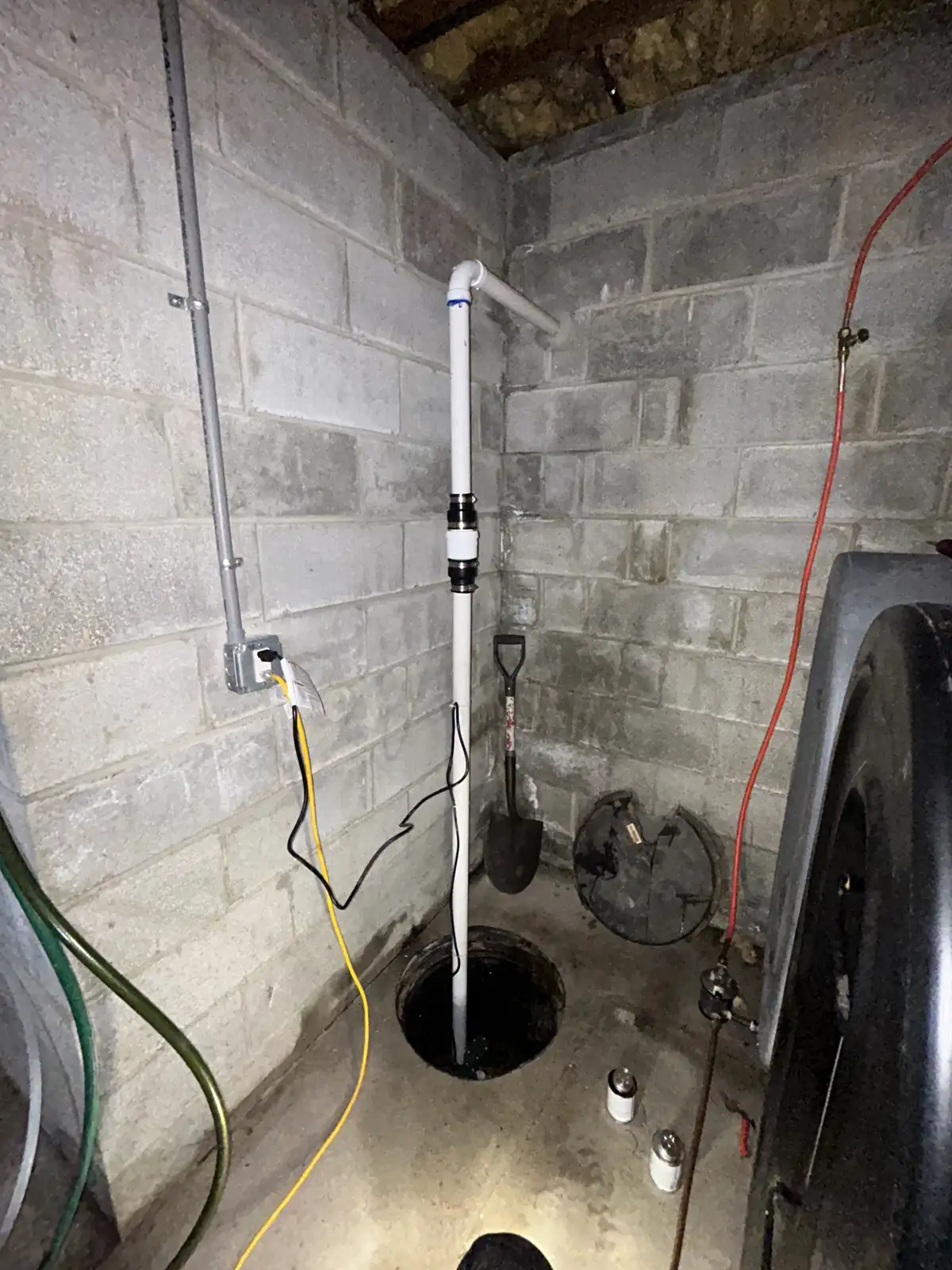
Ask what the landscaper sees as the underlying problem and what observations support the recommendation. If standing water, erosion, runoff, or uneven grades are involved, compare the proposed finish with appropriate drainage solutions or grading work before committing to surface improvements.
2. Is This a Defined Project, Recurring Maintenance, or Both?
“Landscaping” can mean a one-time installation, seasonal cleanup, lawn repair, ongoing mowing, planting-bed care, or a coordinated property improvement. Ask which category your request falls into and whether different parts should be handled separately. That distinction affects the work included, the visit pattern, the equipment required, and how the estimate should be compared.
For recurring lawn care, confirm the tasks and frequency rather than judging a monthly number alone. For a defined project, confirm the start and finish boundaries, preparation, materials, cleanup, and restoration.
3. What Exactly Is Included—and Excluded—from the Estimate?
A complete proposal should identify the work area and describe preparation, installation, material quantities or selections, access, property protection, hauling, disposal, cleanup, and any lawn or bed repair after the main work. It should also identify exclusions and homeowner responsibilities. Those details make two proposals comparable and reduce surprises once work begins.
If pricing is discussed by the hour, ask whether that rate applies to one worker or a crew and whether equipment, delivery, materials, and disposal are separate. An hourly rate by itself cannot show the total value or likely project cost.
4. Which Property Conditions Could Change the Plan?
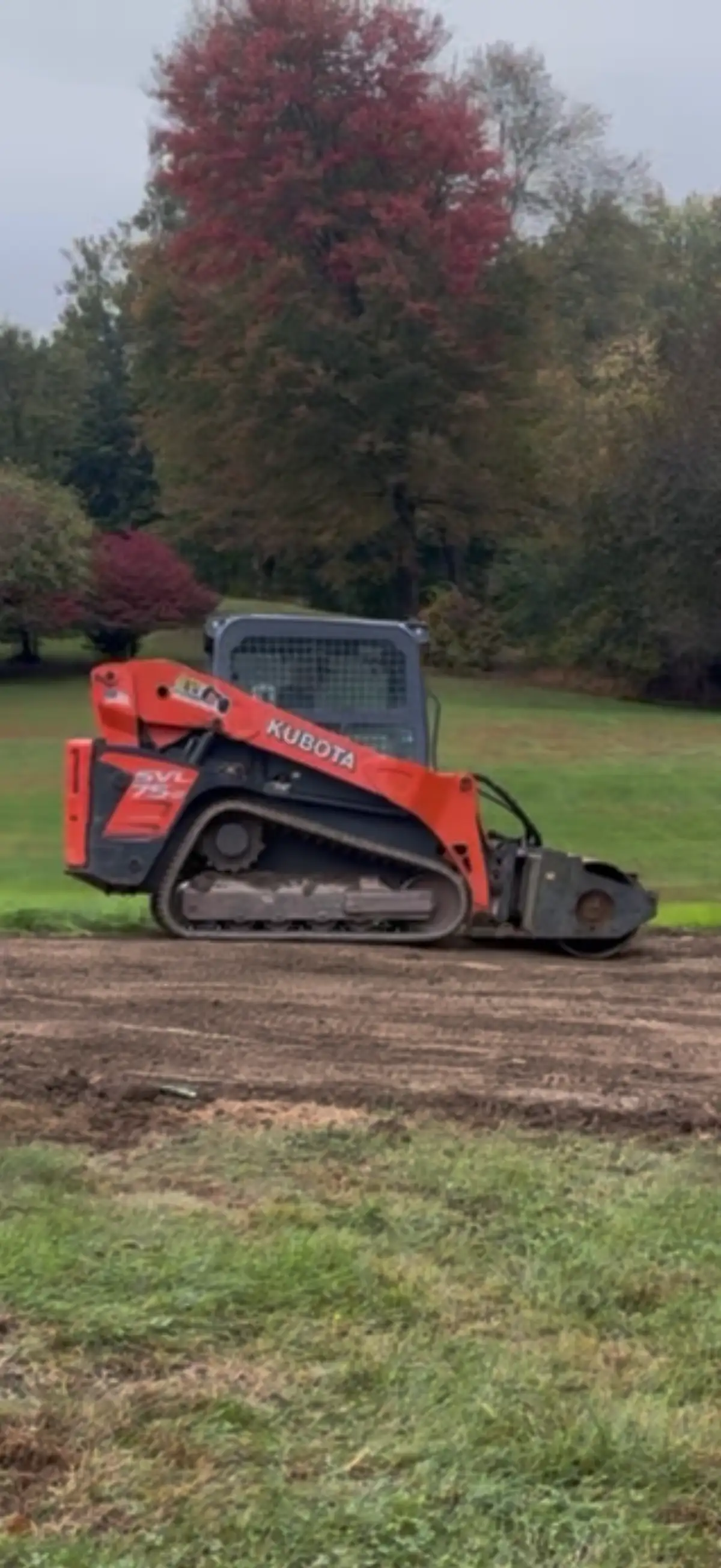
Roots, buried stone, soft ground, narrow gates, steep grades, drainage paths, septic components, irrigation, invisible fencing, utility locations, and limited staging space can all affect how work proceeds. Ask which conditions are already visible, which remain unknown, and how a change in scope would be explained and approved.
Photos taken during or after heavy rain can be useful when the concern is seasonal or disappears before the site visit. Homeowners should also point out known underground or hidden features instead of assuming they will be obvious.
5. Should Any Disruptive Work Happen First?
New beds and lawn repair are usually finish work. If the same area may later need trenching, substantial grade correction, a retaining wall, a walkway, a patio, or fence access, discuss the full plan before the first phase begins. Correct sequencing can keep completed work from being disturbed.
This is especially important when a landscaping plan connects to hardscaping, drainage, excavation, or regrading. Ask what belongs in the first phase, what can wait, and what temporary finish is appropriate between phases.
6. How Were the Plants and Materials Chosen?
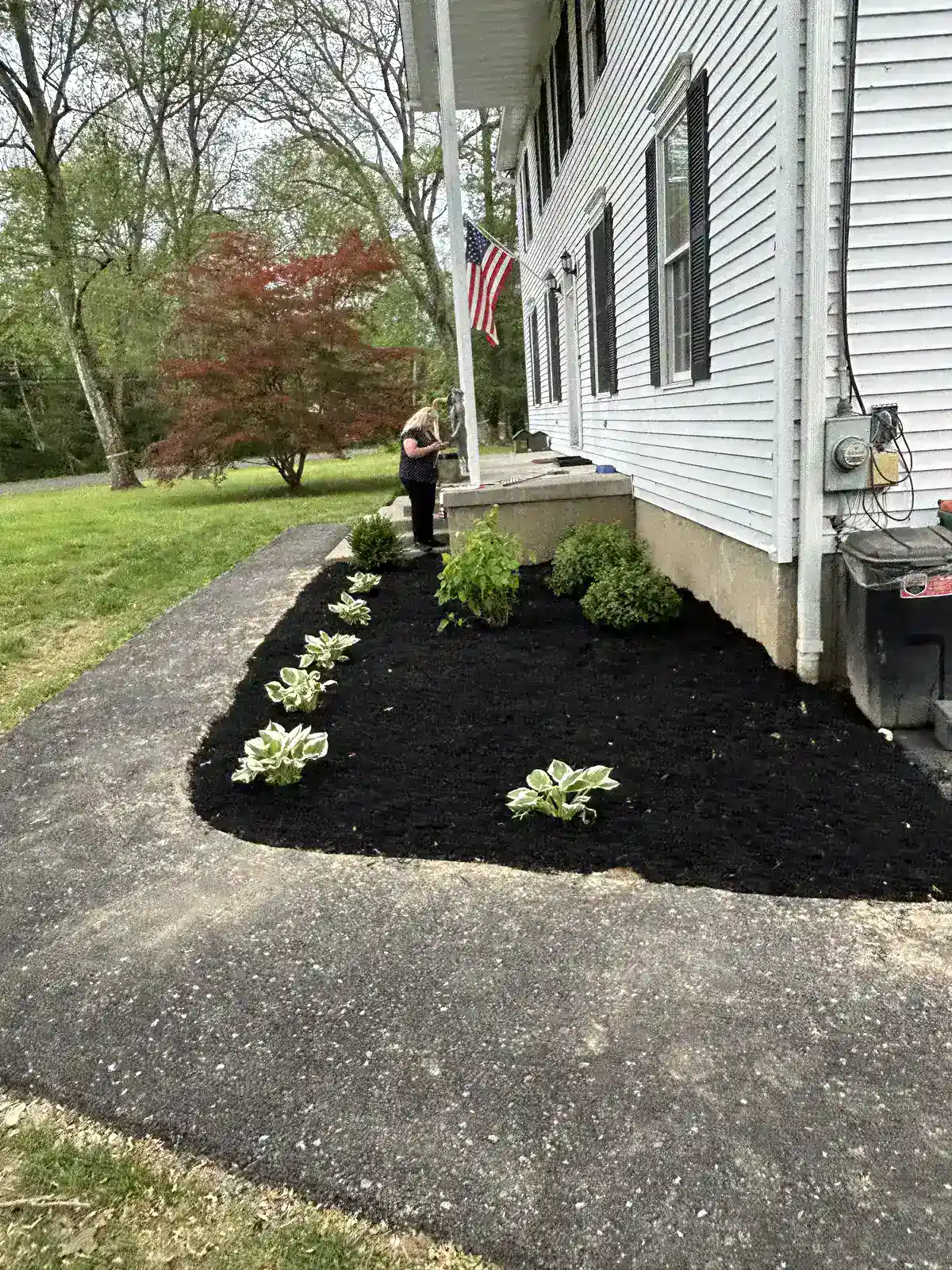
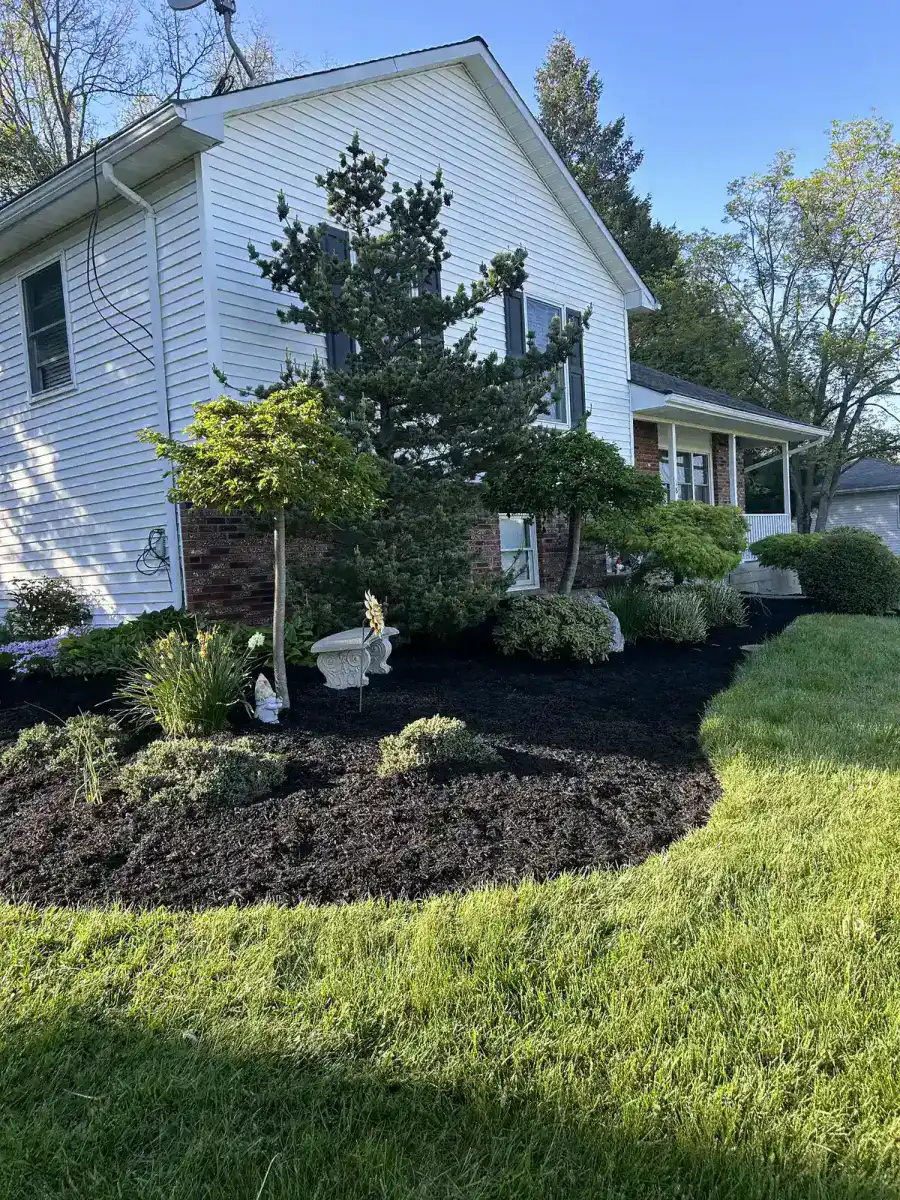
A specific material should have a specific reason for being in the plan. For plantings, ask about sunlight, moisture, available space, mature size, and the level of maintenance you want to take on. For mulch or decorative stone, discuss bed preparation, edging, depth, weed management, and how the material meets the lawn, pavement, and water paths.
For lawn installation or repair, ask what preparation is included, how the area should be watered, and when normal foot traffic or mowing can resume. The right selection is not only about appearance on installation day; it should also fit the site and the homeowner’s aftercare expectations.
7. What Will the Property Need After the Crew Leaves?
Ask for the handoff before booking. New plantings and lawn work may need watering and temporary limits on use. Mulched beds may need periodic edging, weeding, or material refreshes. Drainage paths and outlets need to stay clear. The proposal or final walkthrough should make the homeowner’s responsibilities understandable.
Also confirm who to contact if there is an aftercare question and what signs deserve attention. This is practical project planning—not a promise of a particular warranty or response time.
8. How Will Scheduling, Weather, and Changes Be Communicated?
Outdoor work depends on workable site conditions. Ask what needs to be ready before the start, how weather-related changes are communicated, and whether material delivery or connected work affects the sequence. If hidden conditions or requested additions change the job, the updated scope and price should be clear before the extra work moves forward.
A Simple Booking Test
Before accepting a proposal, make sure you can answer four questions: What problem will this work solve? What exactly is included? What conditions could change the scope? What will I need to do afterward? If any answer is unclear, ask for clarification in writing.
All American Lawn & Landscape provides landscaping services in Hopewell Junction and serves communities across Dutchess County. To discuss your property, call (845) 372-7768 or request an estimate on the contact page.
Landscaper Questions from Hopewell Junction Homeowners
Common planning mistakes include choosing finish materials before checking drainage and grade, planting without accounting for mature size and site conditions, overlooking equipment access, and completing lawn or bed work before disruptive site work is finished.
An hourly figure alone does not show whether a proposal is expensive or reasonable. Ask whether it covers one worker or a crew, equipment, travel, delivery, hauling, disposal, materials, and cleanup, then compare the complete scope and estimated total.
The largest cost varies by property and project. Materials, labor, removal, hauling, site preparation, drainage, grade correction, equipment access, and restoration can each become the main cost driver. A site-specific estimate should identify the factors that matter for your property.
A monthly total cannot be judged without the service details. Compare property size, visit frequency, mowing and trimming tasks, seasonal changes, cleanup, add-on work, and what happens when weather changes the schedule.
A useful estimate should define the work area, preparation, materials, installation tasks, access, protection, hauling, cleanup, exclusions, payment terms, and how changes will be approved. It should also explain any homeowner responsibilities and aftercare.