A hardscape has to do more than look finished on installation day. In Hopewell Junction, the plan also needs to account for water movement, grades, equipment access, transitions at doors and steps, and seasonal freeze-thaw conditions. Whether you are considering a patio, walkway, retaining wall, steps, or a connected outdoor living area, use these questions to compare contractors on the complete build—not only the surface material or bottom-line price.
1. How Will the Layout Fit the Way We Use the Property?
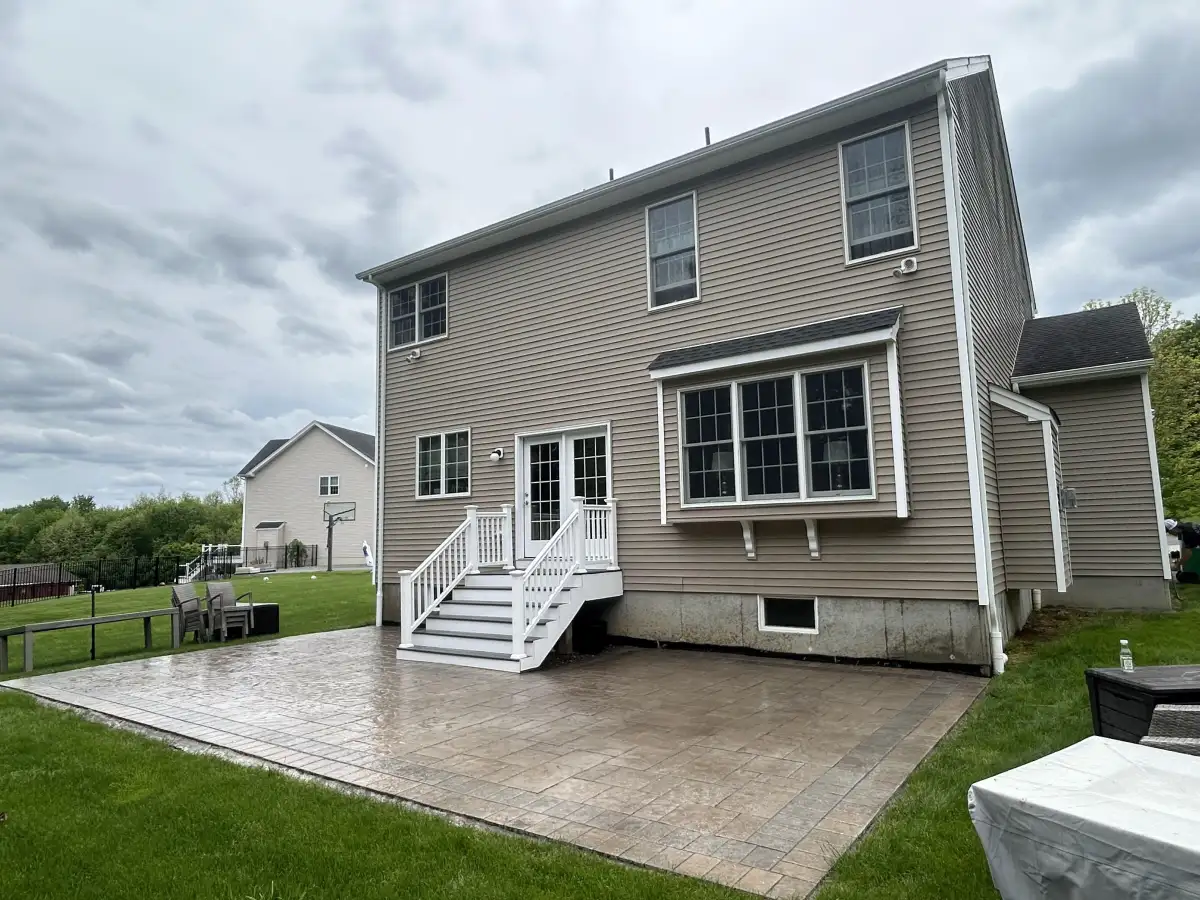
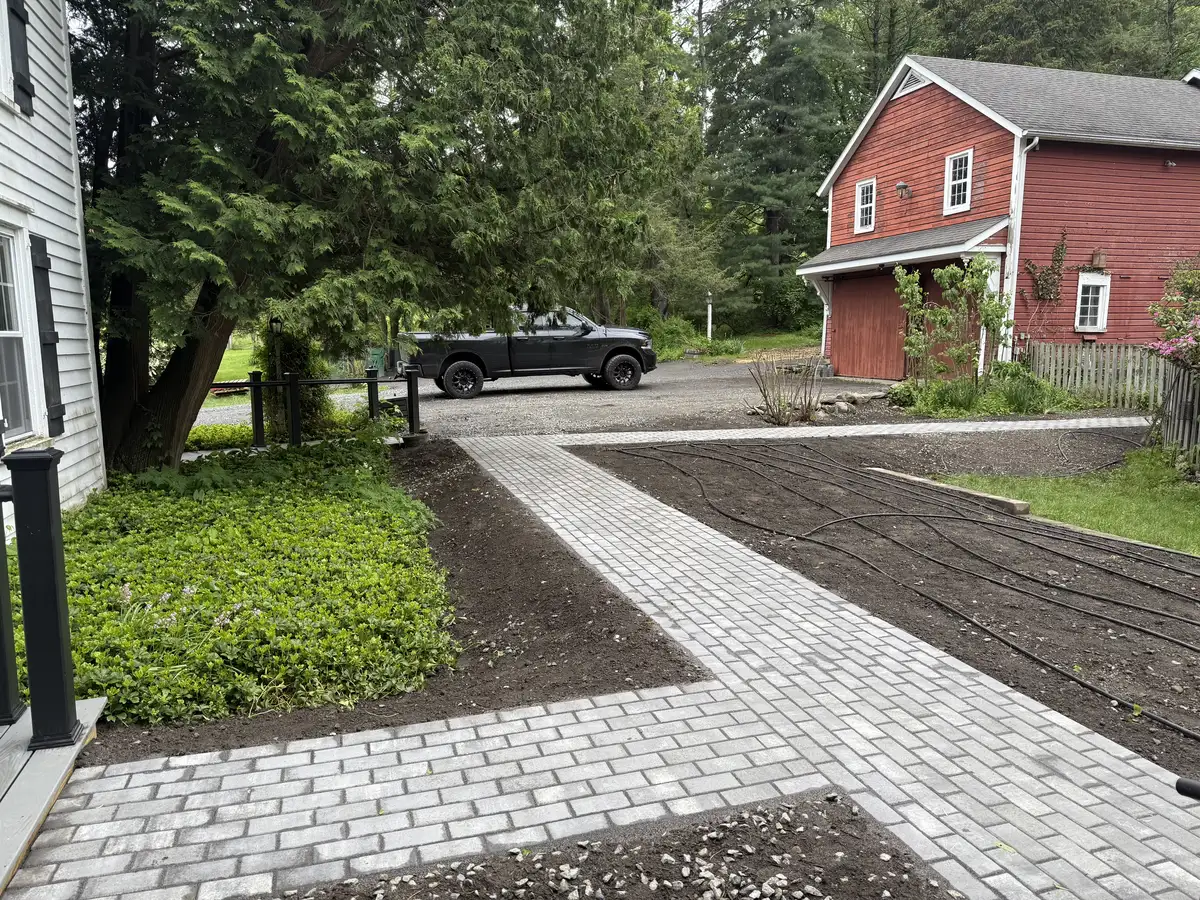
Start with movement and daily use. A patio needs room for the furniture, grill, and circulation you expect. A walkway should connect the places people actually travel without creating awkward turns or unsafe step transitions. A retaining wall must respond to the grade it is holding, not simply create a decorative edge.
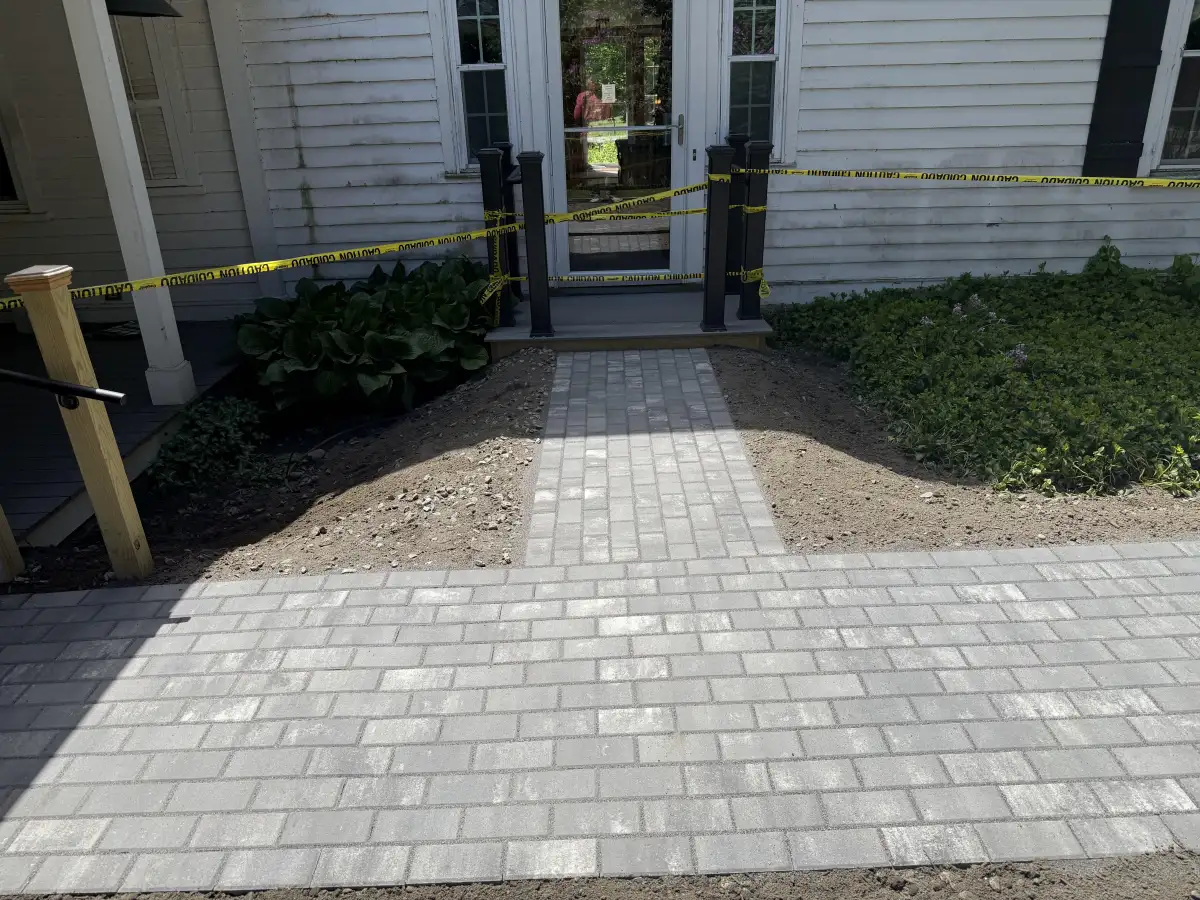
Ask the contractor to walk the proposed footprint with you. Discuss door thresholds, existing steps, driveway and lawn connections, shade, snow storage, nearby planting beds, and any future phase that could change the layout. The right dimensions and elevations come from how the space needs to work.
2. What Is Included Below the Visible Surface?
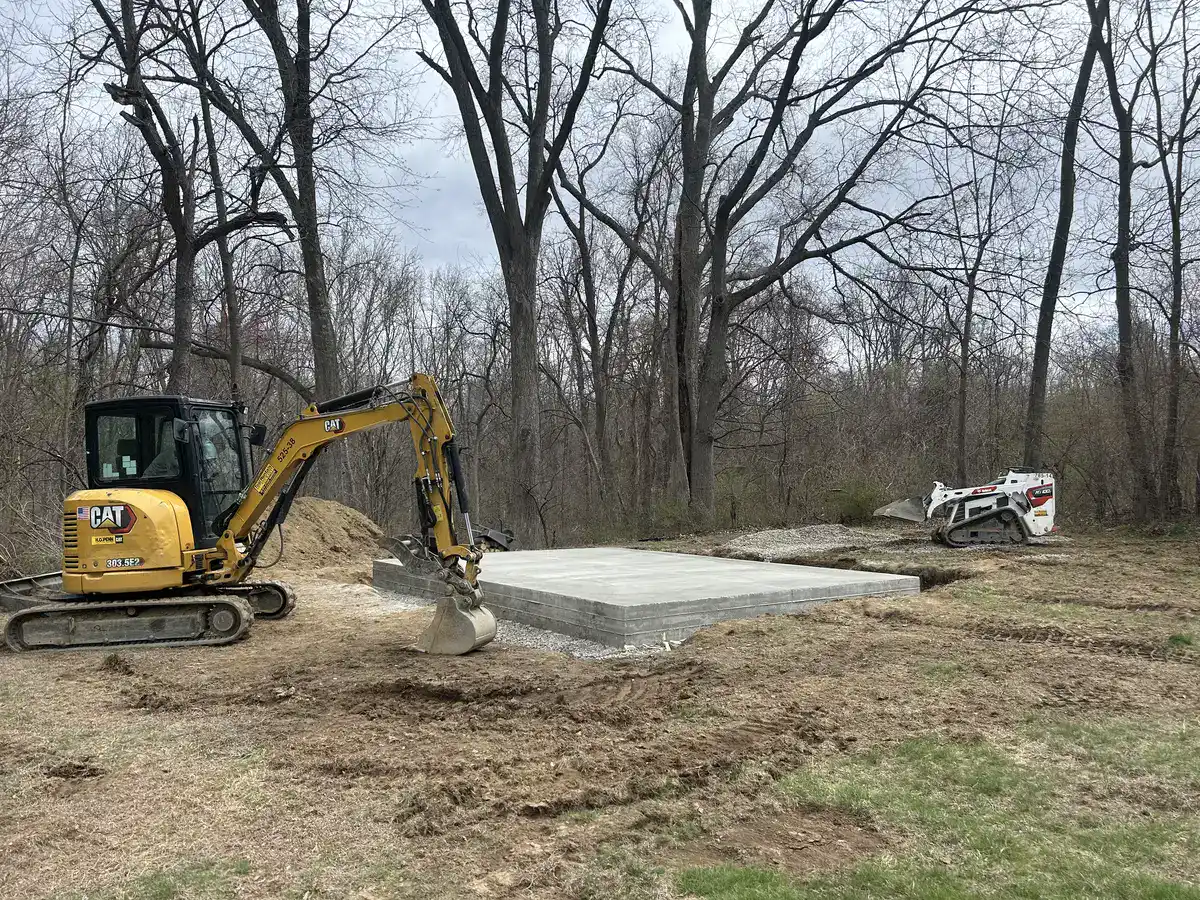
Pavers and wall block are only the visible layer. The written scope should explain excavation, base material, compaction, bedding material where appropriate, edge restraint, cuts, joints, and finish grading. Depths and material needs vary with the hardscape type, soil, loads, and site conditions, so a one-size answer is less useful than a plan tied to the property.
Ask how the contractor will identify soft areas, buried material, roots, or unexpected fill and what happens if conditions change after excavation begins. A clear change process matters because the most important preparation is often covered before the project is complete.
3. Where Will Water Go After the Hardscape Is Built?
Adding a hard surface changes where rainwater can soak in and where runoff travels. Ask which way the finished surface will pitch, where roof water and uphill runoff currently move, and whether a low spot, outlet, or nearby slope affects the plan. The goal is to avoid sending water toward the house, trapping it beside a wall, or shifting a wet-area problem to another part of the yard.
If drainage work is needed, confirm whether it is included in the hardscape proposal or handled as a separate phase. All American Lawn & Landscape can review connected drainage solutions and grading when water or slope affects the project.
4. Why Does This Material Fit the Site and Maintenance Plan?
Pavers, natural stone, wall block, concrete, and gravel do not have identical installation or care requirements. Ask how the recommended material fits the intended use, surrounding architecture, snow removal, staining risk, joint care, and repair expectations. Also confirm the selected color, pattern, border, cap, or finish before materials are ordered.
Material price is only one part of the decision. A more complex pattern can require additional layout and cuts. Steps, curves, borders, grade changes, and small access routes can add labor even when the square footage stays the same. A useful recommendation should connect appearance to construction and upkeep.
5. What Exactly Does the Estimate Include?
Compare written proposals line by line. Look for the project footprint, preparation, materials, installation, equipment access, delivery and staging, hauling and disposal, property protection, drainage details, cleanup, lawn or bed restoration, payment terms, exclusions, and a process for approving changes. A lower number may reflect a smaller scope rather than a better value.
Homeowners sometimes ask whether $100 an hour is too much for landscape or hardscape work. The hourly figure cannot answer that by itself. Ask whether it represents one worker or a crew and whether equipment, trucking, materials, disposal, and restoration are separate. Compare the expected total and finished result—not a single rate without context.
6. Which Access, Utility, or Approval Issues Must Be Resolved?
Gate width, narrow side yards, overhead branches, driveway limits, septic-related areas, private lines, slopes, and soft ground can change how materials and equipment reach the work. Ask where materials will be staged, which areas will be crossed, what must be protected, and how disturbed surfaces will be repaired.
Permit and approval needs depend on the property and scope, especially when a project changes drainage, includes substantial retaining work, or affects setbacks and easements. Ask who will determine what applies, who submits any required paperwork, and whether fees or inspections are included. Homeowners should also disclose known irrigation, drain, invisible-fence, propane, septic, and other private features that may not be obvious during a walk-through.
7. How Will Weather and Seasonal Timing Affect the Work?
Fall can be a practical time for some hardscape projects, but it does not automatically mean lower pricing. Ask how crew availability, material lead times, shorter daylight, rain, frozen ground, surrounding lawn restoration, and any temperature-sensitive products affect the schedule. The answer should be specific to the proposed materials and scope.
Also ask what must happen before the start date, how weather delays are communicated, and whether the space will remain accessible between phases. Outdoor construction should be scheduled around workable site conditions rather than a promise that ignores the property or forecast.
8. What Care and Warning Signs Should We Know Afterward?
Before booking, understand the handoff. Ask when the new surface can be used, how it should be cleaned, how joints or sealers should be maintained if applicable, and what snow-removal methods fit the material. Drain outlets and surface paths should remain clear, and planting or lawn restoration may need separate early care.
Ask which changes are normal and which deserve attention. Persistent ponding, spreading joints, loose edges, uneven movement, or a wall beginning to lean can signal a problem with water, restraint, base support, or soil pressure. Getting the maintenance expectations in writing makes it easier to protect the finished work.
Choose a Scope You Can Compare Clearly
A useful hardscaping proposal should let you answer four questions: What will be built? What supports it below grade? Where will water go? What is included when the project is finished? If any answer is unclear, ask for it in writing before scheduling.
Review All American Lawn & Landscape’s hardscaping contractor services and the full range of property services available in Hopewell Junction. For a site-specific conversation, call (845) 372-7768 or request a free estimate through the contact page.
Hardscaping Questions from Hopewell Junction Homeowners
Ask how the layout fits daily use, what excavation and base preparation are included, how drainage and edge restraint will be handled, which materials are assumed, what access and restoration the project requires, and how schedule or scope changes will be approved.
Hardscaping requires upfront construction, reduces planted or lawn area, and can create runoff, heat, snow-removal, or maintenance concerns when the layout and materials do not fit the site. Good planning balances durable surfaces with drainage, comfortable use, and the surrounding landscape.
There is no single largest cost on every property. Excavation, base material, access, hauling, drainage, retaining work, finish material, cuts, steps, and restoration can each drive the price. Compare proposals by the complete scope and finished result.
An hourly rate alone cannot show whether a hardscaping proposal is reasonable. Ask whether it covers one worker or a crew, equipment, trucking, materials, disposal, preparation, cleanup, and restoration, then compare the projected total and written scope.
Fall can work for some hardscape projects when soil and weather conditions remain suitable and materials are available. Do not assume the season guarantees a lower price. Ask how daylight, rain, freezing conditions, lead times, planting restoration, and any concrete or jointing products affect the schedule.