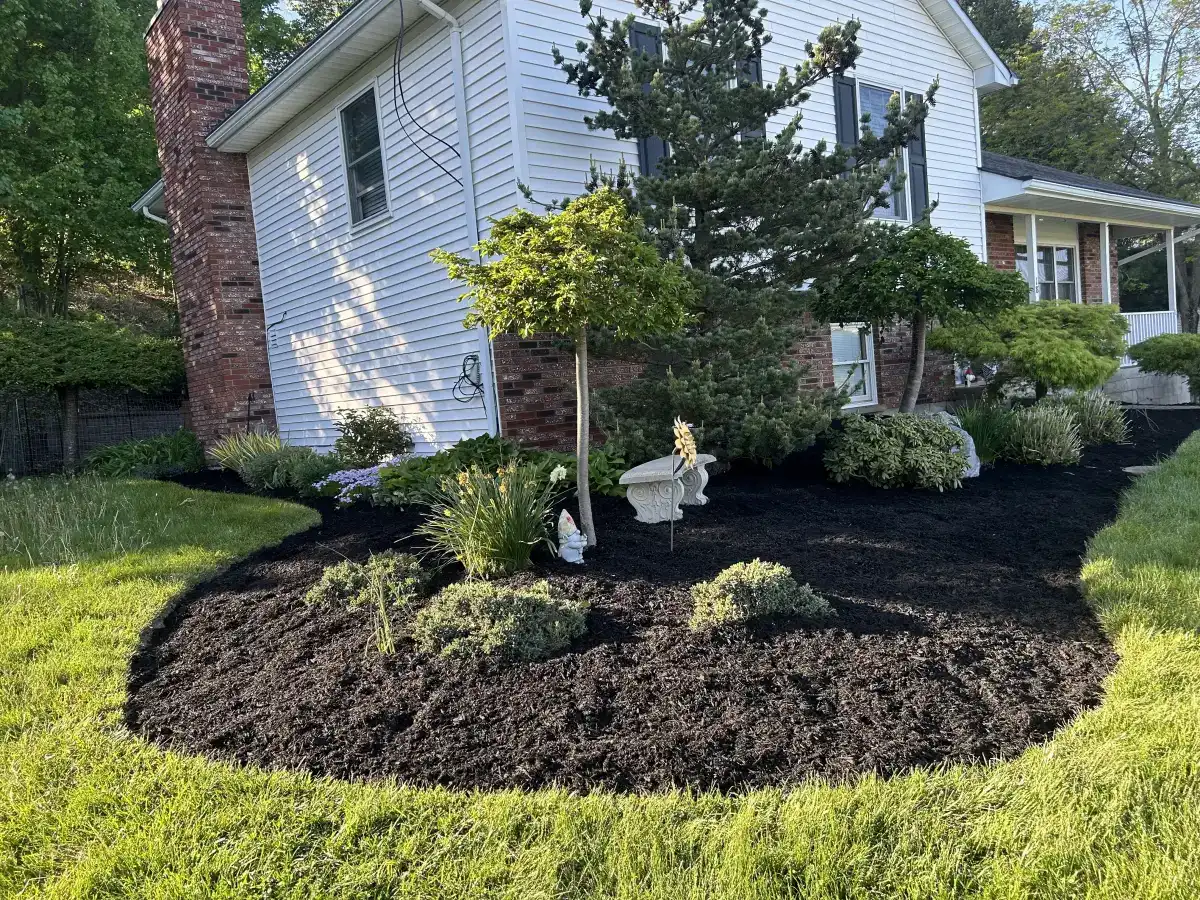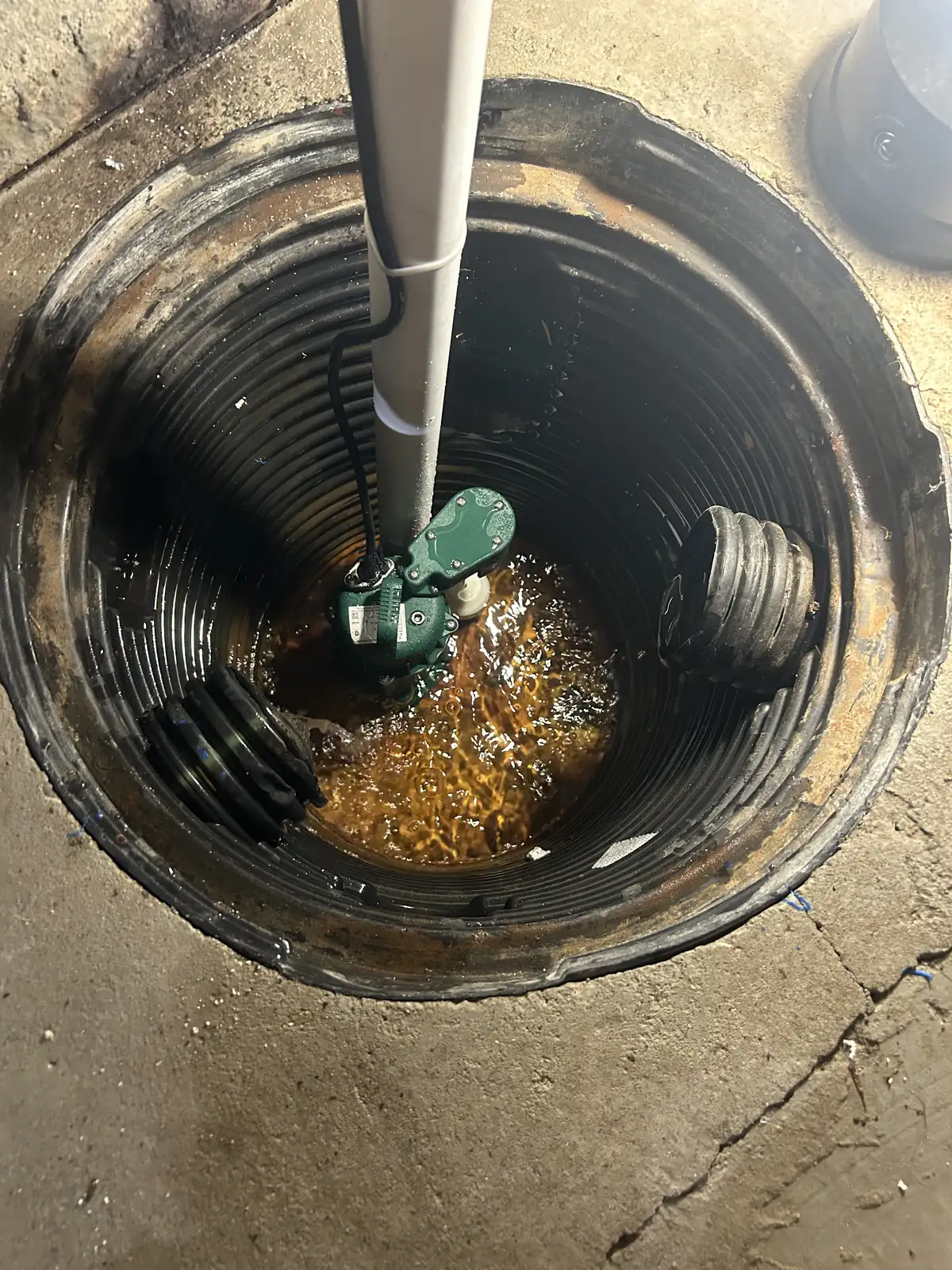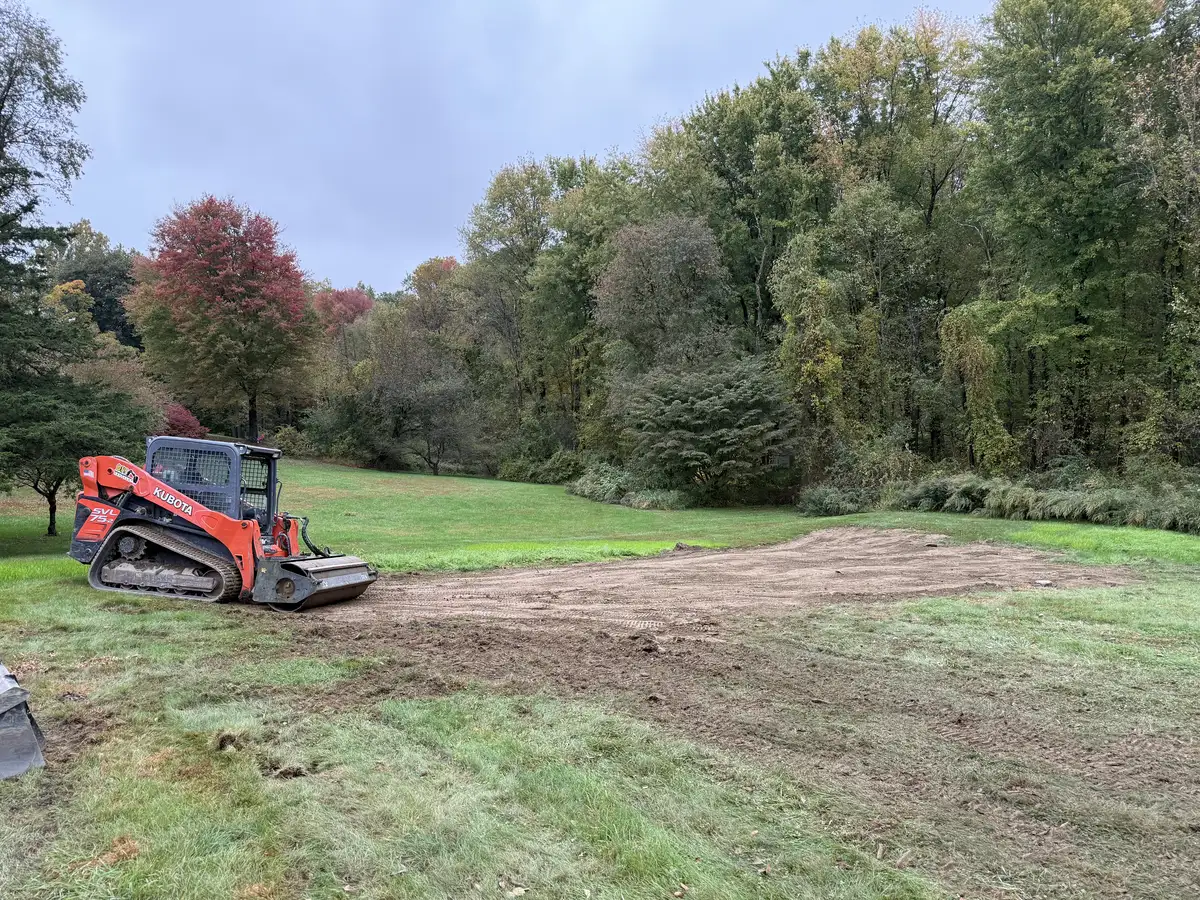
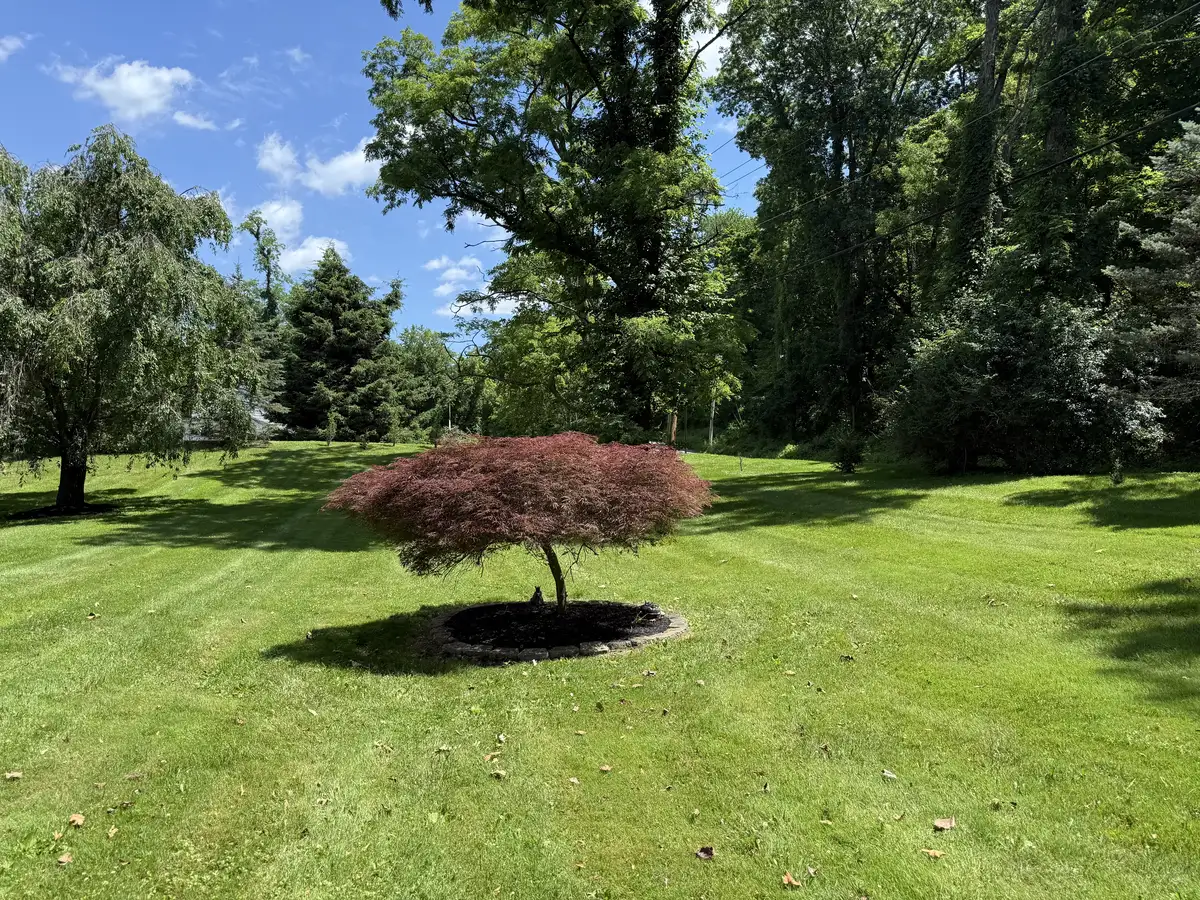
Booking a landscaper is easier when the first conversation is about the result you need, not only the material you want installed. A request for mulch may really begin with beds that wash out during heavy rain. A request for seed may involve a low area that stays wet. A plan for shrubs may need to account for shade, mature size, and a future walkway. Those details can change the right scope, the order of work, and the estimate.
All American Lawn & Landscape is based in Hopewell Junction and works on landscaping along with drainage, grading, excavation, hardscaping, and lawn care across Dutchess County. Homeowners comparing landscapers in Hopewell Junction can use the questions below to identify whether two proposals actually cover the same work.
1. What Result Is This Landscaping Work Meant to Deliver?
Start by naming the problem and the desired result. “Refresh the front beds” is more useful when it also explains whether the goal is stronger curb appeal, less weeding, easier maintenance, better screening, or a cleaner transition to the lawn and entry walk. “Repair the backyard lawn” should identify where turf is thin, muddy, shaded, compacted, or worn by traffic.
Ask the landscaper to restate the goal before recommending work. That simple step helps separate a one-time cosmetic improvement from a project that also needs soil preparation, drainage correction, grading, removal, or restoration. It also gives you a clear standard for reviewing the written proposal.
2. Is This a One-Time Project or Ongoing Maintenance?
A landscape project has a defined completion point. It may include bed preparation, pruning, plantings, mulch or stone, lawn repair, cleanup, or restoration after site work. Ongoing lawn care follows a recurring task list and schedule. If you need both, ask for the project work and maintenance work to be described separately.
For recurring service, confirm which areas are included, what happens during a normal visit, how seasonal tasks are handled, and how extra work is approved. For project work, confirm what the property should look like when the crew is finished. A maintenance rate and a project estimate answer different questions and should not be compared as if they are interchangeable.
3. Which Property Conditions Could Change the Plan?
Drainage, grade, sunlight, soil condition, mature roots, septic components, underground lines, and equipment access can all affect landscaping work. Point out where water collects, mulch moves, turf thins, or soil erodes. Share photos taken during heavy rain or spring snowmelt when the issue is not visible during the estimate.
The New York State Department of Environmental Conservation explains that stormwater is rain or melting snow that does not soak into the ground and instead flows over roofs, pavement, bare soil, and sloped lawns. If runoff is involved, ask whether drainage work or grading should come before mulch, seed, or plantings. Fixing the visible finish without reviewing water movement can leave the original problem in place.
4. What Is Included, Excluded, and Assumed in the Estimate?
A written scope should identify the work area and the tasks involved. Depending on the project, that may include removal, bed preparation, soil, edging, plantings, mulch or stone, seed, hauling, disposal, cleanup, and restoration of disturbed lawn. It should also explain whether material delivery, equipment, and protection of nearby features are included.
Ask about exclusions and assumptions. Hidden roots or stone, wet ground, limited machine access, buried private utilities, extra disposal, or a change in material quantity may affect the work. A clear proposal explains how those conditions will be handled instead of leaving every detail to a conversation after the job has started.
5. Is an Hourly Rate Enough to Compare Landscapers?
No single hourly figure tells you the total value of a proposal. It may refer to one worker or a crew. Equipment may be included or billed separately. Materials, delivery, hauling, disposal, and cleanup may sit outside the quoted rate. The number of hours also depends on access, preparation, and the exact finish being delivered.
Compare a complete scope against a complete estimated cost. If work is billed by time, ask what the rate covers, how equipment and materials are treated, and how you will be informed if the expected hours change. For recurring maintenance, compare the task list and visit pattern as carefully as the price.
6. What Is Most Likely to Drive the Project Cost?
The most expensive part of landscaping is not the same on every property. The main cost may be plant or hardscape materials, labor, removal and hauling, site preparation, drainage, grade correction, equipment access, or restoration after heavier work. On a tight side yard, access can matter more than it would on an open lawn. On a wet slope, preparation can matter more than the finish material.
Ask the landscaper to identify the two or three factors doing the most to shape the estimate. Then ask whether changing the project boundary, material, sequence, or phase would meaningfully change the cost without leaving the underlying problem unresolved.
7. What Materials Are Being Proposed, and What Care Will They Need?
Material names should be specific enough for you to understand what is being installed and where. For plantings, discuss sunlight, available space, moisture, and expected mature size. For mulch or decorative stone, discuss bed preparation, depth, edging, and how the material meets lawn, pavement, and drainage paths. For lawn repair, ask about soil preparation, seed or installation method, watering, and the conditions needed before normal use resumes.
Aftercare belongs in the booking conversation. Ask what watering or maintenance is needed during establishment, which tasks the homeowner is responsible for, and what signs should prompt a follow-up. A finished installation still depends on appropriate care after the crew leaves.
8. How Will Access, Protection, Cleanup, and Project Sequence Be Handled?
Ask where equipment and materials will enter, where deliveries will be staged, and what existing features sit along that path. Gates, fences, walkways, irrigation, septic components, invisible fencing, mature plantings, and soft lawn areas may all need to be identified before work begins.
Sequence matters when the property needs more than surface landscaping. Drainage, trenching, clearing, retaining walls, major grade correction, or a new patio may need to happen before final beds and lawn repair. If future work is likely, mention it now so completed landscaping does not have to be disturbed later.
9. How Are Schedule Changes and Added Work Approved?
Outdoor work can be affected by rain, wet soil, material availability, site discoveries, and connected work by other trades. Ask what needs to be ready before the start date, how schedule updates are communicated, and whether weather-sensitive tasks may move.
Also ask how changes are documented. If the project expands after hidden conditions are uncovered or the homeowner requests additional work, the revised scope and price should be clear before that work proceeds. This protects both the property plan and the budget.
What to Have Ready for the Site Visit
- Problems to solve: wet areas, erosion, thin turf, overgrown beds, difficult mowing, unsafe transitions, or another condition affecting use.
- Improvements you want: curb appeal, lower maintenance, planting color, screening, cleaner beds, or more usable lawn.
- Future plans: drainage, a walkway, patio, fence, driveway, retaining wall, or other work that could change access and elevations.
- Site information: photos after rain, known utilities, septic areas, irrigation, invisible fencing, gates, and material access limits.
All American serves Hopewell Junction and other communities throughout Dutchess County. To discuss landscaping, site conditions, and connected outdoor work, call (845) 372-7768 or request an estimate through the contact page.
Questions About Booking a Landscaper in Hopewell Junction
Ask what problem the proposed work solves, what is included and excluded, whether drainage or grading affects the plan, how access and cleanup are handled, what maintenance will be required, and how changes are approved.
No. An hourly rate may apply to one worker or a crew and may or may not include equipment, delivery, hauling, disposal, materials, or cleanup. Compare the complete written scope and total estimated cost.
Cost drivers can include materials, labor, removal and hauling, site preparation, grading, drainage, equipment access, hidden roots or stone, and restoration of lawn or other disturbed areas.
They should be reviewed first when the area has standing water, erosion, washed mulch, thin turf, or runoff from roofs, pavement, bare soil, or sloped lawn. Correcting the underlying water or grade issue can help protect the finished landscaping.
List the problems you need fixed, the improvements you want, and future projects that could affect the same area. Share photos of wet or seasonal trouble spots and identify known utilities, septic components, irrigation, fencing, and access limits.