(845) 372-7768
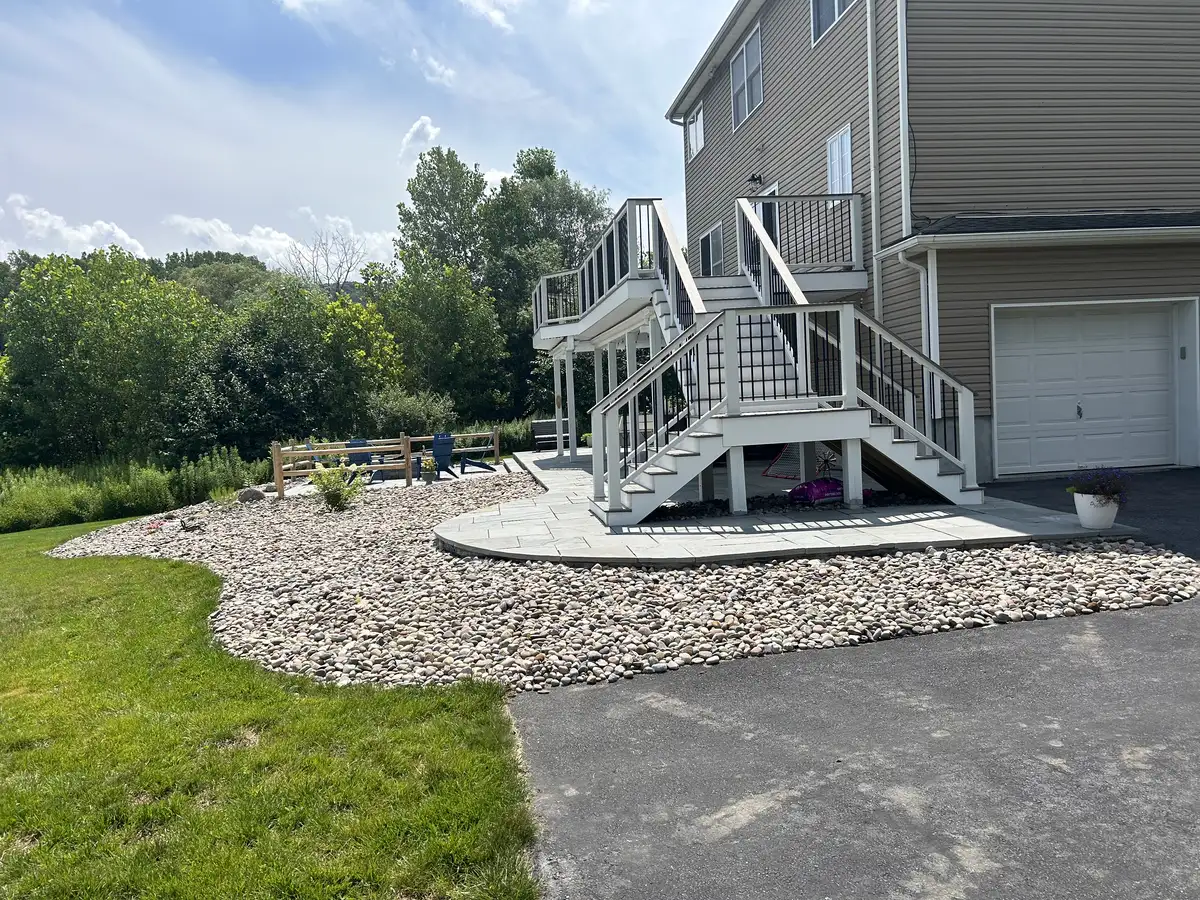
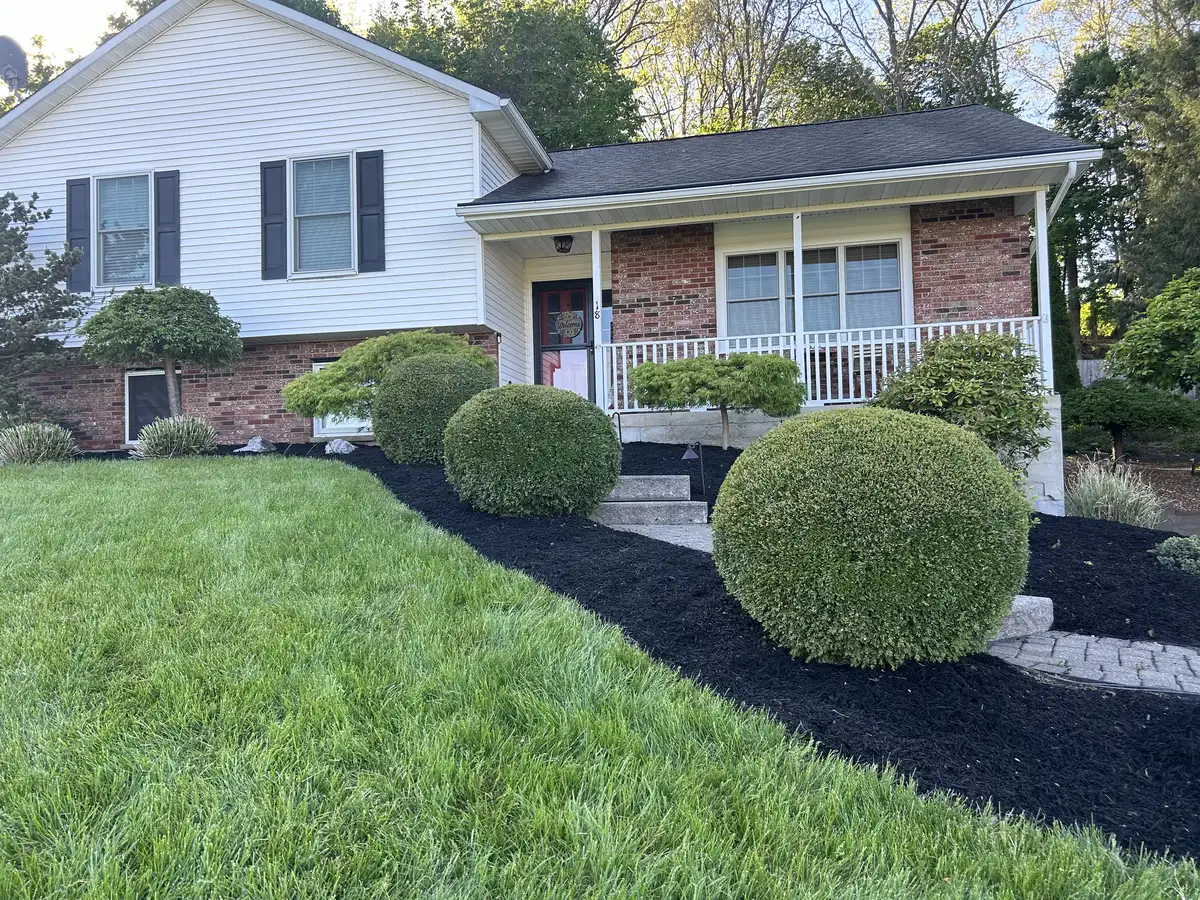
Landscaped residential property with maintained lawn, shrubs, and defined planting beds

7 Questions Hopewell Junction Homeowners Should Ask a Landscaper

Ask these seven questions to compare the actual work behind each proposal—and choose a plan that fits your property, priorities, and maintenance expectations.

Booking a landscaper starts with a deceptively broad word: landscaping. One homeowner may mean recurring mowing and bed upkeep. Another may need new plantings, lawn repair, grading, drainage work, or a full outdoor improvement completed in phases. Before comparing prices, make sure every contractor is responding to the same goal.

That matters in Hopewell Junction because a finished lawn or planting bed is only one part of the property. Slopes, wet areas, established trees, access routes, hardscape edges, and future projects can all influence the work. All American Lawn & Landscape provides landscaping services in Dutchess County and is based in Hopewell Junction. The questions below will help you prepare for a useful site visit and a clear proposal.

1. Is This a One-Time Landscaping Project or Ongoing Maintenance?

Begin by separating construction-style improvements from recurring care. A one-time project might refresh planting beds, install shrubs, repair lawn areas, add mulch or decorative stone, or reshape a section of the yard. Ongoing lawn care generally covers repeat tasks such as mowing, trimming, cleanup, seeding, or seasonal turf attention.

If you need both, ask for the responsibilities to be described separately. Which result marks the one-time project as complete? Which tasks repeat, how often are they reviewed, and what changes with the season? This prevents a proposal for routine maintenance from being compared with a proposal that also includes restoration, material installation, or site correction.

2. What Should the Landscaper Inspect During the Site Visit?

A useful site visit should cover more than the area you want to look better. Show the landscaper where water collects, where the lawn thins out, which plants or features must stay, and how equipment or bulk materials could reach the work zone. Point out septic-related areas, private lines, irrigation, invisible fencing, drainage lines, or other known underground features.

Ask how the current grade, runoff, sun and shade, foot traffic, and nearby structures may affect the plan. A bed refresh will not correct water that repeatedly crosses the area. New seed may struggle if the underlying problem is compaction, drainage, shade, or traffic. If standing water or runoff is part of the concern, discuss whether a connected drainage solution should be considered before finish landscaping.

3. What Exactly Will the Written Proposal Include?

Ask for a proposal that describes the work in terms you can see and verify. It should identify the work areas, preparation, removals, materials or plant selections where applicable, installation, disposal, cleanup, exclusions, and the expected finished condition. For planting beds, confirm bed limits and whether edging, weed preparation, existing material, and watering guidance are included. For lawn repair, clarify soil preparation, seed or sod, and the treatment of disturbed areas.

If a proposal uses allowances or leaves a selection open, ask what is included in that amount and how a change will be approved. Also clarify who handles utility marking, permits, or approvals when they apply to the scope. A detailed proposal does not eliminate every possible change, but it gives both homeowner and contractor the same starting point.

4. How Will Timing and Project Sequence Affect the Result?

The right schedule depends on the work, weather, material availability, site access, and aftercare requirements. Ask for a realistic start window rather than treating one tentative date as a guarantee. Find out what conditions could pause the work and how schedule changes will be communicated.

Sequence is especially important when several improvements are planned. Drainage, demolition, excavation, major grading, and base preparation generally need to be coordinated before delicate planting, lawn repair, or final mulch. If a future patio, walkway, fence, or retaining wall is already on your list, mention it during the first visit. The current landscaping plan should not block access or establish elevations that conflict with the next phase.

5. What Is Driving the Price—and How Should Proposals Be Compared?

Homeowners often ask for an average hourly landscaping rate or whether a particular hourly number is too high. Without context, an hourly rate does not show whether it covers one person or a crew, what equipment is included, or whether hauling, disposal, delivery, and materials are separate. It also does not account for how access and preparation affect the time required.

Compare total estimates for the same scope. Look at preparation, material quantities or allowances, crew and equipment assumptions, delivery, removal and hauling, cleanup, payment timing, and exclusions. Ask how concealed conditions and homeowner-requested changes will be documented. If the full wish list exceeds the current budget, request a logical sequence of phases instead of removing preparation that later work depends on.

6. How Will the Property Be Used and Protected During the Work?

Confirm the equipment route, material staging area, and parts of the property that need protection. Narrow gates, soft ground, overhead branches, long carries, finished walkways, and occupied outdoor areas can affect the plan. Ask what the homeowner should move before work begins and whether access will be limited during any part of the project.

Cleanup should be just as specific. Will removed soil, plants, stone, or packaging leave the property? Will disturbed access areas be raked, seeded, or otherwise restored if that work is included? When you understand the work zone as well as the finished area, there are fewer surprises about how the property will function during the project.

7. What Maintenance or Aftercare Starts When the Job Ends?

New seed, sod, shrubs, perennials, and transplanted plants do not share one care schedule. Ask what watering, mowing, traffic limits, monitoring, or seasonal follow-up the homeowner is expected to handle. If recurring maintenance is proposed, confirm the tasks, visit pattern, seasonal changes, and how additional work is approved.

Also ask whether any follow-up, plant replacement term, or workmanship coverage is included in writing. Do not assume a warranty or maintenance visit is part of the job unless the proposal says so. Clear aftercare responsibilities protect the work and help the homeowner recognize a developing issue early.

A Short Checklist for Comparing Hopewell Junction Landscapers

Before you book, make sure you can answer each of these questions from the proposal and conversation:

  • Are all contractors pricing the same property goal and work areas?
  • Have grade, drainage, access, and known underground features been discussed?
  • Are material selections, allowances, and change approvals clear?
  • Does the project sequence account for future hardscaping, fencing, or drainage work?
  • Do you know what care begins after installation and who is responsible for it?

Review All American’s landscaper services and the Hopewell Junction service area, then request your free estimate or call Evan at (845) 372-7768 to discuss your property.

Booking a Landscaper in Hopewell Junction

Start with a site visit and compare written proposals for the same result. Review preparation, materials, drainage or grading needs, access, cleanup, schedule, exclusions, and aftercare instead of choosing from a short description or hourly figure alone.

There is no single hourly rate that describes every project. Crew size, equipment, access, preparation, materials, hauling, and cleanup can all change the cost. A total estimate tied to a written scope is more useful for comparison.

An hourly number alone does not show value because it may represent one worker or a crew and may or may not include equipment, disposal, travel, or materials. Compare the full scope, expected result, exclusions, and total estimated cost.

The right interval depends on the property, plants, turf, season, and work included. Ask which tasks are recurring, which are seasonal, and which conditions should trigger an extra visit or homeowner follow-up.

Lawn care generally focuses on turf tasks such as mowing, trimming, cleanup, seeding, or new lawn care. Landscaping can also include planting beds, shrubs, mulch or decorative stone, grading, drainage coordination, and larger property improvements.

Plan the Landscaping Around the Whole Property

Finished landscaping with lawn and defined planting beds

Landscaping

Explore planting beds, mulch and stone, lawn improvements, and property-wide landscape planning.

Explore landscaping services →
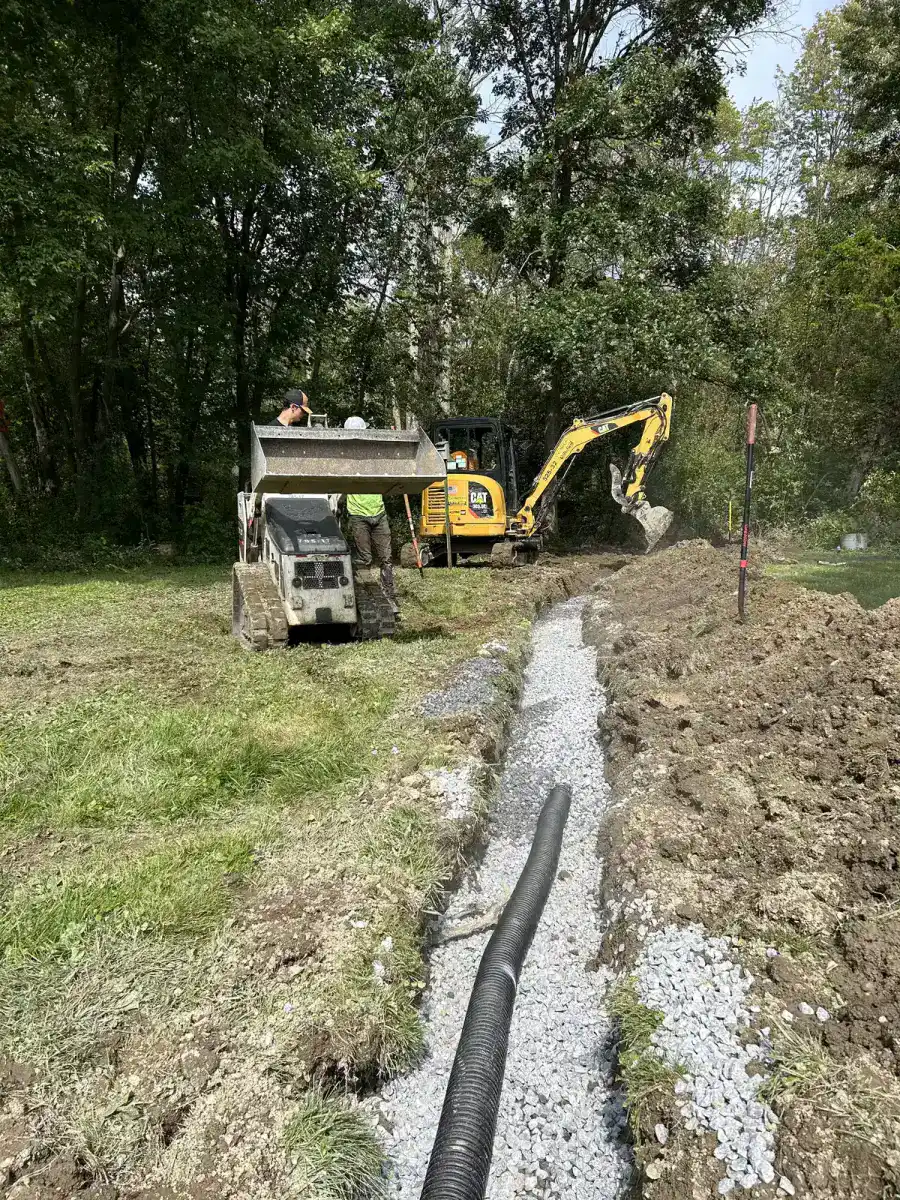
Residential drainage installation before finish landscaping

Drainage Solutions

Review drainage paths, wet areas, and grade concerns before new lawn or planting finishes cover the site.

Explore drainage solutions →
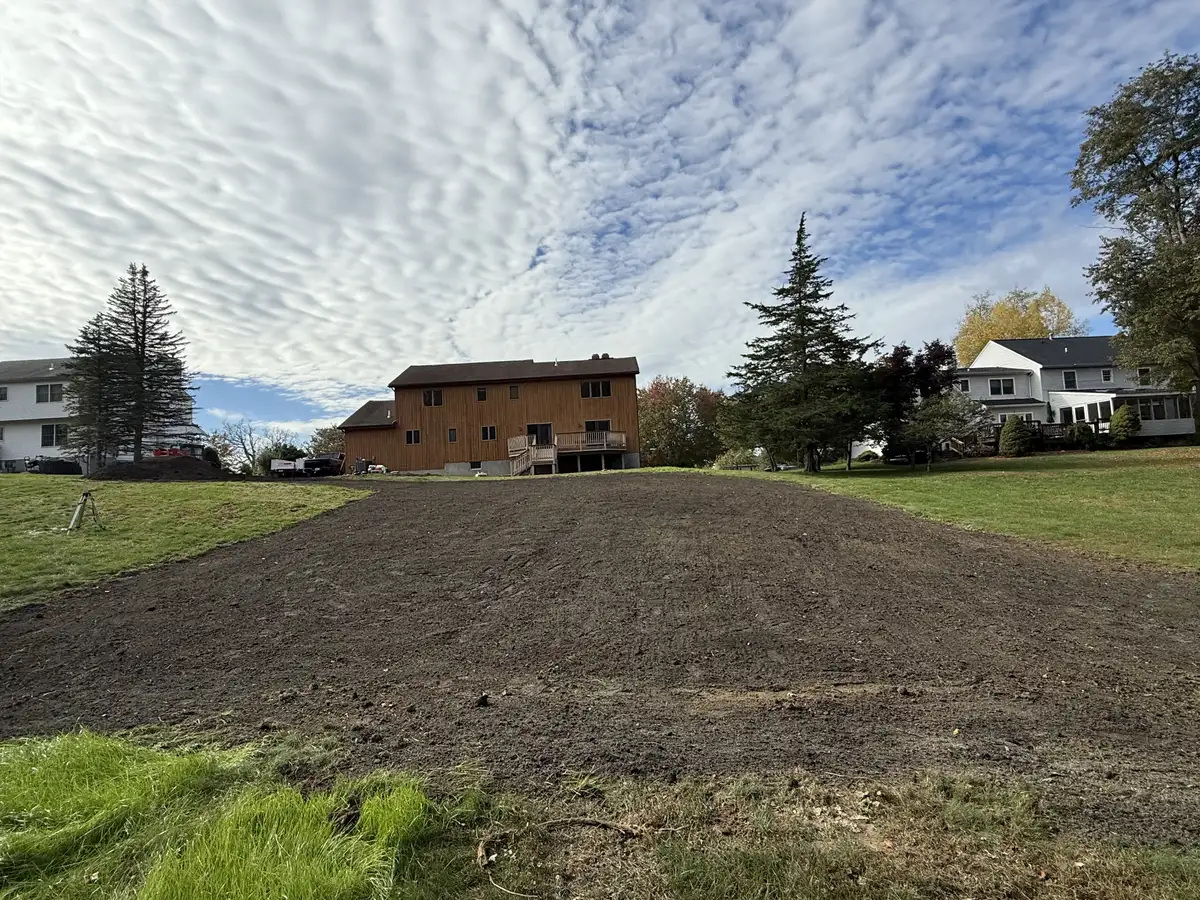
Residential lawn installation and landscape restoration

Hopewell Junction

See landscaping, lawn care, grading, hardscaping, drainage, and related property services available locally.

View Hopewell Junction services →

Discuss Your Hopewell Junction Landscaping Project

Tell All American what you want to improve, where the property is not working now, and which future projects should be considered in the plan.