“Landscaping” can mean anything from refreshing a planting bed to repairing a lawn, changing a grade, correcting drainage, or coordinating several improvements across the property. That range is why Hopewell Junction homeowners should define the outcome before comparing landscapers. Two estimates can sound similar while including very different preparation, materials, cleanup, and aftercare.
All American Lawn & Landscape provides landscaping services from Hopewell Junction throughout Dutchess County. Use these questions to turn an open-ended idea into a scope you can review and discuss with a contractor.
Do I Need Landscaping or Ongoing Lawn Care?
Start by naming the result you want. Lawn care generally covers recurring or seasonal turf work such as mowing, trimming, cleanup, seeding, or new-lawn attention. Landscaping is broader: planting beds, shrubs, mulch or decorative stone, lawn installation or repair, grading, drainage coordination, and property-wide improvements can all fall under that heading.
The categories can overlap, but the proposal should not. Tell the landscaper whether you want ongoing maintenance, a one-time reset, or a construction-style improvement with a defined completion point. If a tired lawn is actually suffering from runoff, poor pitch, shade, or repeated traffic, surface treatment alone may not solve the underlying issue.
What Exactly Will Be Included in the Written Scope?
Ask the landscaper to walk the property and describe the work in visible, checkable terms. Which beds, lawn areas, trees, slopes, edges, or access routes are included? What stays, what is removed, and what is installed? A useful estimate identifies preparation, material type and quantity where practical, disposal, finish work, cleanup, exclusions, and the process for approving changes.
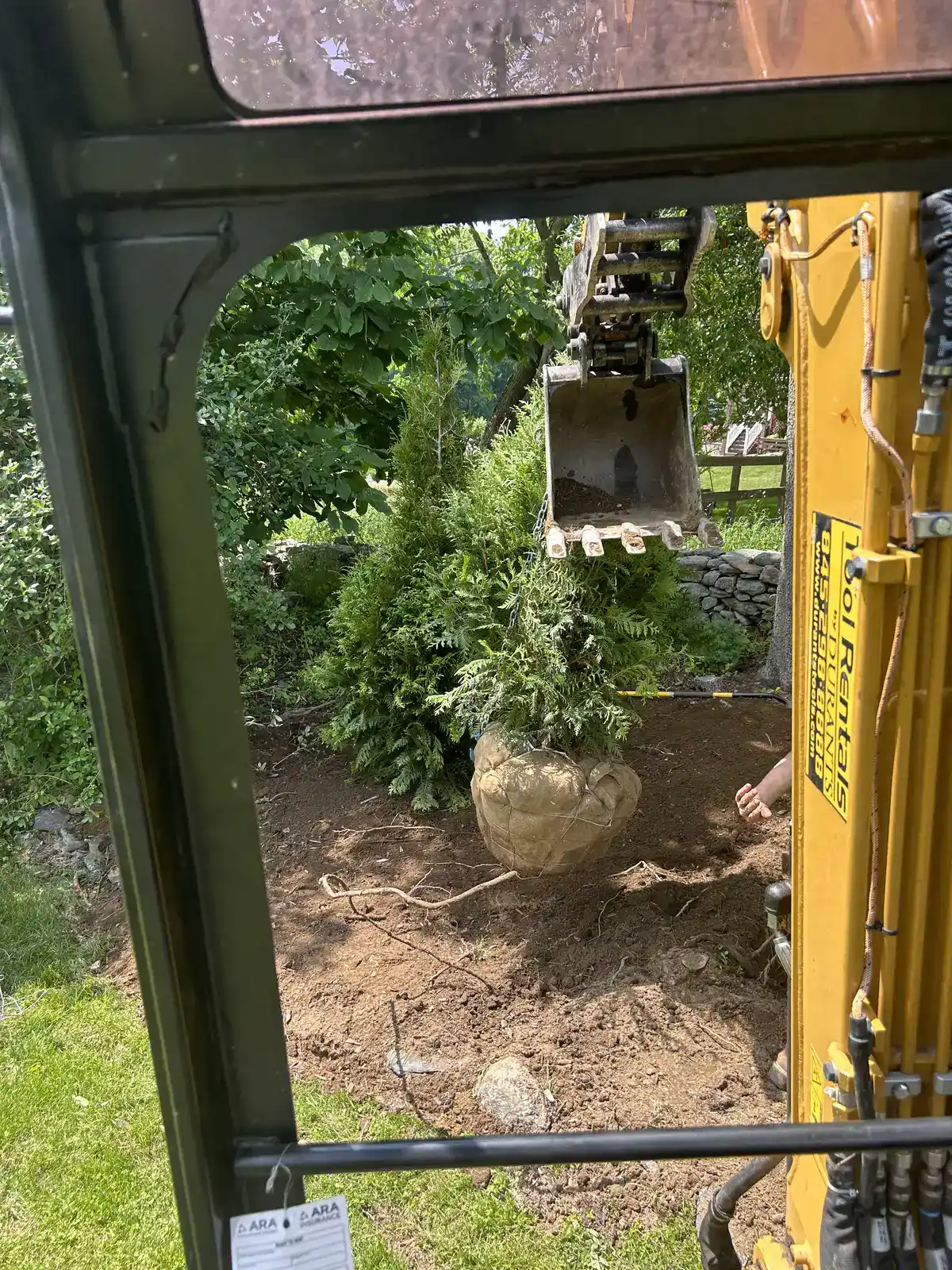
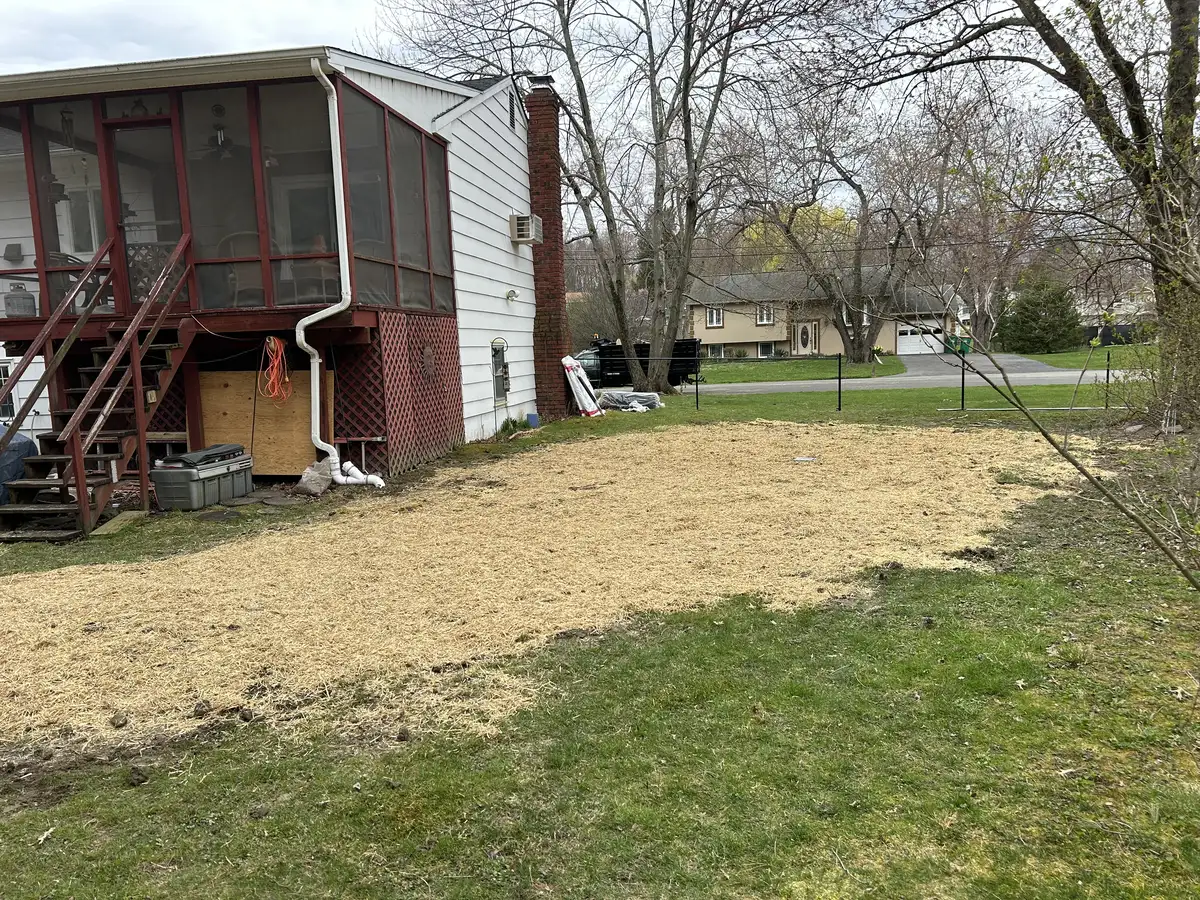
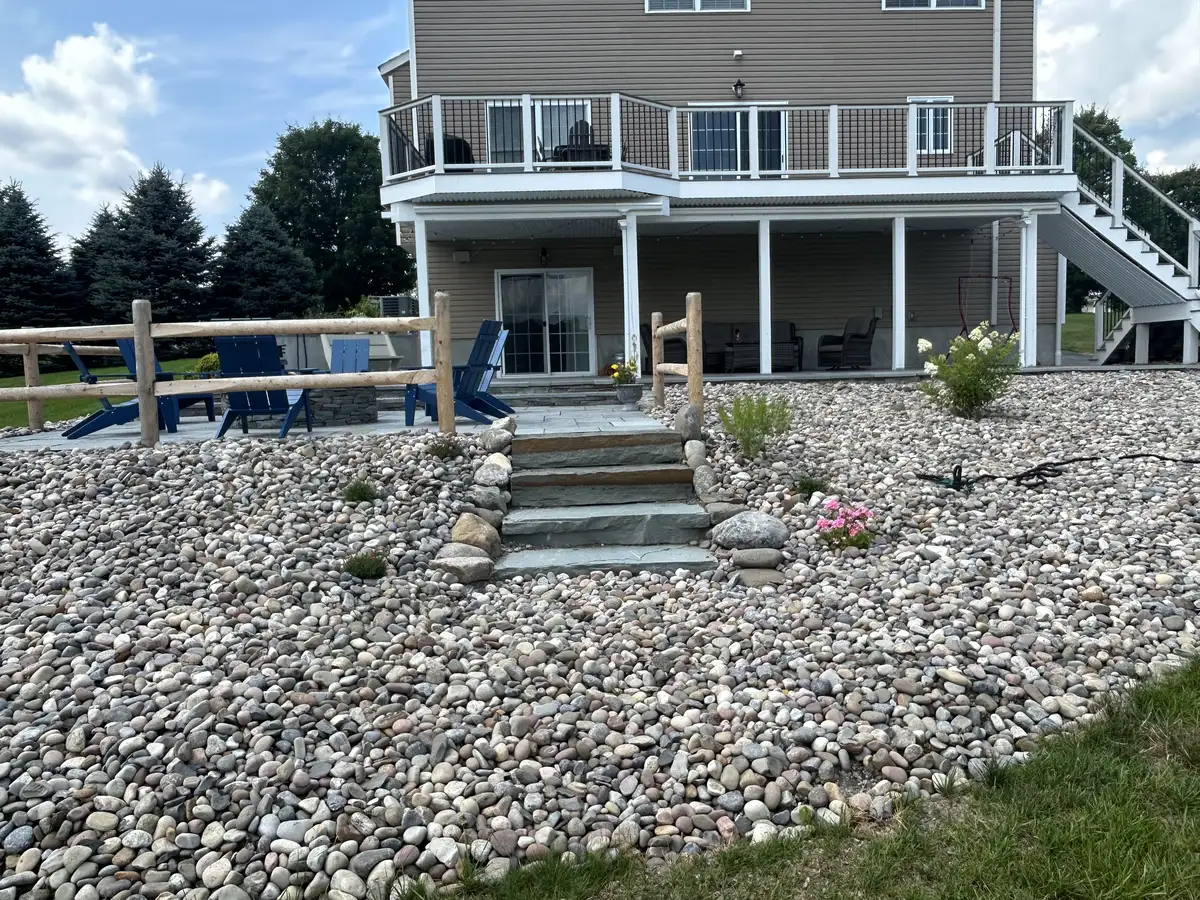
For planting work, discuss the intended mature size and conditions of the space—not just how the plants look on installation day. For lawn repair, clarify whether the scope includes correcting low spots, adding soil, seed or sod, and initial watering guidance. For mulch or stone, identify bed limits, edging, existing material, and weed preparation. Specific decisions make it possible to compare proposals for the same result.
How Should I Compare Hourly Rates and Total Cost?
Searchers often ask for the average hourly cost of a landscaper or whether $100 per hour is too much. Those numbers are not useful until you know what the “hour” includes. One figure may cover a crew and equipment; another may describe one worker before disposal, materials, travel, or machine time. Different access conditions and equipment choices can also change the number of hours required.
Compare the total estimate against a matching scope. Look for site preparation, crew and equipment assumptions, material allowances, delivery, hauling, cleanup, taxes or fees if applicable, payment timing, and exclusions. Ask how hidden conditions or owner-requested changes will be priced and approved. The goal is to understand what you will receive for the total—not to choose a rate that leaves major parts of the project unclear.
What Is Likely to Drive the Budget?
There is no universal “most expensive part” of landscaping. On one property it may be plant or hardscape materials; on another it may be access, removal and hauling, grading, drainage, base preparation, or labor. A small area that requires hand work behind a narrow gate can be more involved than a larger open area. A low spot that holds water may need a different plan than simply adding topsoil and seed.
Ask the landscaper to separate major phases when practical. Site preparation, drainage or grade correction, planting and finish materials, lawn restoration, and cleanup can then be discussed as real choices. If the whole wish list does not fit the current budget, a sensible sequence is more valuable than cutting preparation that later work depends on.
How Do Grade, Drainage, and Access Affect the Plan?
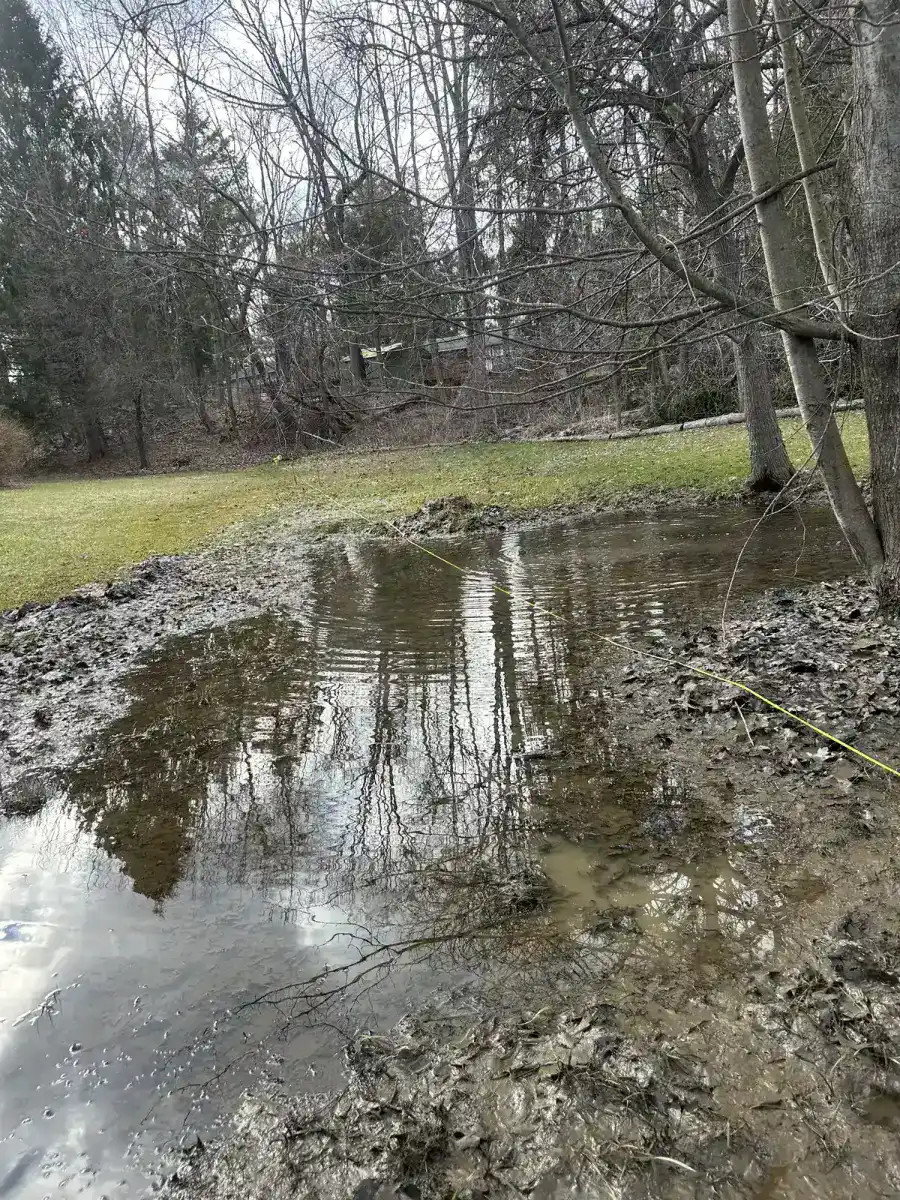
Hopewell Junction properties can present slopes, wooded edges, established lawns, long driveways, tight side yards, and areas that stay wet after rain. Those conditions should be reviewed before materials arrive. Ask where water moves now, whether the proposed work changes that path, and whether the finished grade will direct runoff toward or away from important areas.
Also confirm how crews, equipment, soil, plants, and bulk material will reach the work zone. Gate widths, overhead branches, septic-related areas, private lines, finished walkways, and soft ground can all affect staging and protection. If water is part of the problem, discuss a connected drainage solution before installing a new lawn or planting bed over it.
What Should Happen Before Work Starts?
Confirm the project boundaries, material selections, access route, staging area, start-window assumptions, and anything the homeowner must move or mark. Share what you know about private utilities, irrigation, septic components, invisible fencing, drainage lines, and recent underground work. Ask who is responsible for any required utility marking, permits, or approvals that apply to the scope.
For multi-part projects, settle the sequence. Drainage, demolition, excavation, and major grading usually need to be coordinated before delicate planting, lawn repair, or finish work. If a patio, walkway, fence, or retaining wall is planned later, tell the landscaper now so access and final elevations do not work against the next phase.
What Cleanup and Aftercare Are Included?
Ask what “finished” means. Will removed material leave the property? Are disturbed access areas repaired? Who handles final raking, seed, mulch, or debris? If plantings or a new lawn need watering, mowing, or other early care, request clear instructions and confirm which tasks belong to the homeowner.
Aftercare should match the material and season. New seed, sod, shrubs, and transplanted plants do not share one maintenance schedule. Ask when the new area can be walked on, mowed, or used normally; what early signs deserve attention; and whether a follow-up described in the proposal is included. Avoid assuming a maintenance or warranty term that is not written into the scope.
Bring the Property Goal to the Site Visit
Before meeting a landscaper, write down your top priorities, problem areas after rain, must-keep features, preferred maintenance level, and any future patio, walkway, fence, or drainage plans. Photos of wet conditions or seasonal trouble spots can add useful context when the issue is not visible that day.
Review the landscapers service page and the Hopewell Junction service area page for related property work. To discuss your own site, call (845) 372-7768 or request a free estimate through the contact page.
Landscaper Questions in Hopewell Junction
There is no single hourly rate that describes every project. Crew size, equipment, access, preparation, materials, hauling, drainage, cleanup, and aftercare all affect cost. Compare written estimates for the same scope and finished result.
An hourly number alone cannot answer that question. It may or may not include a crew, equipment, fuel, travel, disposal, or materials. Compare what is included, the expected result, exclusions, and total estimated cost before judging one rate.
It depends on the property and plan. Site preparation, access, grading, drainage, removal and hauling, hardscape base work, materials, and labor can each drive the budget. Ask for major phases to be identified in the scope.
Yes. Lawn care generally focuses on recurring mowing, trimming, cleanup, seeding, or turf maintenance. Landscaping can include planting beds, shrubs, mulch or stone, lawn installation or repair, grading, drainage coordination, and broader property improvements.